
Antioxidant Supplements: What Fitness Experts Recommend for Recovery
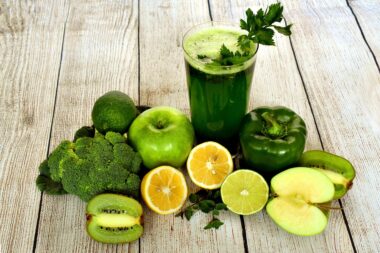
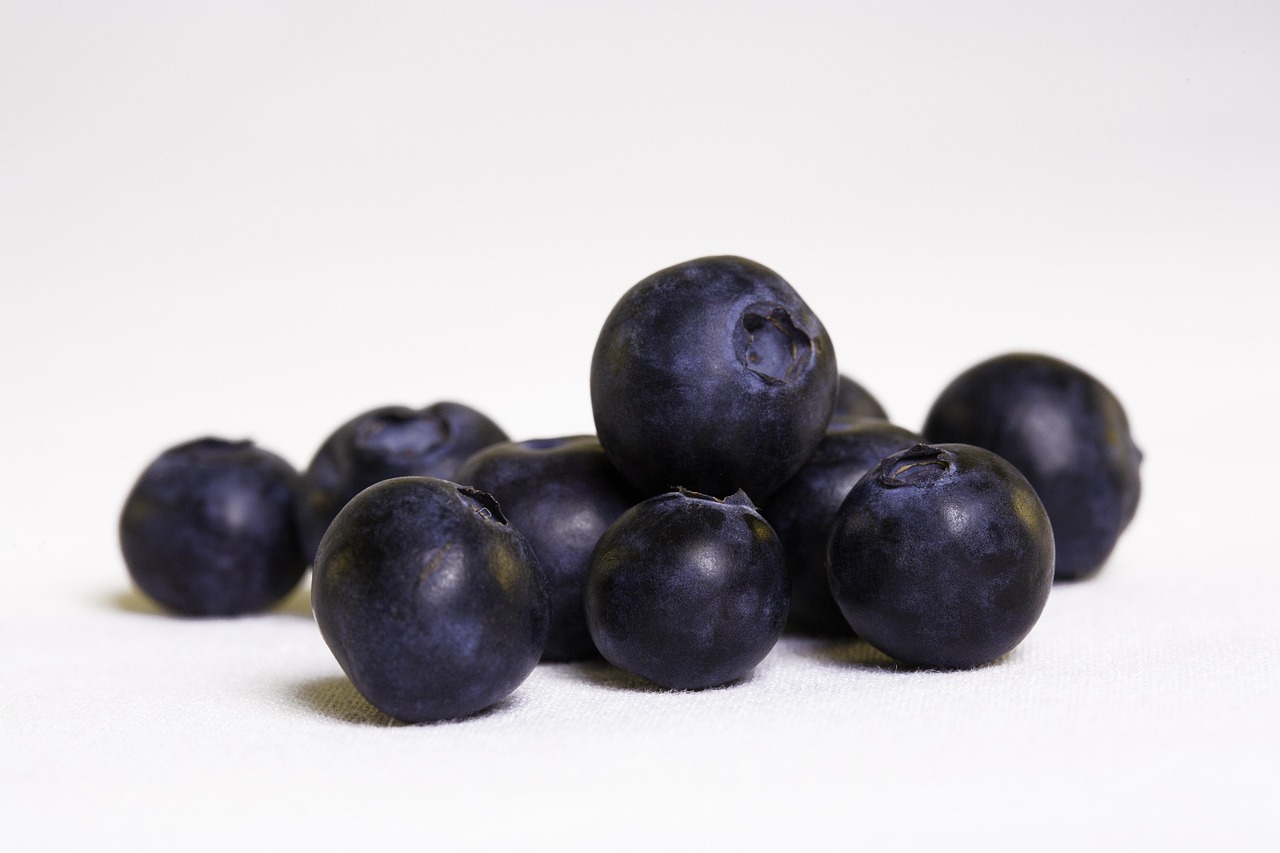
Post-workout nutrition is vital for optimizing recovery. One important aspect is the inclusion of antioxidants in your diet. Antioxidants help neutralize free radicals produced during intense exercise. Such free radicals can lead to muscle damage and fatigue, inhibiting recovery. Integrating antioxidant-rich foods and supplements can enhance recovery outcomes. Common antioxidant-rich foods include berries, green leafy vegetables, and nuts. These foods offer vitamins like A, C, and E, along with phytochemicals that play a role in reducing oxidative stress. On the other hand, not all antioxidant supplements offer the same benefits. Some may even interfere with the body’s adaptations to exercise. Consulting a registered dietitian or a healthcare professional can help tailor specific antioxidant supplements to individual needs. Glutathione, vitamin C, and curcumin are frequently recommended for their potent antioxidant properties. Regular intake can mitigate inflammation and accelerate muscle recovery. Ultimately, choosing the right antioxidant approach can make a significant difference in your overall fitness journey. Remember, balance is key in any post-workout recovery strategy.
Antioxidants are crucial not just for muscle recovery but also for overall health. They assist in combating oxidative stress which can impair performance and recovery. After intense workouts, it’s essential that the body restores its balance. Research suggests that antioxidants may play a significant role in this process. High-level athletes often benefit from supplements as they have more oxidative stress compared to recreational exercisers. Some fitness experts suggest that a daily blend of various antioxidants could be more effective than higher doses of a single type. This balanced approach helps the body cope with diverse sources of oxidative damage. Consuming antioxidants through whole foods is often the preferred method, as they deliver additional nutrients and fiber. However, supplementation is necessary when dietary sources are insufficient. It’s important to match the supplement type and dosage to the individual’s intensity and recovery requirement. Additionally, timing your antioxidant intake post-exercise might amplify the benefits. Some studies indicate that consuming them within a few hours after working out enhances their efficacy. Overall, proper antioxidant intake can be transformative, ensuring quicker recovery and better performance.
Choosing the Right Antioxidant Supplements
Choosing the appropriate antioxidant supplement involves careful consideration of several factors. It’s important to identify specific recovery goals and the type of exercise performed. Different activities create varying levels of oxidative damage; for example, endurance athletes may require different nutrients compared to strength trainers. Assessing personal dietary habits is also crucial. Inspecting one’s diet can highlight potential gaps where supplements might fit in. For instance, athletes consuming low fruit and vegetable intake may benefit more from an antioxidant supplement. Additionally, quality matters in supplementation. Selecting high-quality brands with third-party testing ensures product efficacy and safety. Not all supplements are nutritionally dense or bioavailable, which means they might not provide the desired recovery benefits. Furthermore, not all antioxidants are created equal. For example, some natural substances like resveratrol and quercetin have demonstrated superior effectiveness in recovery. It’s usually advisable to choose supplements that are derived from whole food sources. This often provides a broader spectrum of beneficial compounds for recovery. As always, consulting a healthcare professional helps tailor the right approach according to individual health profiles.
Moreover, it’s essential to understand the possible side effects of certain antioxidant supplements. While they can offer recovery benefits, excessive intake can result in adverse reactions. Some antioxidants, when taken in high doses, may lead to negative health consequences. Therefore, adhering to recommended dosages is crucial. Nutritionists often emphasize the importance of a holistic recovery strategy, which includes not just antioxidants but also adequate hydration, protein intake, and overall balanced nutrition. Each of these components contributes significantly to recovery. Hydration, for example, plays a vital role in maintaining cellular function and nutrient transport during recovery phases. Protein is essential for repairing muscle tissue, which undergoes stress during workouts. Furthermore, incorporating a regular exercise routine with periods of rest boosts antioxidant levels naturally, allowing the body to recover efficiently. Striking the right balance between rest and activity fosters better recovery outcomes and performance improvements. Keep in mind that individual responses to both nutrition and exercise can vary. Monitoring recovery indicators can help fine-tune dietary strategies over time, ensuring optimal performance enhancement throughout athletic endeavors.
The Role of Diet in Antioxidant Utilization
Diet plays a significant role in how well the body utilizes antioxidants. The interplay between macronutrients and micronutrients determines overall health and performance. Antioxidant efficacy can be significantly enhanced when consumed alongside balanced meals, ideally those rich in fiber and healthy fats. Pairing antioxidants with foods containing healthy fats, such as avocados or olive oil, can improve their absorption. Furthermore, a diverse diet ensures a wide array of antioxidants which work synergistically in the body. It’s advisable to include various sources of antioxidants in your meals, including fruits, vegetables, nuts, and whole grains. Vitamin C-rich foods, such as oranges, enhance the effectiveness of vitamin E, found in nuts and seeds. The synergistic effect is critical for optimizing exercise recovery. Additionally, consider the timing of meals: consuming antioxidant-rich foods before and after workouts can maximize their benefits during recovery periods. On the topic of supplementation, taking antioxidants with meals rather than on an empty stomach enhances utilization. Important nutrients work better together, and establishing this holistic view on nutrition can bring forth significant benefits during recovery phases.
Fitness enthusiasts must also be cautious about misleading marketing regarding antioxidant supplements. The wellness industry often promotes various products that suggest extraordinary results without substantial scientific backing. Understanding what you are consuming is key to achieving desired recovery outcomes. Always seek evidence-based recommendations from qualified professionals before adding new supplements to your routine. Research studies consistently evaluate many popular antioxidants to assess their recovery benefits. For instance, studies have shown that antioxidants like vitamin C and E may reduce muscle soreness after resistance training. However, the results vary based on individual responses and the sources of these nutrients. Therefore, being critical of unverified claims is essential when exploring options in the marketplace. Consulting with healthcare providers can provide tailored insights into navigating the health supplement landscape. Fitness professionals often recommend sticking to a balanced diet and supplementing only when necessary. This approach not only optimizes recovery but also promotes long-lasting health benefits. Proceeding with an informed mindset ensures that your post-workout nutrition aligns with your overall fitness goals.
The Future of Antioxidants and Recovery
The ongoing research surrounding antioxidants continues to evolve, impacting our understanding of recovery strategies. Emerging studies are exploring new antioxidant compounds and their potential roles in athletic recovery. Innovations in nutraceuticals, the blend of nutrition and pharmaceuticals, indicate a promising future in supplement development. Scientists are focused on how synergistic effects between various antioxidants can lead to enhanced recovery outcomes. For instance, combining adaptogens with antioxidants for holistic recovery is gaining attention in recent studies. Adaptogens, such as ashwagandha and rhodiola, may boost resilience to stress, amplifying the effects of antioxidants. Moreover, personalized nutrition is expected to become a vital trend in optimizing recovery. Tailoring antioxidant supplementation to individual needs and specific exercise regimens may yield more effective outcomes. Advanced technologies such as genetic testing can also guide these personalized approaches. It’s an exciting time for sports nutrition and recovery strategies, where ongoing research continually refines our understanding. As new findings emerge, they may redefine our perspective on the essential components of post-workout nutrition. Thus, keeping abreast of scientific advancements is crucial for maximizing performance.
In conclusion, antioxidants serve a critical function in post-workout recovery, offering substantial benefits for fitness enthusiasts. They mitigate oxidative stress and accelerate muscle recovery, allowing athletes to enhance performance. Selecting the right antioxidant sources is fundamental to achieving these benefits effectively. Whole food sources should be prioritized, supplemented only as needed, and in conjunction with a varied and balanced diet. Monitoring individual nutrition and recovery needs can yield significant insights into optimizing exercise routines. Moreover, focusing on quality antioxidant supplements can help ensure efficacy. Consulting with healthcare professionals is advisable for tailored nutritional strategies. Emphasis on a holistic approach, integrating hydration, protein, and balanced nutrition is essential for post-workout recovery. As research progresses, remaining informed about new developments in antioxidant science will be advantageous. Understanding the significance of timing, quality, and variety in antioxidant intake will drive improved recovery and performance outcomes. Ultimately, the integration of these principles can facilitate continuous improvement in athletic endeavors. For those serious about fitness, prioritizing post-workout nutrition, including antioxidants, should be a key component of any training regimen.