
Common Pilates Mistakes That Weaken Core Training
Many Pilates enthusiasts overlook the importance of proper alignment during their core training. Correct alignment helps ensure that the core muscles are effectively engaged. A common mistake is arching the back excessively. Instead, focus on maintaining a neutral spine. This engages the entire core instead of just certain muscles. Another error is forgetting to activate the pelvic floor. Engaging this area is crucial for core strength. Without it, the effectiveness of your workout decreases significantly. Practicing controlled breathing is another critical aspect often disregarded. Proper breath control enables deeper muscle engagement. During exercises, exhale as you exert force and inhale during transitions, enhancing your core connection. Positioning your feet incorrectly is another common issue. Ensure your feet are hip-width apart and pointed straight ahead to maximize effectiveness. Remember to avoid holding tension in your neck and shoulders. This mistake can lead to poor form and reduced engagement of core muscles. Practice mindfulness and keep your focus on your core. By correcting these common mistakes, you can significantly improve your Pilates practice and achieve better core strength results. Ensure you are always conscious of your body position.
Another mistake often made in Pilates is rushing through the exercises without focusing on form. A hasty practice leads to disengaged muscles and ineffective workouts. Take your time to ensure that each movement is executed with precision. Slow, deliberate movements allow for better muscle recruitment and effectiveness. Failing to modify exercises according to your fitness level is common. It’s essential to listen to your body. If an exercise is too challenging, don’t hesitate to adapt it or seek guidance. Modifications can prevent injuries and enhance your form. Moreover, neglecting the importance of engaging your entire body is detrimental to core development. Core strength comes from integration with other muscle groups. Use your arms and legs actively to support your core work. Forgetting to visualize muscle engagement can also hinder progress. Incorporate mental imagery in your practice, focusing on the muscles you are working. Use cues such as “pulling the belly button in”. Another common oversight is not seeking feedback. A knowledgeable instructor can provide valuable insights. They can help identify and correct your form, ensuring an effective workout. Cultivating awareness is key to improving your overall Pilates technique. Stay focused on your form.
Ignoring Core Stability
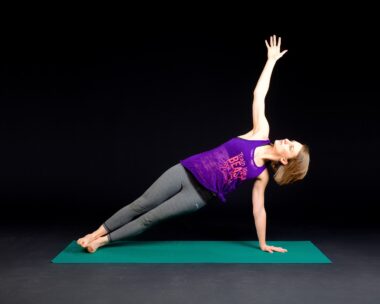
Many individuals mistakenly assume that core strength and core stability are the same concepts. Core strength refers to the ability of the core muscles to exert force. In contrast, core stability involves maintaining an upright position while resisting external forces. It’s essential to incorporate exercises targeting both aspects. Many Pilates practitioners focus solely on strength, neglecting stability training. This oversight can lead to imbalanced muscle development. Include exercises like planks to work on stability effectively. Another frequent error is not using the correct resistance during training. Always ensure that the resistance is appropriate for your skill level. Too much resistance can overwhelm your muscles, leading to poor form. Conversely, too little resistance results in minimal challenge, hindering progress. Ensuring proper engagement of your transverse abdominis is vital for effective core workouts. Many people fail to activate this deep core muscle. Allow yourself to familiarize your body with this engagement for better training outcomes. Attempt bridging exercises, focusing on squeezing the core while lifting the hips. Remember, every movement counts, so avoid neglecting the basics. Understanding this differentiation will drastically elevate the quality of your workouts and overall fitness.
Pilates equipment misuse is another prevalent mistake that can significantly weaken core training. Learning to use Pilates apparatus like the reformer properly will enhance your workout. Be cautious and ensure you understand how the equipment works. Improper usage can lead to injuries and ineffective workouts. Additionally, not maintaining a consistent practice schedule is detrimental to achieving core strength. Regular training is essential for muscular adaptation and improvement. Set achievable goals and establish a routine to stay consistent. Don’t underestimate the significance of rest and recovery. Overworking your muscles can lead to fatigue and reduced performance. Ensure you’re incorporating recovery days into your weekly training. Failing to track your progress is another error. Keep a fitness journal or app to monitor your improvements. This will motivate you to stay committed and allow you to adjust your workouts as necessary. Ignoring the importance of hydration can also hinder your performance. Remember that staying hydrated supports muscle function. Drink water before, during, and after your workout to maintain optimal performance. By addressing these common pitfalls, you can create a stronger foundation for your core strength training. Focus on gradual enhancement in every session.
The Role of Proper Instruction
Seeking out a qualified Pilates instructor can have a transformative impact on your core strength training routine. A knowledgeable instructor offers personalized guidance that ensures you’re executing each movement correctly. They can provide tailored exercises that address your unique needs and goals effectively. Many students neglect the benefit of professional support and miss out on valuable tips. Communication with your instructor is essential to maximize your experience. They can guide you through modifications, helping you find the most effective variations for your abilities. Moreover, participating in classes allows you to gain different perspectives on the exercises. Practicing alongside others can motivate you to push boundaries and consider new approaches. Failing to ask questions can lead to misunderstandings about technique. Never hesitate to seek clarification on any aspect of your practice. Understanding the “why” behind each exercise can enhance your participation and engagement during sessions. Another error is overlooking the value of feedback. Always welcome constructive criticism, as it helps you refine your technique. Make a mental note of specific corrections after each class. In summary, investing in proper instruction significantly improves your Pilates practice and overall core strength outcomes.
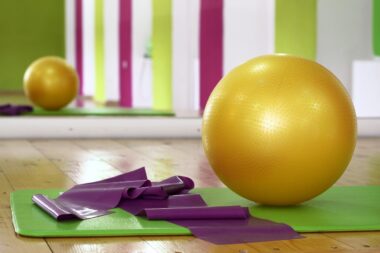
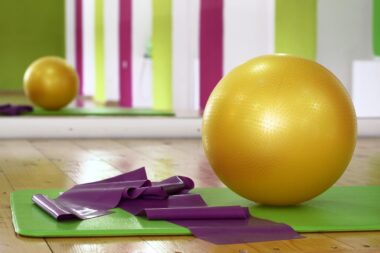
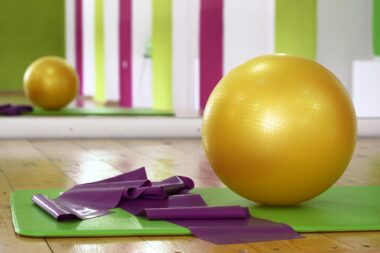
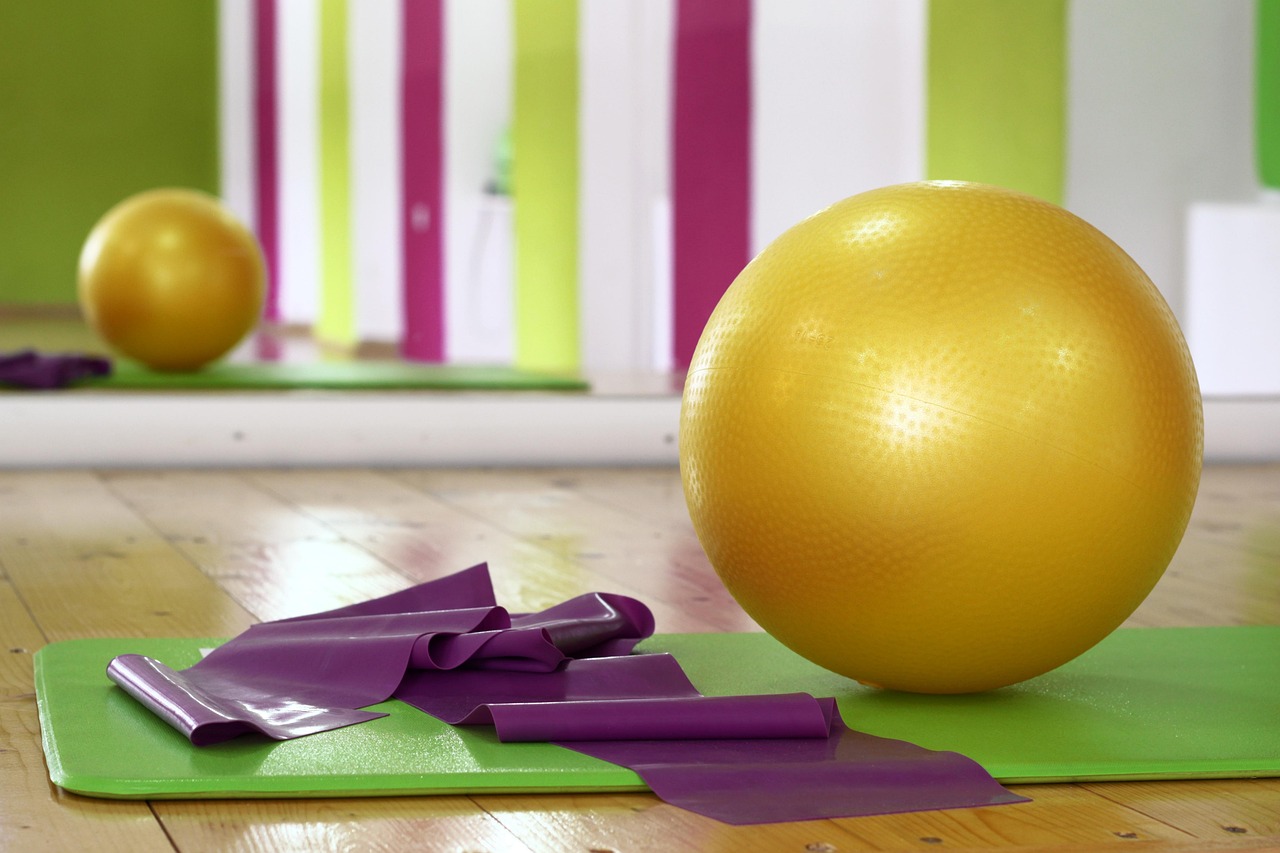
Additionally, neglecting cross-training can limit your core strength development during Pilates. Engaging in various physical activities enhances overall body awareness and promotes balanced muscle development. Include a mix of strength, flexibility, and cardio workouts in your regimen. Activities such as yoga and weight training complement Pilates by addressing muscle groups in different ways. Many people make the error of not focusing on breath awareness, crucial for optimal engagement during Pilates. Breath control enables deeper core activation and connection. Pay attention to your breath as you perform each movement. Involve your breath fully to generate core stability throughout your exercises. Another mistake is failing to use props adequately, which can enhance your training. Props such as blocks, resistance bands, and balls add variety to your workouts and challenge your core in new ways. Experiment with different props to find what works best for you. It’s essential to prioritize quality over quantity in your practice. Aim for fewer repetitions but with proper form, leading to better results. Addressing the above mistakes can significantly enhance your overall Pilates journey and help you achieve your core strength goals effectively.
Conclusion and Best Practices
By understanding and addressing these common Pilates mistakes, practitioners can significantly improve their core strength training. Awareness is key to recognizing flaws in form and technique. Establish a mindset of continuous learning and adaptation in your practice. Consistency plays a vital role as well. Regular practice allows for better integration of proper alignment, technique, and coordination. Set aside time each week to engage in Pilates, gradually increasing complexity as you improve. Challenge yourself but also honor your body’s limits to prevent injury. Record your progress and celebrate small victories to keep motivation high. Establish achievable goals and adjust them as you train over time. Engage actively during sessions, focusing on your breath and muscle activation. Always communicate with your instructor for personalized guidance and constructive feedback. Cross-training can enhance your performance and bring more balance to your fitness journey. Together, these strategies will yield significant improvements in your Pilates practice and core strength development. Remember that Pilates is a personal journey and learning process. Stay open to corrections, and enjoy the path to greater core stability and strength.