
Wearable Fitness Tech and Cognitive Health in Aging Populations
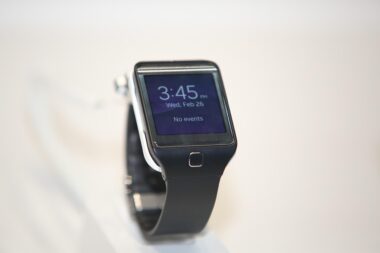
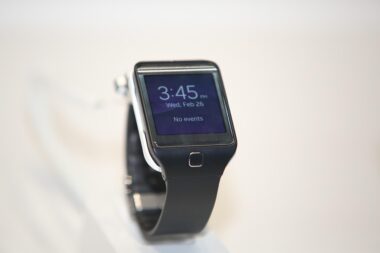
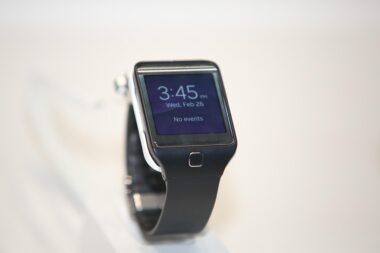
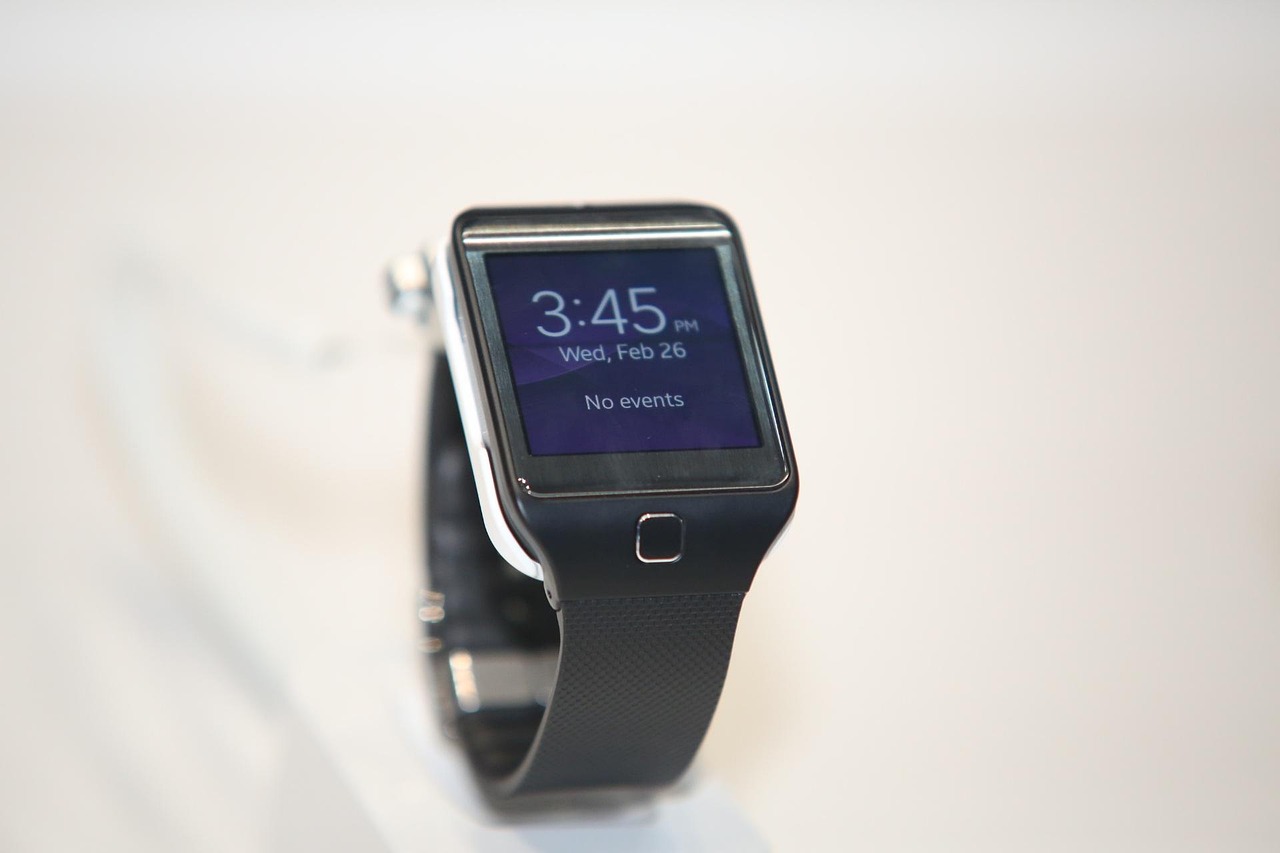
Wearable fitness technology is revolutionizing the lives of seniors, promoting not only physical health but also cognitive well-being. These devices, such as smartwatches and fitness trackers, monitor various health metrics, including heart rate, steps taken, and sleep quality. By tracking this information, seniors can identify health trends and make informed decisions about their lifestyle choices. Additionally, these devices often feature reminders for medication and hydration, fostering adherence to health regimens. The seamless integration of technology into daily activities eases the burden of healthcare management for both seniors and caregivers, allowing for personalized health interventions. With the rise of telehealth services, wearable tech can transmit vital information directly to healthcare providers, prompting early interventions when necessary. Moreover, the motivational aspects of fitness trackers can encourage seniors to engage in regular physical activity, a critical component of maintaining cognitive health. Regular exercise not only improves cardiovascular health but also enhances memory and cognition. Overall, the positive impacts of wearable fitness technology extend beyond monitoring; they empower seniors to lead healthier and active lives while supporting cognitive functions essential for daily living.
The benefits of wearable fitness technology extend significantly into cognitive health with various features tailored for senior users. Many devices provide reminders and prompts for activities, encouraging engagement in both physical and mental exercises. Such features stimulate cognitive functions through gamified applications that challenge the brain, keeping seniors mentally active and engaged. Studies indicate that regular interaction with cognitive tasks can reduce the risk of cognitive decline and diseases such as dementia and Alzheimer’s. Furthermore, these wearables often feature community or social networking options, promoting interaction with family and friends. Social engagement is vital for mental well-being, as loneliness and isolation can negatively impact overall health. Wearable technology encourages participation in group challenges and fitness competitions, creating camaraderie among users. Additionally, seniors can access guided workouts that integrate cognitive exercises, offering a holistic approach to fitness. For those with mobility issues, wearables can suggest alternative exercises suitable for their capabilities, ensuring inclusivity. Overall, the versatility of these devices promotes a better quality of life by combining physical health and cognitive stimulation in aging populations.
Another significant advantage of wearable fitness technology is its ability to provide data-driven insights into seniors’ health and well-being. Many devices automatically collect information regarding daily activities and health metrics, which can be analyzed to identify trends and areas for improvement. By harnessing this data, seniors can tailor their fitness routines to better suit their individual needs. For example, wearables may reveal patterns in sleep quality, prompting discussions with healthcare providers regarding potential interventions for sleep-related issues. Moreover, features like heart rate monitoring and step counting can motivate seniors to achieve daily fitness goals, offering positive reinforcement as they progress. The ability to share this data with family members and health professionals creates a robust support system while empowering seniors to take control of their health. With the shift towards preventive healthcare, wearable technology aligns consumers and providers regarding health management. It facilitates proactive engagement, allowing seniors to be partners in their healthcare journey. This fundamental shift in care models emphasizes personal responsibility and enables a healthier aging experience for individuals.
Fitness Trends and Cognitive Benefits
Engaging with fitness trends through technology provides significant cognitive benefits for older adults. Activities such as walking, strength training, and yoga are enhanced with wearable devices that provide feedback and encourage consistency. Many seniors lack motivation and guidance when aiming to stay physically active. Wearables can bridge this gap by offering personalized recommendations based on the user’s health profile. For example, step challenges encourage users to meet specific step counts, supporting cardiovascular health while enhancing cognitive processing through physical activity. Moreover, engaging in regular physical fitness has been linked to improved memory, executive function, and overall cognitive resilience. Participating in community fitness events facilitated by apps can foster social connections, decreasing feelings of loneliness. As seniors participate in activities, the wearables frequently provide success metrics, providing a sense of achievement and improving mental health. This combination of structured exercise and social engagement addresses both physical and mental health concerns, thereby leading to improved cognitive function. Ultimately, the integration of these fitness trends through wearable tech fosters a holistic approach to healthy aging.
Seniors often face unique challenges related to mobility and health, and wearable fitness technology addresses many of these concerns. Devices can incorporate features such as fall detection and emergency alerts, ensuring enhanced safety for users. For seniors living independently, this functionality provides peace of mind for them and their families. Furthermore, the monitoring of vital signs facilitates timely medical interventions, contributing to better health outcomes. Wearable devices also often come equipped with apps that guide seniors through tailored fitness programs, designed to improve balance, strength, and flexibility—all crucial for preventing falls and maintaining independence. As seniors progress, these wearables can adapt their recommendations based on user feedback and performance, ensuring accordingly personalized support. The ongoing assessment provided by these technologies empowers seniors to maintain an active lifestyle despite physical limitations. Moreover, the data collected can be shared with caregivers and healthcare professionals, enhancing communication regarding health trends and progress. This integration of safety features and personalized health plans maximizes the utility of wearable fitness technology, catering to the evolving needs of the aging population.
Social Interaction and Mental Wellness
The impact of social interaction on mental wellness cannot be overstated, and wearable fitness technology plays an essential role in fostering these connections among seniors. Many devices allow users to connect with friends and family, creating accountability and shared experiences in health journeys. Engaging in fitness challenges together not only encourages physical activity but also strengthens emotional bonds, combating feelings of loneliness and isolation often experienced by older adults. Regular communication within these networks promotes mental wellness, reducing the risk of depression and anxiety. Moreover, by participating in community events or fitness groups through online platforms, seniors can expand their social networks, gaining new friendships while committing to healthier lifestyles. Additionally, the gamification of fitness activities—the inclusion of badges, rewards, and leaderboards—fuels competition and motivation, giving seniors incentives to improve their fitness level. This added layer of enjoyment makes physical activity more appealing. Therefore, the social features embedded in wearable fitness technology significantly enhance cognitive health, promoting community and interaction, and ultimately supporting a vibrant and healthy aging journey.
To ensure that wearable fitness technology remains beneficial, it is crucial that manufacturers prioritize usability for older adults. Many seniors may be intimidated by technology, making intuitive design essential. User interfaces should be simplified, offering easy access to key functions such as tracking fitness goals, setting reminders, and monitoring health metrics, without overwhelming users with complexity. Additionally, education and support resources need to be accessible to guide seniors in maximizing their devices’ potential. Training sessions and instructional videos can help users become comfortable with navigating wearable features. Manufacturers can also consider developing interfaces with larger text and clear icons—improving accessibility for seniors with vision impairments. Furthermore, incorporating feedback from older adults during the design process can foster interfaces that cater to their specific needs and preferences. As technology constantly evolves, regular updates to software should ensure that wearables remain relevant. Thus, the ongoing commitment to designing user-friendly devices will promote sustained engagement among senior users. Ultimately, making the technology approachable encourages seniors to embrace the benefits of wearable fitness technology in their pursuit of healthier, longer lives.