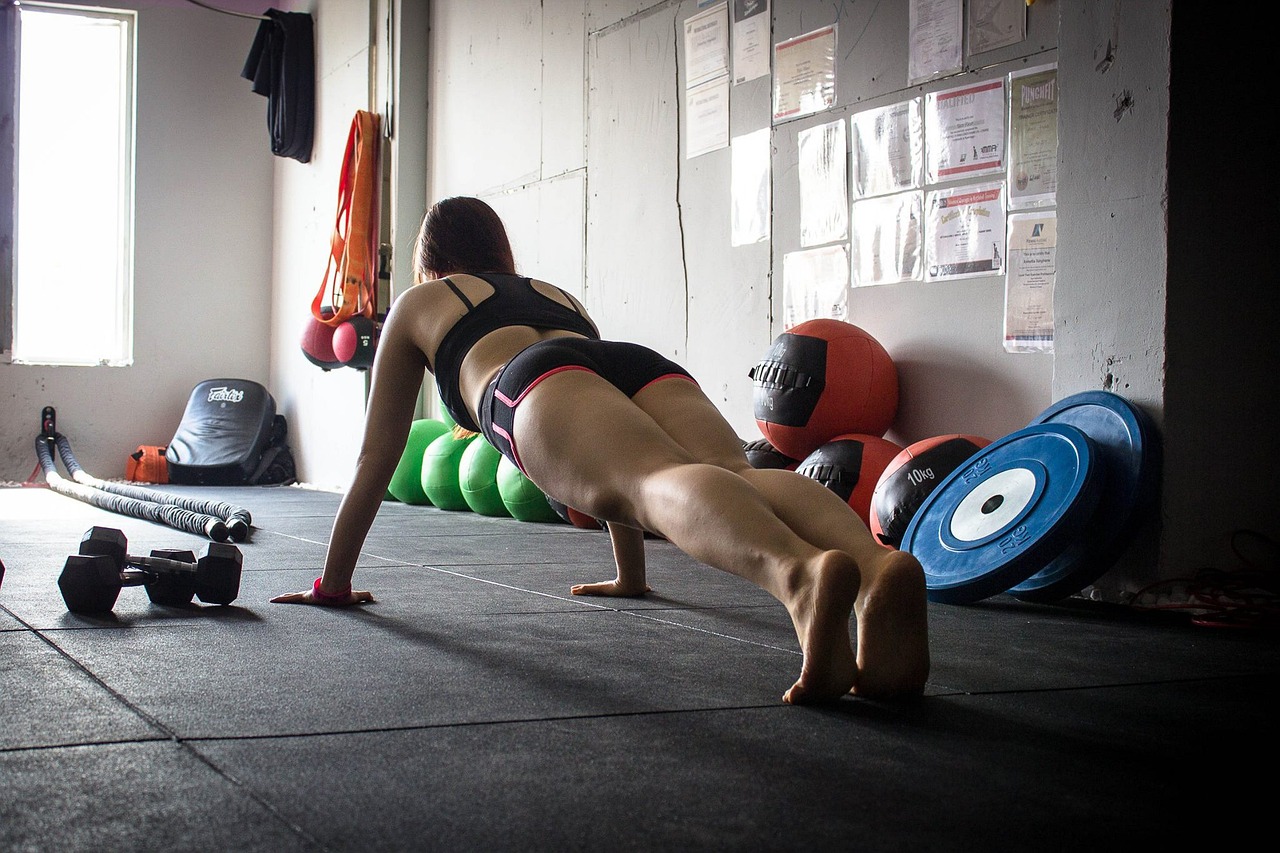

Static Core Strengthening: Essential Exercises for Beginners
Strengthening your core is essential for overall fitness and stability. Static core exercises are excellent for beginners to develop strength without the higher risks associated with dynamic movements. They involve holding a position that engages your core muscles. Exercises like planks, bridges, and wall sits provide a solid foundation for core stability. These exercises allow you to focus on maintaining proper alignment and engaging your abdominal muscles effectively. Starting with static exercises helps to promote awareness of your body and the necessary muscle engagement techniques. Furthermore, static core training increases endurance while reinforcing overall body strength. This is crucial for preventing injuries in more advanced workouts. As beginners, learning to maintain these positions correctly builds the necessary muscle control. Remember to breathe during these exercises; it aids in maintaining focus and core engagement. Start with shorter durations and gradually extend your holding times. Combining breathing techniques with core engagement will yield better results over time. Try to incorporate these exercises into your routine three to four times a week. Your progress will be encouraging as you build strength and improve your form.
Benefits of Static Core Exercises
Static core exercises deliver various benefits that significantly contribute to your fitness journey. One major advantage is the development of foundational strength. This helps stabilize your body, allowing you to perform dynamic activities with greater ease. A strong core supports proper posture which is vital for preventing injuries in daily activities and workouts. Engaging in these exercises improves your balance and stability. Enhanced control over your body will increase your performance in various sports and physical activities. Additionally, static exercises help in muscle endurance, essential for sustaining longer workouts without fatigue. They effectively target deep core muscles, often overlooked in dynamic exercises. Importantly, static core exercises facilitate muscle recovery after intense workouts by preventing excessive strain. They are also adaptable for individuals at different fitness levels, making them accessible for everyone. Even those recovering from injuries can begin with these basics. By incorporating static core strengthening into your routine, you can set the stage for more advanced movements later. Progressively challenging yourself by increasing hold times can aid in muscle growth. Remember to consult with a fitness professional if needed to ensure you’re engaging correctly.
Incorporating static core exercises into your routine can significantly enhance your athletic performance. Activities like running, cycling, and swimming greatly benefit from a strong core. A well-developed core aids in maintaining proper body mechanics during these activities, reducing the risk of injuries and improving efficiency. The stability provided by static core strength enables better control and power transfer from the core to the limbs. For instance, runners with stronger cores tend to have improved posture and reduced energy expenditure, leading to more efficient running mechanics. Static exercises also reduce muscle fatigue by distributing workload evenly across muscle groups, especially in dynamic sports. As part of your training program, focus on maintaining proper form during these exercises. Utilizing equipment like resistance bands or stability balls can further increase the challenge. Also consider varying your routines to avoid adaptation and maintain motivation. Engaging in a diverse set of static core exercises will not only keep your workouts fresh but also enhance the overall results. Remember, consistency is key to developing a strong core. Your athletic prowess relies heavily on your core’s ability to support movement.
Key Static Core Exercises
There are several fundamental static core exercises you can incorporate into your routine. Planks are one of the most effective methods for engaging your entire core. Begin in a push-up position, then lower yourself onto your forearms, holding your body in a straight line. Start with 20-30 seconds, gradually working towards longer holds. Another beneficial exercise is the bridge, which targets your lower back and glutes. Lie on your back with knees bent, lifting your hips toward the ceiling while squeezing your glutes. Wall sits are also excellent for core engagement. Simply lean against a wall with your feet shoulder-width apart and slide down into a sitting position for targeted strength building. Side planks are great for enhancing lateral stability and are performed on your side, balancing your body on one forearm and your feet. Out of these exercises, choose those that suit your fitness level and preferences. Incorporate these movements into a routine, aiming for two to three sessions weekly. Switching between exercises will ensure balanced muscle engagement and prevent boredom. Listening to your body during these practices is essential for safety and effective training.
To maximize the benefits of static core exercises, focusing on proper form and technique is crucial. Start each exercise by activating your core muscles. Engage your abdominal muscles by drawing your belly button toward your spine before settling into your position. This technique not only activates your core effectively but also supports your lower back throughout the exercise. Maintaining correct alignment is essential to avoid injuries and maximize core engagement. Ensure your body remains in a straight line during planks and bridge exercises. Regularly check your posture and make adjustments if necessary. Listening to your body’s feedback is vital; if you feel pain (beyond normal muscle fatigue), stop and reassess your form. A mirror can be a helpful tool to check alignment. Another consideration is breathing; avoid holding your breath during these exercises. Instead, use controlled breathing to enhance endurance and maintain muscle engagement. As you progress, challenge yourself by varying the intensity and duration of the static holds. Aiming for longer holds will gradually increase your strength and stability over time. Staying mindful and consistent during your practice will lead to improved core functionality and endurance.
Conclusion: Building a Strong Core
In summary, static core strengthening exercises offer a robust foundation for beginners looking to improve their fitness. By incorporating exercises like planks, bridges, and wall sits into your routine, you’ll develop essential core strength. This strength supports not only athletic performance but daily activities, reducing the risk of injuries. Remember, consistency and proper form are key. Start slow, focusing on duration and technique before progressing to longer holds and more challenging variations. With patience, dedication, and regular practice, you’ll witness remarkable improvements in your core strength. Static core exercises can seamlessly fit into any fitness routine, regardless of experience level. For beginners, these exercises are adaptable, allowing you to tailor them to your fitness journey while making significant progress. Set realistic goals to track your improvements and stay motivated. Always consult a fitness professional when trying new exercises or adjusting your routine. By following these guidelines, you’ll pave the way for a balanced and strong core. This journey towards a stronger core is not merely a physical endeavor but also a personal commitment to enhancing your overall health. Enjoy the process and celebrate your achievements along the way.