
Daily Mindfulness Tips to Enhance Mental Clarity
In today’s fast-paced world, stress seems inevitable, but practicing mindfulness can significantly improve your mental clarity. Engaging in daily mindfulness can help you develop greater awareness of your thoughts and emotions. This process enables you to manage stress more effectively and makes it easier to respond thoughtfully rather than react impulsively. Mindfulness brings your attention to the present moment, which can alleviate anxiety about future uncertainties. The practice of being present not only empowers you to deal with stress but also improves your overall quality of life. Make it a point to integrate short mindfulness exercises into your daily routine, whether it is through meditation, breathing exercises, or simply taking a moment to appreciate your surroundings. By committing to these practices, you create a sacred space for your mind to relax and recharge. Regular engagement in mindfulness can enable you to focus better, enhancing your efficiency in work and personal lives. It is essential to approach this journey with patience, allowing yourself the grace of progress over perfection. Consistent practice of mindfulness has far-reaching benefits that can profoundly impact your mental well-being.
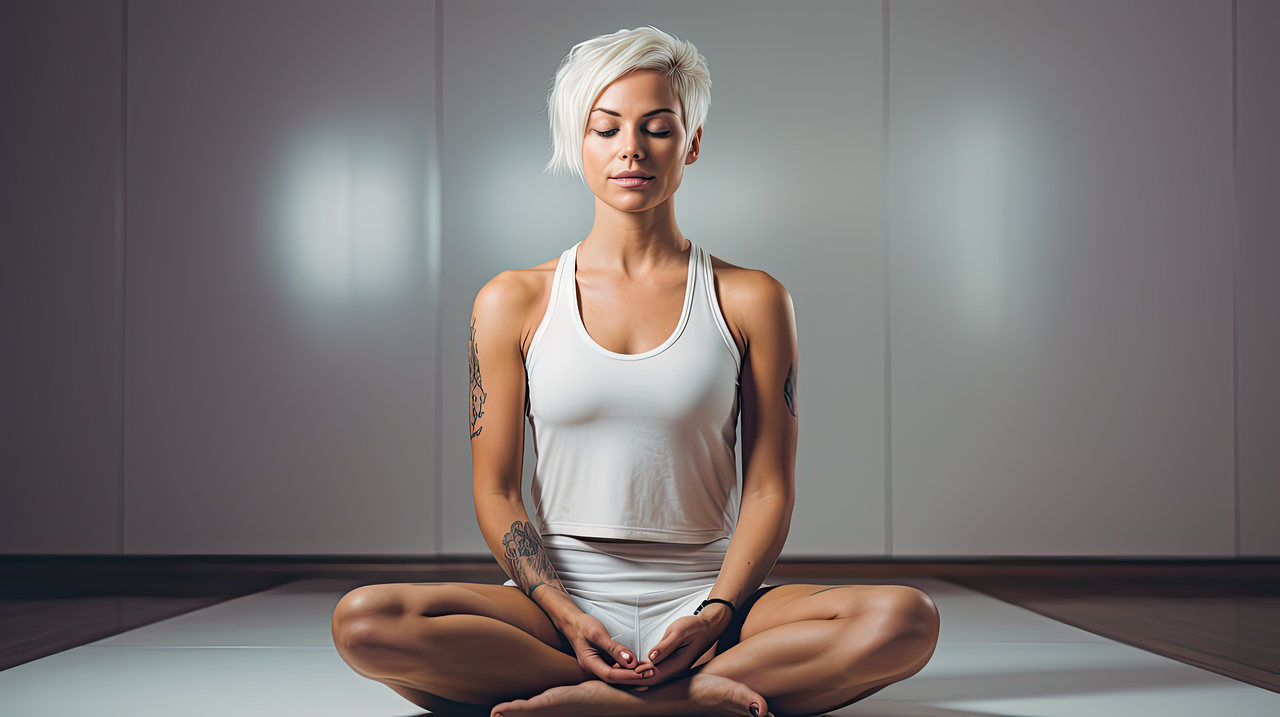
One effective mindfulness technique is deep breathing, which can be practiced anywhere and anytime. Deep breathing helps ground your thoughts while reducing feelings of stress and anxiety. To practice this, find a comfortable seated position, close your eyes, and take a deep breath in through your nose for a count of four. Hold it for a count of four, then release the breath slowly through your mouth for a count of six. Focus on the sensation of the air filling your lungs and emptying out again. This technique encourages relaxation while clearing cluttered thoughts from your mind. Make it a daily habit to allocate a few minutes solely for this practice, especially during high-pressure situations. Not only does it help to calm anxious nerves, but it also allows you to gather your thoughts more efficiently. Consistent practice of deep breathing will enhance your emotional resilience, enabling you to tackle life’s challenges with clarity and confidence. Challenge yourself to build this practice into your daily routine. With dedication, you will notice a significant difference in your mental clarity and overall demeanor.
Incorporating Mindfulness into Daily Activities
Another well-known method that can greatly assist in management of stress is incorporating mindfulness into everyday tasks. Whether you are cooking, cleaning, or even just walking, you can actually cultivate mindfulness in these mundane activities. For instance, while washing dishes, focus on the sensations of the water and the movement of your hands. Pay close attention to the scents and sounds around you. By anchoring your mind to the present moment in this way, you can transform routine tasks into mindfulness practices. This form of engagement not only enhances awareness but also reduces feelings of stress and anxiety. As you immerse yourself in these moments, you will find your mental clarity heightened. By making this small but mindful shift in your approach to daily activities, not only will stress diminish but joy and satisfaction may also flourish. Intentionality and mindfulness will allow you to gain an appreciation for the present and improve your emotional state. Develop the habit of practicing mindfulness during these activities daily.
Creating a designated mindfulness space within your home can further enhance your daily practice and boost your mental clarity. This space should be free of distractions and filled with items that promote relaxation, such as comfortable seating, calming colors, and peaceful decorations. Consider adding soft lighting and elements like plants or water features, which can contribute to a tranquil atmosphere. With a mindfulness area established, you can better prepare your mind for focusing on the present, fostering deeper engagement in meditation or reflection. This setup serves as a reminder to prioritize your mental health every day. By visiting this space regularly, you condition your mind to become more receptive to mindfulness practices. Engaging in your mindfulness space can take various forms, such as journaling, meditating, or simply enjoying quiet time. Creating this environment signals to your mind and body that it is time to unwind and concentrate on nurturing your mental clarity. By developing this habit, you empower yourself to manage daily stresses more effectively and maintain overall mental health.
The Power of Gratitude in Mindfulness
Gratitude is another valuable tool that enhances mindfulness and improves mental clarity. Taking time each day to reflect on what you are thankful for creates a positive mental shift, combating negativity and fostering peace. It can be as simple as writing a few things down in a gratitude journal or mentally listing them while enjoying a quiet moment. This practice encourages you to recalibrate your focus toward the positive aspects of life, shifting away from stressors. Integrating thankful reflections into your daily routine can establish a protective buffer against negative emotions. Gratitude helps to deepen your mindfulness practice by solidifying your connection to the present moment. Additionally, expressing gratitude increases resilience—creating a framework for enduring life’s challenges. Aim to consciously incorporate gratitude into your daily mindfulness rituals. Over time, you will likely find mental clarity improves as stress diminishes. By cultivating gratitude, you’re not only enhancing your mindfulness but also reinforcing a happier, more fulfilling perspective on life. Developing this practice will profoundly impact your emotional landscape.
Staying connected with nature can serve as a powerful mindfulness tool, drastically improving your ability to manage stress. When you immerse yourself in natural settings, your senses awaken, and you become acutely aware of your surroundings. Taking walks in parks, hiking, or simply sitting outside can cultivate both mindfulness and mental clarity. To truly embrace the experience, focus on the sounds of nature, the texture of the grass under your feet, or the fragrance of flowers in bloom. Research has shown that connecting with nature lowers cortisol levels, promoting relaxation and mental clarity. Make it a habit to spend time outdoors, enjoying the beauty of your surroundings daily. These moments spent in nature nourish both your mental and emotional well-being. Simply pausing to appreciate your environment can redirect your focus to the present, clearing your mind. Aim to integrate this practice into your daily activities, reconnecting with the natural world that surrounds you. Your mental resilience will strengthen as you cultivate awareness in these serene spaces, allowing stress to diminish.
Establishing a Mindfulness Routine
Forming a routine around mindfulness practices cultivates lasting habits that significantly improve mental clarity. Scheduling time for mindfulness helps you clarify your intentions and priorities each day. Start by blocking out small amounts of time dedicated solely to mindfulness, meditation, or deep breathing. Choose a time that suits your lifestyle, whether in the morning to energize you or in the evening to wind down. Intentional scheduling will provide structure, making it easier to follow through on your mindfulness commitments. As you consistently invest time in these practices, you’ll notice that your ability to manage stress becomes more refined. Remember that establishing a routine takes patience and perseverance. Life may sometimes throw you off track, but staying committed will yield the best results. Incorporating mindfulness into your daily life will gradually shift your overall approach towards stress management. Establishing this routine will create a strong foundation for mental clarity and emotional resilience. Remind yourself of the benefits as you work toward maintaining such practices for years to come.
Your personal journey with mindfulness may evolve and transform over time. As you respond to the challenges of life, embrace flexibility in your practice and strive to find what resonates with your authentic self. Mindfulness is not one-size-fits-all; discover what techniques work for you, whether through mindful art, yoga, or journaling. Tailoring your approach will better equip you for various life situations. Additionally, keep seeking new ways to deepen your practice by reading books, attending workshops, or joining a mindfulness group. Engaging with like-minded individuals can provide inspiration and motivation. Together, you can share experiences and build a supportive community. Your journey with mindfulness should be celebrated, acknowledging that the path may have ups and downs. Remain open to growth, allowing your mental clarity and emotional resilience to flourish over the years. By continuously learning and adjusting your practices, you can find a sense of empowerment. Your commitment to sustained mindfulness will sustain and enhance your emotional well-being through the various stages of life. Embrace the journey that mindfulness presents, cherishing the moments it enriches.