
Wearable ECG Devices: Benefits and Limitations in Training
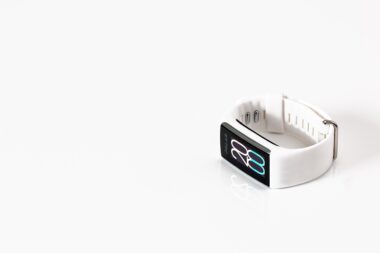
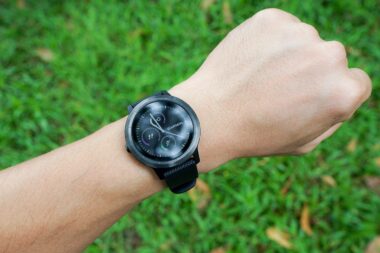
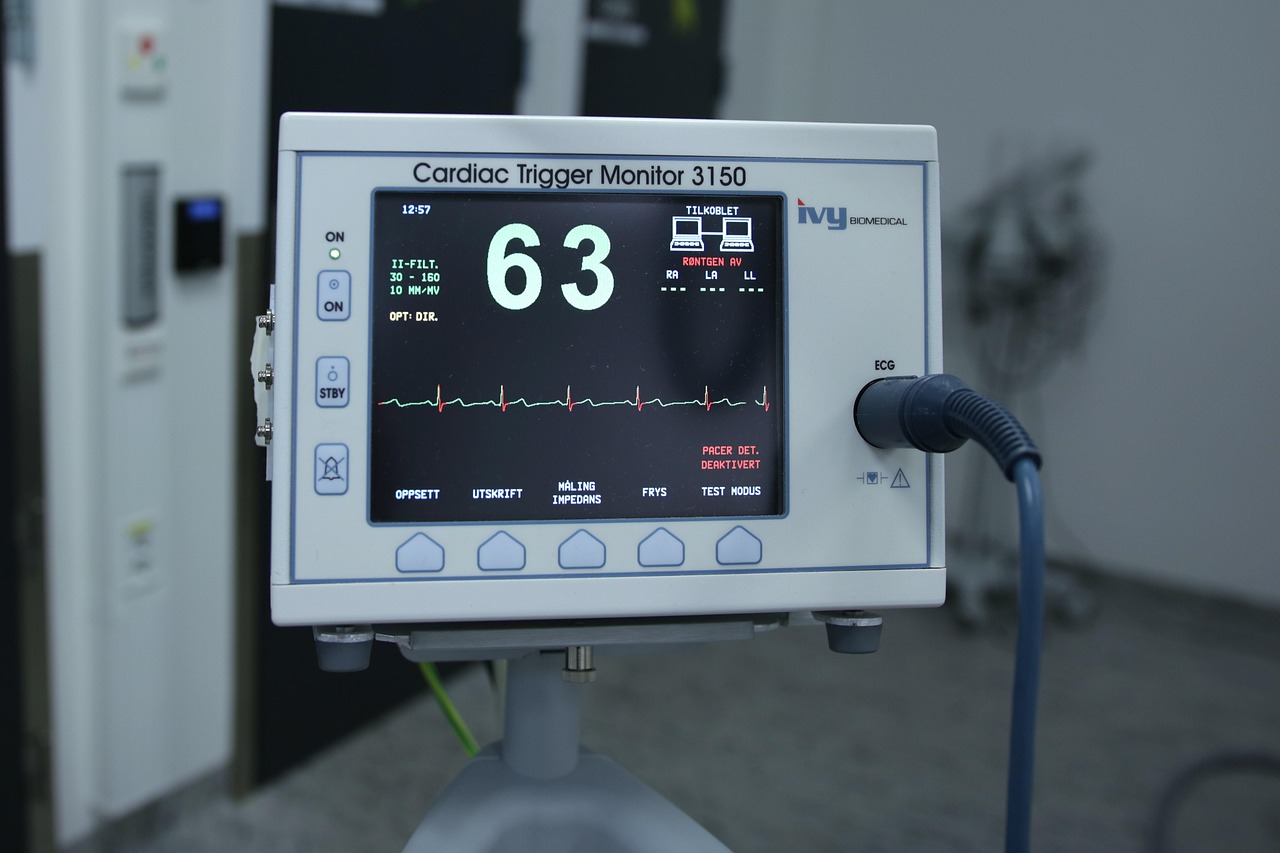
In an era of advanced technology, wearable ECG devices have gained considerable traction, especially in the realm of cardiovascular training. These devices monitor heart activity in real-time, providing users with vital information that can significantly impact their training regimen. By capturing and analyzing electrical activity, these wearable devices offer insights that were previously accessible only in clinical settings. Athletes and fitness enthusiasts can leverage this technology to optimize performance through informed decision-making. Moreover, the accessibility of such devices means heart tracking is no longer limited to specialized clinics or professionals. Users can now conveniently monitor their heart rates and rhythms during exercises, allowing them to understand how their bodies react to different workouts. Furthermore, the integration of these devices into routines can help prevent overexertion or other health risks. However, it’s crucial to understand both advantages and drawbacks before fully committing to these technologies, ensuring users maximize their benefits while minimizing risks. Overall, wearable ECG devices serve as a transformative tool in cardiovascular training, streamlining health monitoring, performance analysis, and overall fitness enhancement for users.
Wearable ECG devices offer numerous benefits, making them popular among fitness enthusiasts and professionals alike. First and foremost, these devices provide real-time data on heart rate, rhythm, and overall cardiovascular performance. This capability allows users to identify potential irregularities or abnormalities in heart function and to adjust their training accordingly. Furthermore, many wearable ECGs come equipped with advanced features, such as alerts for heart rate variability, which can indicate physical stress. The integration of mobile apps enhances the user experience, allowing for easy data tracking and visualization. Moreover, the data collected can guide training intensity levels, ensuring athletes maintain optimal cardiovascular conditioning. Utilizing this information can empower users to push boundaries safely, optimizing workouts and minimizing injury risks. Additionally, many devices now feature Bluetooth connectivity, enabling seamless integration with smartphones and fitness trackers. This connectivity simplifies the collection and sharing of health data with coaches and healthcare providers. As technology continues to evolve, these devices will likely improve and integrate new features, making it essential for users to stay informed about the latest advancements and refine their training strategies further.
Limitations of Wearable ECG Technology
Despite the numerous advantages of wearable ECG devices, they come with certain limitations that users must consider. Firstly, most wearable ECG devices are not medical devices and, therefore, may not meet the stringent accuracy needed for clinical assessments. This limitation means that while these devices provide useful information for training, they should not replace professional medical advice or diagnosis. Also, variations in device accuracy based on individual body types, skin conductance, and environmental conditions can lead to inconsistent readings. Users might experience intermittent connectivity issues, which can hinder data tracking and affect workout reliability. Furthermore, though many devices have user-friendly interfaces, some individuals may find the initial learning curve challenging. Moreover, not all devices are comfortable for extended wear, which may affect a user’s willingness to consistently track their data. Battery life is another consideration; frequent charging can interrupt the continuity of training data. Additionally, device dependence may lead some users to ignore bodily signals or discomfort, prioritizing technology over intuitive physical feedback. Hence, it’s critical to approach wearable technology with a balanced perspective to maximize its benefits while acknowledging its limitations.
Incorporating wearable ECG devices into a training regimen is not just about monitoring heart rate; it’s about enhancing overall training effectiveness. These devices can assist in customizing workouts to align with individual fitness goals, whether for weight loss, endurance, or strength building. By providing personalized data, users can better understand how their bodies respond to different training stimuli. For example, insights from data analysis can steer users toward optimizing their training zones, ensuring they are exercising at the appropriate intensity for cardiovascular conditioning. Likewise, understanding heart rate recovery times can indicate training effectiveness and signal when it’s time to increase or decrease workout intensity. Additionally, integrating ECG data helps with post-workout assessments, allowing users to refine future workouts based on gathered insights. However, the long-term effects of relying heavily on data from wearable devices must be considered. Balancing data-driven insights with personal experience is paramount to achieving desired training outcomes. While technology paves new routes for fitness, it’s crucial to stay attuned to one’s body to avoid over-dependence on any technology.
The Future of Wearable ECG Devices in Training
The future of wearable ECG devices in cardiovascular training holds exciting possibilities as technology continues to evolve rapidly. As artificial intelligence and machine learning become more integrated into health monitoring, the capabilities of these devices may expand significantly. Future ECG wearable devices could provide more accurate data, enabling better predictive analytics regarding heart health and personalized training plans. Improved battery technology may lead to longer usage times, eliminating the need for frequent recharging and allowing continuous monitoring of vital signs. Additionally, integrating light-based or photoplethysmographic technologies could enhance measurement fidelity and broaden the scope of wearable devices. There’s also potential for further collaboration between health data platforms, enabling users to share their data seamlessly with healthcare providers and coaches. Such integrations could result in more personalized coaching experiences and improved health outcomes. The emphasis on data privacy and security will likely grow, ensuring user confidence in sharing sensitive information. As the wearables market matures, the devices are expected to become even more user-friendly, catering to a broader audience who can benefit from cardiovascular monitoring without complication.
Assessing the impact of wearable ECG devices necessitates a focus on user education. To maximize benefits, users must know the significance of heart rate monitoring and how to interpret the data provided. Workshops, online courses, and user manuals can provide essential guidance. Educated users can ensure they get the most from their devices by understanding how various factors influence heart rate, such as hydration, temperature, and emotional stress levels. Furthermore, community forums and platforms can facilitate discussions where users share tips and experiences, creating a supportive network. This helps individuals troubleshoot common problems or enhance their usage of these technologies. Regular updates from manufacturers regarding software and app updates will remind users about new features or improvements. Another key aspect is maintaining an open dialogue with healthcare professionals, ensuring that the training regimen aligns with personal cardiovascular health goals. This integration of education will enable users to tailor their fitness journeys according to their data effectively. Thus, education surrounding wearable ECG technology is crucial in maximizing its effectiveness and ensuring safe training practices based on personal metrics.
Conclusion: The Balance of Technology and Training
In conclusion, wearable ECG devices represent a significant advancement in cardiovascular training, offering users valuable insights for optimizing their workouts. These devices have the potential to enhance performance, monitor heart health, and prevent overtraining. However, understanding their limitations is equally important to avoid potential health risks and over-reliance on technology. Striking a balance between data-driven insights and personal intuition is key for safety and success in any training program. As wearable technology progresses, it is expected that these ECG devices will become more advanced, user-friendly, and widely adopted across various fitness levels. Continuous education and open channels of communication with health professionals will further support effective usage and integration into personal training practices. Ultimately, while wearable ECGs can significantly contribute to improving training outcomes, the emphasis should always remain on the holistic approach to health, combining technology with mindful listening to one’s body. Adopting this balanced perspective will allow users not only to maximize the benefits of wearable ECG technology but also to sustain enjoyable fitness journeys that prioritize their overall well-being.
This paragraph is appended as the last one to add some final notes about wearable ECG devices in cardiovascular training. Maintaining a dialogue about the latest advancements and user experiences will help shape future developments in this field. As the fitness landscape evolves, the role of technology will continue to be pivotal, ensuring that users can achieve their goals while safeguarding their health. Part of this ongoing conversation should focus on user feedback, driving innovations that address the most pressing needs of athletes and fitness enthusiasts alike. In the coming years, as data analytics become increasingly sophisticated, personalized training programs will allow individuals to harness the power of their cardiovascular metrics effectively. This adaptability will empower users to construct focused training regimens that can evolve alongside their fitness levels. As cardiovascular monitoring progresses, wearable ECG devices will likely become indispensable tools in fitness. Ultimately, embracing this technology with an informed mindset will facilitate better health outcomes and promote a culture of wellness and connected fitness across different communities.