
Mineral-Rich Foods to Boost Your Athletic Nutrition
When it comes to enhancing athletic performance, minerals play a critical role. Athletes often require higher amounts of certain minerals to support energy production, muscle contraction, and overall health. Iron, magnesium, calcium, zinc, and potassium are just a few essential minerals needed for optimal function. Incorporating mineral-rich foods into your diet can help you meet these needs effectively. For example, incorporating dark leafy greens, legumes, nuts, seeds, and whole grains can significantly increase your mineral intake. Foods like spinach, lentils, and quinoa are fantastic sources of these vital nutrients. Furthermore, mineral diversity in your diet can enhance recovery and support overall health. It’s vital to ensure you’re consuming a balanced diet that provides adequate minerals to maintain performance levels. Focusing on whole, unprocessed foods not only helps fulfill these requirements but also offers additional health benefits. Remember to stay hydrated, as hydration is just as important, especially for minerals like sodium and potassium, which play a key role in fluid balance during physical activity. Prioritize these mineral-rich foods in your meal planning; your body will thank you for it.
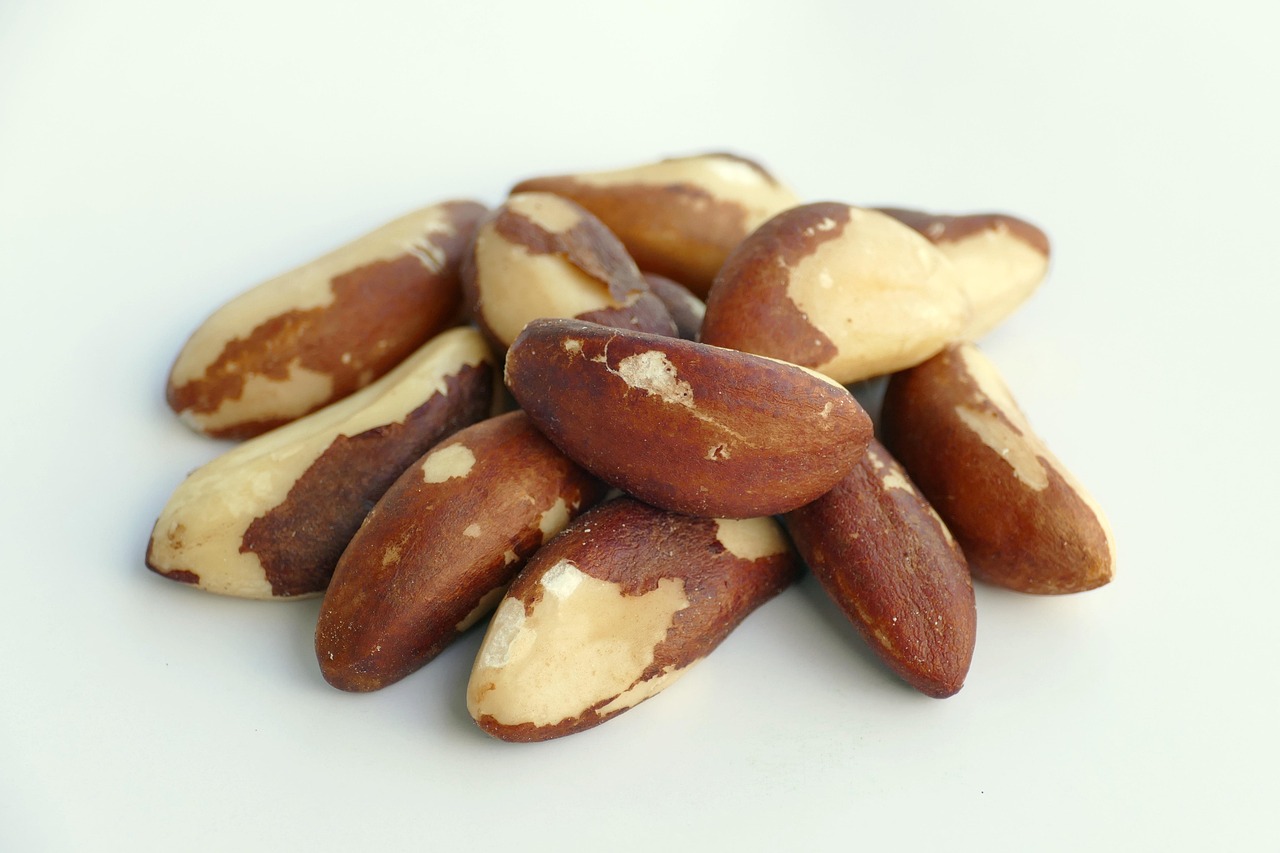
To ensure your mineral intake is sufficient, consider the role of various foods. Nuts and seeds are great options, packed with magnesium, zinc, and other essential minerals. Almonds, pumpkin seeds, and sunflower seeds can be easily added to smoothies, salads, or eaten as snacks. Additionally, shellfish and fish provide not only vital minerals but also omega-3 fatty acids, promoting heart health and reducing inflammation. Specifically, oysters, salmon, and sardines are rich in zinc and iodine, enhancing athletic performance and recovery. If you’re vegetarian or vegan, fortified foods can also help bridge the mineral gap. Many plant-based milks, cereals, and bread products are fortified with key minerals. Be cautious, however, about relying solely on supplements since whole foods offer additional antioxidants and phytonutrients beneficial for health. Listening to your body is essential; regularly assess your energy levels and recovery post workouts to tailor your diet accordingly. Variety is key, so rotate different foods to cover your mineral bases and enjoy a diverse diet that supports your training. Ultimately, focusing on mineral-rich foods enhances your performance, helps you recover efficiently, and promotes long-term well-being.
Essential Minerals for Athletic Performance
Among the essential minerals, calcium is crucial for muscle contraction and bone health. It is abundant in dairy products, fortified plant-based milks, and leafy greens. Consuming adequate calcium influences performance and protects against injuries, especially for athletes engaged in high-impact sports. Likewise, magnesium aids over 300 biochemical reactions in the body, including energy production and muscle function. Good food sources include spinach, nuts, and whole grains. Deficiency in magnesium can lead to muscle cramps and fatigue—definitely not ideal during competitions! Potassium is another vital mineral that supports proper muscle function and fluid balance, which is essential during exercise. Incorporate bananas, potatoes, oranges, and legumes in your routine to boost potassium intake. Zinc also plays a vital role in immune function and recovery, particularly significant for athletes whose training stress levels may compromise immunity. Foods like meat, seafood, and legumes are excellent sources of zinc. Incorporating these minerals can ultimately enhance your performance, recovery, and overall health. Understand that your body’s mineral needs may vary depending on activity levels, age, and dietary preferences.
Sports nutrition is widely recognized for emphasizing the importance of vitamins and minerals. It’s essential to assess not only macronutrients but also micronutrients required for optimal performance. Iron is among the most vital minerals for athletes; it is crucial for transporting oxygen to muscles. Athletes, particularly women, may struggle to maintain adequate iron levels, which can harm energy and endurance. Red meat, poultry, fish, lentils, and spinach are rich in iron, but remember that the absorption of plant-based iron can be enhanced by pairing it with vitamin C-rich foods like citrus fruits or bell peppers. This simple practice can make a significant difference in iron absorption efficiency. Maintaining a diet rich in iron not only optimizes performance but also reduces fatigue during rigorous training sessions. It’s important to monitor your health and consider blood tests if fatigue persists or if you suspect any deficiencies. By including iron-rich foods in your diet, you can significantly enhance your performance and overall well-being, making every training session effective and successful.
Hydration and Mineral Balance
Hydration cannot be overlooked when discussing minerals in sports nutrition; it directly impacts mineral balance and performance. Sodium, potassium, and chloride are electrolytes essential for maintaining fluid balance, especially during intense physical activity. They play a critical role in preventing dehydration, muscle cramping, and other heat-related issues. Consuming electrolyte-rich foods before, during, and after workouts is vital. Electrolytes can be replenished through bananas, sweet potatoes, leafy greens, and sports drinks designed to hydrate effectively while restoring lost minerals. Pay close attention to your body’s signs of dehydration, particularly during the warmer months, as exercising without proper hydration can drastically affect performance. One way to ensure adequate mineral consumption is to reach for snacks high in potassium and sodium, such as salted nuts or pretzels, post-exercise. Hydration strategies should vary based on training duration and intensity. If you’re an endurance athlete, consider electrolyte supplements or drinks, but ensure they fit within your nutritional guidelines. Ultimately, a balanced hydration approach, with attention to mineral intake, will ensure optimal athletic performance and recovery.
Lastly, focusing on meal timing can significantly optimize the benefits of mineral-rich foods. Eating a balanced meal rich in minerals before training sessions can provide essential nutrients needed for peak performance. For instance, having quinoa with sautéed greens or a yogurt parfait with nuts and fruits helps prepare your body for the workout ahead. Post-training, a recovery meal rich in protein, carbs, and minerals is key. Consider options like a hearty salad topped with chickpeas, feta cheese, and a variety of vegetables, which can help replenish lost minerals through sweat. Additionally, timing your mineral intake can aid in muscle recovery and overall energy restoration. The consumption of a protein-rich snack combined with healthy carbohydrates post-exercise should be prioritized to optimize recovery. Listen to your body and assess your energy demands. By investing time in proper meal timing and incorporating the right mineral-rich foods, athletes can enhance their performance and well-being while responsibly addressing their bodies’ nutritional needs.
Conclusion
In conclusion, mineral-rich foods are essential for athletes seeking to enhance their performance and recovery. Understanding the role that minerals like calcium, magnesium, potassium, and iron play in athletic nutrition can pave the way for improved results. Incorporating a diverse array of whole foods into your daily diet ensures you receive all necessary nutrients. Experiment with different mineral-rich foods, such as legumes, nuts, seeds, and whole grains, to create delicious and nutrient-dense meals. Remember to prioritize hydration, particularly focusing on electrolytes, to support your body’s efforts during physical activity. Pay close attention to your body’s signals and adjust your diet accordingly to maximize your health and performance. Never underestimate the impact of minerals on your training; a well-balanced diet directly translates into the quality of your workouts. Lastly, consult a professional if unsure about your nutritional needs; a well-structured meal plan can significantly impact your athletic journey. Embrace mineral-rich foods for optimal performance—they are a key element in achieving your sporting goals.