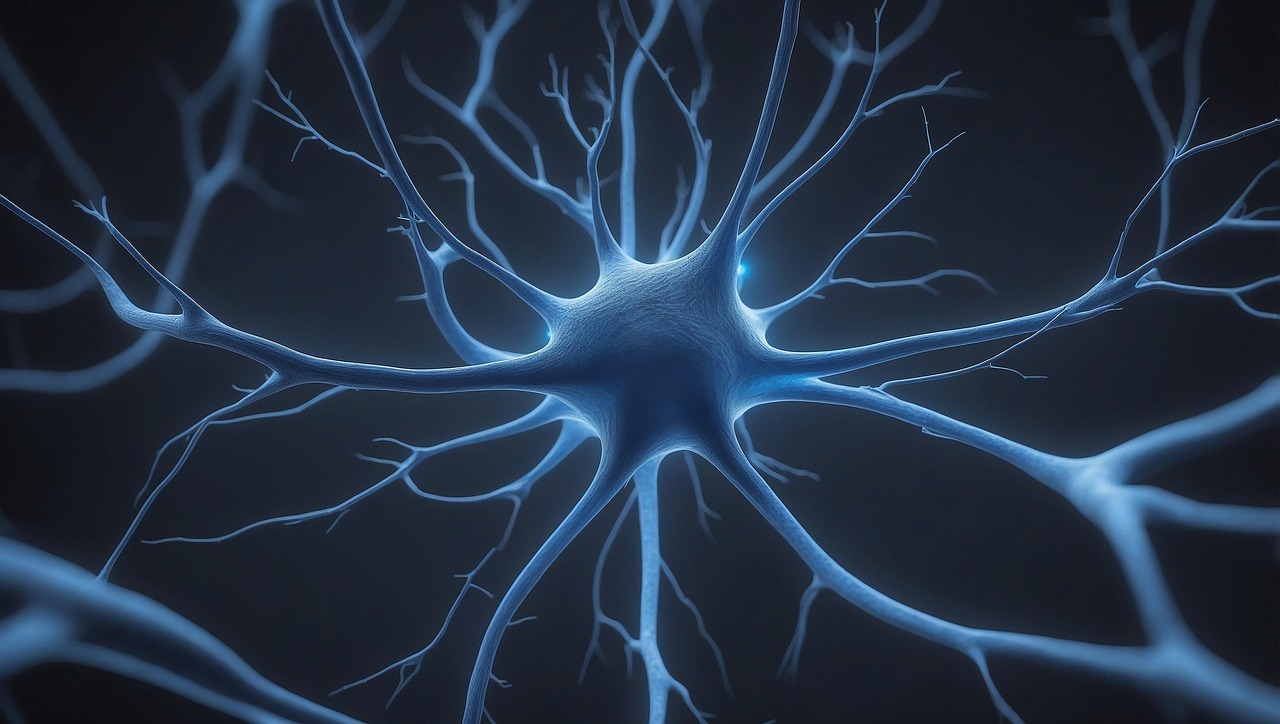

The Gut-Brain Connection in Intermittent Fasting Detox Regimens
The gut-brain connection plays a critical role in understanding how intermittent fasting influences detoxification processes in the body. This intricate relationship between the gastrointestinal system and the brain affects digestion, mood, and overall health. When engaging in intermittent fasting, individuals can experience changes in their gut microbiome, which can significantly impact their mental state. The bacterial balance within the gut communicates with the brain through various pathways, including the vagus nerve. Disruptions in this balance can lead to adverse effects such as anxiety and mood swings. Moreover, intermittent fasting has shown potential in reducing inflammation in the gut, which may further enhance cognitive function and emotional well-being.
Research indicates that intermittent fasting promotes the growth of beneficial gut bacteria. This supports the notion that maintaining a healthy microbiome is essential for mental health and wellness. During fasting periods, the gut has an opportunity to heal and regenerate, potentially correcting dysbiosis, or bacterial imbalance. Studies have found that certain strains of probiotics flourish during fasting, which can positively influence mood and energy levels. Additionally, fasting can enhance the production of short-chain fatty acids (SCFAs), which serve as crucial energy sources for gut cells and have a profound effect on brain health. By supporting gut health through intermittent fasting, individuals may bolster their mental clarity and emotional stability.
The Role of Autophagy in Mental Clarity
Autophagy, a natural cellular process that eliminates damaged components, plays a pivotal role in promoting mental clarity during intermittent fasting. This self-cleaning mechanism is heightened during fasting periods, allowing the body to detoxify at a cellular level. As autophagy progresses, it enhances the production of neurotransmitters such as serotonin and dopamine, which are vital for mood regulation. Enhanced neurotransmitter levels can lead to improved concentration and mental sharpness. Furthermore, the decrease in oxidative stress during fasting supports neuronal health, reducing the risk of cognitive decline. Individuals engaging in intermittent fasting often report heightened focus and improved cognitive function.
To harness the benefits of autophagy through intermittent fasting, individuals can implement periodic fasting schedules tailored to their lifestyle. Common approaches include the 16/8 method, where eating is restricted to an eight-hour window each day, and alternate-day fasting, allowing for significant rest periods for the digestive system. These methods promote autophagy, ensuring mental clarity and cognitive enhancements during fasting states. Integrating nutrient-dense meals during non-fasting windows further promotes gut health and supports the fasting process. Essential nutrients should focus on providing support to the gut microbiome, enhance nutrient absorption, and stabilize energy levels to maintain optimal brain function.
Apps and Tools to Optimize Intermittent Fasting
As interest in intermittent fasting grows, a variety of apps and tools have emerged to help individuals optimize their fasting experiences. These applications assist users in tracking their eating windows, recording food intake, and monitoring mood patterns during fasting periods. The information collected can reveal insights into how fasting affects individual gut health and mental clarity. Many of these apps also provide educational content on the gut-brain connection, illustrating the relevance of microbial health to mental well-being. By utilizing these tools, individuals can refine their fasting regimens for better health outcomes.
Maintaining a healthy gut-brain connection is essential for achieving optimal outcomes from intermittent fasting. Practicing mindfulness during eating windows allows individuals to make better dietary choices and enhance their overall wellness. Foods that support gut health include fermented options, prebiotics, and fiber-rich items that facilitate healthy digestion. Staying hydrated is also a critical component of intermittent fasting, as it aids in detoxification and overall health. Mindful eating practices promote a consistent routine, further enhancing the benefits of intermittent fasting as they relate to gut health. Over time, individuals can observe improved cognitive function and overall mental health, positively impacting their daily lives.
Conclusion: Embracing Intermittent Fasting for Gut-Brain Health
In conclusion, the gut-brain connection is a crucial aspect of intermittent fasting detox regimens. The interplay between gut health and mental well-being suggests that adopting intermittent fasting can cultivate a more profound understanding of bodily health. By incorporating fasting into their lifestyles, individuals can support their gut microbiome and promote optimal mental clarity. Additionally, recognizing the significance of dietary choices during eating windows can enhance the benefits of such regimens. As awareness of the gut-brain axis grows, individuals may find increased motivation to integrate intermittent fasting as a vital strategy for improved well-being and health.
In summary, intermittent fasting not only serves as a detox strategy but also offers substantial benefits regarding mental clarity through its positive effects on the gut-brain connection. Engaging in practices such as mindful eating and utilizing tools designed for tracking fasting can enhance this experience. The potential for improved mood, cognitive function, and overall health makes intermittent fasting a compelling option. By understanding the links between gut health and brain function, individuals can make informed choices to prioritize their well-being while embracing detoxification through fasting. The exploration of this connection continues to evolve, paving the way for future research and holistic health approaches.