
Breaking Barriers: Accessibility in Modern Fitness Programs
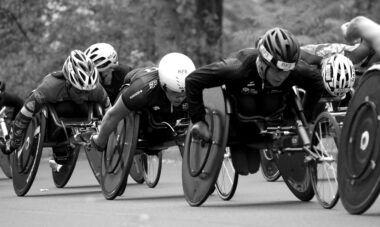
The fitness industry is evolving, prioritizing the implementation of inclusive fitness programs tailored for individuals with diverse abilities. These initiatives aim to accommodate everyone, regardless of physical limitations. Inclusive fitness means creating environments where all individuals can confidently participate. Accessibility in fitness requires modifications to standard exercise regimens and equipment. This shift not only benefits those with disabilities but also enriches the community as a whole. Designers and gym owners are beginning to recognize the importance of accessible fitness facilities that consider wheelchair users, those with sensory sensitivities, or other mobility challenges. Modern technology plays a significant role in advancing inclusive practices, with apps and virtual classes designed to cater to various users. Moreover, awareness campaigns educate the public about inclusive fitness. These efforts contribute to a significant cultural shift, promoting acceptance and respect for all fitness journeys. The incorporation of inclusive programs is not merely a trend but signifies a necessary evolution in the fitness landscape. Ensuring everyone feels welcome and capable can heavily influence individuals’ mental health, thus boosting overall quality of life and encouraging higher participation rates.
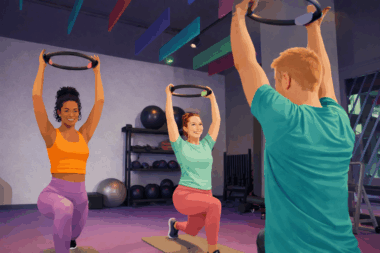
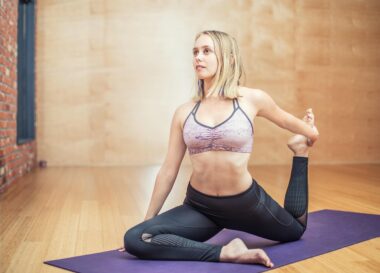
As the conversations around health and wellness progress, the necessity for inclusive fitness programs becomes increasingly evident. Traditional fitness environments often do not consider the diverse needs of potential participants. However, understanding that fitness should encompass every individual, regardless of their abilities, has motivated many gym owners and trainers to adapt their practices. One essential aspect of larger workplaces with fitness facilities is to train staff adequately. Staff training should emphasize sensitivity, inclusivity, and practical skills for helping individuals with disabilities participate fully. Additionally, creating partnerships with local advocacy groups can provide insights into the needs of the community. Inclusive fitness classes should comprise various activities tailored to accommodate all participants, such as adaptive yoga, chair aerobics, or specialized weight training—this structured approach ensures diversity in available programs. Furthermore, the promotion of inclusive fitness initiatives should transcend physical locations, extending into digital platforms. Online offerings can reach populations that physical spaces might not serve effectively. Increased access to online workouts opens doors for individuals who may feel intimidated by traditional gyms and studios. This accessibility can encourage them to embrace a healthier lifestyle.
Community Impact of Inclusive Fitness Programs
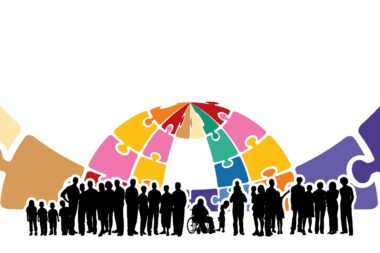
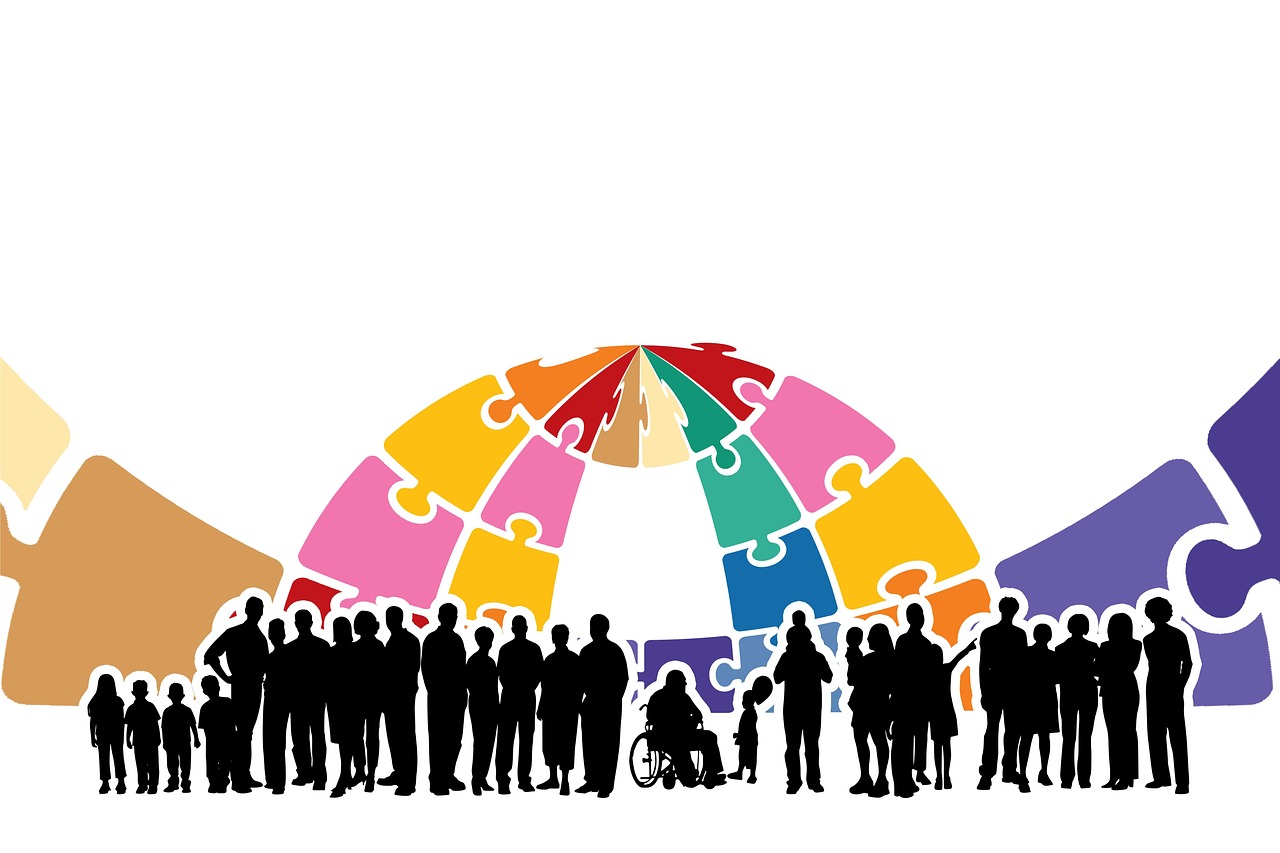
The impact of inclusive fitness programs stretches beyond individual benefits, playing a vital role in community health as well. When awareness for inclusive fitness flourishes, community members become more informed about the needs of individuals with disabilities. This knowledge promotes understanding and acceptance, resulting in broader social integration. Inclusive fitness programs encourage collaboration, enabling various participants to engage positively in shared experiences, building a supportive network. The implementation of such programs can reduce stigma associated with disabilities, fostering a more judgment-free environment where everyone can pursue fitness goals. Many local gyms host community events highlighting inclusive activities that attract diverse groups. These events often consist of workshops or demonstrations showcasing the various fitness options available to individuals, creating unity and shared experiences. Such interactions promote friendships and deeper connections among participants. Additionally, increased visibility of inclusive fitness empowers individuals who may have previously felt excluded. By emphasizing community-building aspects, fitness facilities can attract a wider demographic, ultimately leading to greater membership diversity. As these programs gain traction, we can expect more inclusivity to become the standard in the fitness industry.
While inclusive fitness programs are essential, continually evaluating their effectiveness and reception among participants is equally crucial. Gathering feedback from participants allows fitness facilities to identify areas requiring improvement. Engaging participants in discussions about their experiences ensures programs remain adaptable and responsive to needs. Furthermore, collecting data about attendance and participation rates can offer insights into program popularity and efficacy. A transparent evaluation process shows participants that their voices matter, making them feel valued within the fitness community. By encouraging open communication, gyms can foster committed relationships with their clients, reinforcing a culture of inclusion. Continuing education for trainers is another critical component, ensuring they remain informed about emerging trends and tools catering to inclusivity. Certifications focused on adaptive fitness are becoming more accessible, empowering trainers to refine their skills and provide better support. Collaboration with experts in disability support and rehabilitation can refine these programs significantly. Another vital aspect of sustainability in inclusive programming is the funding to maintain and expand these initiatives. Local businesses and organizations can contribute resources or sponsorship, ensuring these crucial programs thrive long-term, driving a lasting impact on fitness culture.
Technology’s Role in Inclusive Fitness
Technology plays a transformative role in enhancing the accessibility of modern fitness programs. Virtual reality (VR) can create inclusive experiences by providing adaptations for various needs, allowing individuals to engage in unique workouts from anywhere. Fitness apps dedicated to inclusivity offer tailored workouts designed for individuals with varying abilities, helping them exercise independently outside typical gym settings. Online platforms that host live classes can offer a significant accessibility boost, connecting individuals who may not have access to in-person facilities. Moreover, wearable fitness technology can be instrumental for all users, providing vital data that can be personalized to suit individual needs and goals. Utilizing technology fosters community among individuals with disabilities, creating forums and social media groups where participants can share their successes and challenges. Coaches or trainers who specialize in inclusive programming can also use these platforms to offer advice and support, further developing a sense of belonging and encouragement. Through technology, individuals can engage with inclusive fitness on their terms, shattering barriers that once hindered access. Additional resources can help users remain motivated by tracking progress and offering challenges tailored to all levels.
Ultimately, establishing an inclusive fitness culture focuses on breaking down barriers one step at a time. Building awareness, fostering understanding, and promoting acceptance are essential components in the journey towards a more accessible fitness environment. Gyms and fitness centers must prioritize inclusivity by examining their equipment and facility layout, ensuring everyone can use them comfortably. Simple adaptations, such as adjusting the height of weight machines or creating pathways for wheelchair users, can significantly impact accessibility. Additionally, offering training programs that educate instructors about available modifications increases trainers’ confidence in working with diverse clients. Marketing efforts should also reflect inclusivity, ensuring that promotional materials feature a range of participants across various abilities or backgrounds. In addition to changing physical spaces, practical strategies involve targeting specific communities that may feel left out. Partnering with disability organizations can create tailored initiatives that truly meet the specific needs of diverse populations. By genuinely embracing multifaceted approaches that consider all participants, fitness facilities can craft inclusive cultures built on respect and understanding, which ultimately leads to positive social change within the fitness landscape.
Conclusion: The Future of Inclusive Fitness
In conclusion, the future of inclusive fitness programs depends on our commitment to accessibility. As awareness grows and societal attitudes shift, fitness facilities will embrace more inclusive practices, fundamentally transforming the industry. Driven by technology and community relationships, the movement towards inclusivity will likely continue to gain momentum. The collaboration between gym owners, trainers, individuals with disabilities, and advocacy groups is crucial. Listening to the lived experiences of individuals shapes the future of fitness by ensuring that diverse voices remain heard. Continuous education, evaluation, and adaptation will drive improvement in practices, making fitness increasingly accessible to all. As more programs emerge, focusing on inclusivity will create environments where individuals feel empowered to participate in their wellness journey. Celebrating diversity in fitness through inclusive programming can uplift entire communities. Ultimately, this marks a pivotal shift—a shift that goes beyond the gym. In pursuing inclusivity, we are not just revolutionizing fitness; we are reshaping the narratives around disability and wellness, paving the way for generations of inclusive and accessible fitness enthusiasts. It is through this ongoing collective effort that barriers can finally be broken.
To summarize, the evolution of modern fitness programs towards inclusivity is a vital component of our collective health. As we challenge conventional norms and promote equal access to fitness, we fundamentally reshape society’s understanding of health and ability. Every aspect, from community engagement to personalized technology, plays a critical role in fostering inclusive environments. Consequently, creating spaces where everyone can thrive is not just an obligation; it is a moral imperative. Inclusion in fitness ultimately leads to healthier lives, decreased stigmatization, and increased well-being for individuals. As we prioritize these programs, we can ensure that all individuals, regardless of their starting point or challenge, can feel welcome and supported. Together, we can unlock the potential within our communities by actively dismantling barriers. Engaging in inclusive fitness initiatives also cultivates resilience—strengthening self-esteem and fostering an appreciation for unique journeys. The future is paved with opportunities for innovative programming and groundbreaking partnerships dedicated to improving accessibility. By inspiring change and fostering collaboration, the fitness industry has the power to alter lives. Let us work together to create a healthier future for everyone.