
How to Develop Proper Form in Weightlifting for Women
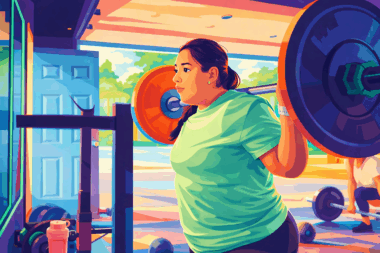
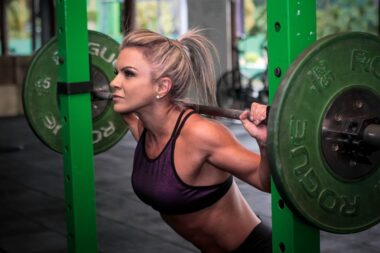
Weightlifting is a fantastic way for women to build strength, tone muscles, and boost overall fitness levels. Achieving proper form is essential for both performance and safety while lifting weights. To start, focus on your stance; maintaining your feet shoulder-width apart is crucial for balance and stability. Also, keep your spine neutral, avoiding any excessive curving or arching, as this can lead to injuries. Engaging your core throughout the lift is imperative to support your back. Additionally, practice the movement with lighter weights before progressing to heavier ones to hone your technique. Visualize each lift to enhance your form, since mind-muscle connection significantly influences performance. Another important factor is breathing; exhale during the exertion phase of the lift and inhale on the way down. Don’t hesitate to ask for guidance from a trainer or experienced lifter, as constructive feedback can help refine your technique. Analyze your movements using a mirror or video recording yourself, which offers insights into your body mechanics, revealing areas needing improvement. Incorporating these techniques leads to more effective workouts, ensuring that the benefits of weightlifting are maximized.
The Importance of Warm-Up in Weightlifting
Warm-ups play a crucial role in preparing your body for weightlifting, particularly for women, as they help in reducing the risk of injury. Before lifting, dedicate at least ten to fifteen minutes to dynamic stretches and mobility exercises. Aim for movements that revolve around the muscle groups you will engage during your workout. Arm circles, leg swings, and hip openers are excellent options to enhance flexibility and blood flow. Furthermore, light cardio sessions can also be beneficial; consider activities such as brisk walking, cycling, or jump rope for five minutes. They raise your heart rate, warming up your muscles effectively. Remember that mobility is key; the more flexible and mobile you are, the better your form will be during lifts. Pay special attention to areas that are commonly tight, such as your hips, shoulders, and back. By incorporating a thorough warm-up routine, you’ll improve your range of motion, enabling you to execute proper techniques during weightlifting. This ensures that you’re not only lifting effectively but also minimizing potential injuries or muscle strains.
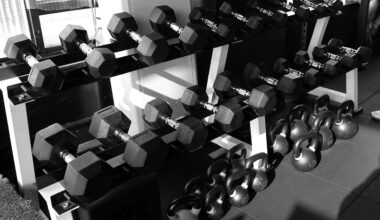
Choosing the right equipment is essential for achieving proper weightlifting form. Invest in quality weightlifting shoes that provide stability and support. Such shoes feature a flat sole and elevated heel, enhancing the capacity to maintain proper posture while lifting. A solid grip is equally important for both safety and performance. Utilize chalk for improved grip, or opt for gloves if preferred. When selecting equipment, remember that resistance bands, dumbbells, kettlebells, and barbells can be excellent additions to your routine. Begin with lighter weights to master your technique before transitioning to heavier loads. Tracking your progress is crucial in weightlifting; maintain a journal to record the weights lifted, repetitions performed, and the dates of your workouts. This will help you identify patterns in your performance, including any gains or areas needing focus. Always listen to your body; if something feels off, don’t ignore the signals. Proper rest and recovery after workouts contribute to muscle growth, so ensure that your regime includes sufficient downtime and nutritional intake to complement your efforts. Safe and effective weightlifting emphasizes listening to your body and respecting its limits.
Common Mistakes to Avoid in Weightlifting
Identifying common mistakes in weightlifting is crucial for enhancing your form and ensuring safety. One prevalent error among women is neglecting to engage the core during lifts, which can lead to lower back strain. Remember, your core provides essential support and stability, and keeping it tight helps in maintaining proper form. Another frequent mistake is lifting weights that are too heavy, often resulting in compromised form or even injury. Start with manageable loads and gradually increase weight to avoid this pitfall. Additionally, many women hesitate to fully extend their range of motion, which diminishes muscle engagement. Always perform lifts through the full range of motion to maximize effectiveness. Proper alignment is key; a common mistake includes rounding the back or allowing knees to buckle during squats. Ensure that your knees track over your toes and your back remains straight throughout any lift. Lastly, avoid distractions during your workout; focusing solely on your form and breathing allows for improved execution and effectiveness. Learning and correcting these mistakes will contribute to successful weightlifting practices while building confidence and strength.
Nutrition plays an integral role in supporting effective strength training for women. Proper nutrition fuels workouts, aids in recovery, and contributes to improved performance. Focus on a balanced diet rich in protein, healthy fats, and complex carbohydrates to optimize your training session results. Protein is essential for muscle repair and growth; aim for sources like lean meats, fish, beans, or legumes. Healthy fats from nuts, avocado, and olive oil provide sustained energy, while carbohydrates fuel workouts and replenish glycogen stores. Consider planning meals around workout timing—consuming a nutritious snack rich in carbohydrates and protein about thirty minutes before training can help enhance performance. Post-workout nutrition is equally important; consuming a meal containing proteins and carbohydrates within a couple of hours after exercising replenishes depleted energy stores while promoting recovery. Stay hydrated throughout your day; neglecting your water intake can lead to fatigue and decreased performance. It’s advisable to carry a water bottle during workouts and ensure consistent intake. Proper nutrition combined with effective training techniques not only improves performance but also leads to holistic well-being and body confidence.
Incorporating Different Techniques and Styles
Trying various weightlifting techniques and styles can greatly enhance your form, making workouts engaging and effective. Focus on compound movements such as squats, deadlifts, and bench presses that involve multiple muscle groups, promoting overall strength. These movements require adhering to proper form, making them perfect for learning and improving technique. Additionally, consider integrating other styles such as Olympic lifts or powerlifting, which emphasize explosive strength and speed. Joining classes or training sessions can expose you to diverse lifting styles, allowing you to learn from experienced trainers and fellow lifters. Frequenting weightlifting workshops may offer insights into advanced techniques, ensuring you’re continuously refining your skills. Pair your weightlifting routine with isolation exercises that target specific muscle groups, allowing you to strengthen and improve weaknesses. Ensure enough variety in your training regimen, eliminating monotony and preventing plateaus. Mixing different styles and techniques keeps workouts fresh and exciting while enhancing your performance. Ultimately, the goal is to build confidence in your lifting capabilities while enjoying the journey of fitness and strength training.
Setting realistic goals in your weightlifting journey is essential for maintaining motivation and measuring progress. Establish specific, measurable, achievable, relevant, and time-bound (SMART) goals for your training. This approach helps clarify your objectives and creates a roadmap towards success. Focus on gradual improvements rather than drastic changes, as building strength and mastering techniques takes time and consistency. Consider tracking your lifts over a month and adjusting your goals based on your progress. Incorporate short-term goals, like increasing weight or mastering a specific lift, alongside long-term goals that reflect your ultimate fitness aspirations. Celebrate small victories to keep yourself motivated and engaged in the process. Remember, progress may not always be linear; setbacks can occur, and this is part of the journey. Surround yourself with a supportive community, whether friends in the gym, trainers, or online support groups. This encouragement fosters resilience during challenging times. Staying consistent with your training routine and holding yourself accountable to your goals will ensure continued development. Ultimately, developing a positive mindset along with proper lifting techniques leads to significantly improved form and results in your weightlifting journey.
Conclusion: Mastering Weightlifting for Women
Mastering weightlifting techniques for women requires dedication, practice, and a focus on proper form. As emphasized throughout this guide, concentrating on key aspects of warm-ups, equipment selection, nutrition, and goal-setting creates a strong foundation for effective training. Avoiding common mistakes while embracing different techniques enhances your lifting abilities, promoting both strength and confidence. Consistency is vital; by maintaining a structured training routine and regularly assessing your progress, you will continue to refine your skills. Importantly, remember that fitness journeys are unique to each individual, wherein setbacks and successes coexist. Therefore, maintain a forgiving mindset during challenging days, recognizing that real growth arises from perseverance. Seek the support of knowledgeable trainers or fellow enthusiasts, ensuring that you surround yourself with a positive community. Lastly, have fun with your workouts, exploring different styles, and engaging in activities that inspire you. Enthusiasm for weightlifting encourages sustained commitment and ultimately leads to achieving your fitness goals. Always prioritize safety by listening to your body and resting when needed, ensuring that your journey remains enjoyable and fruitful.