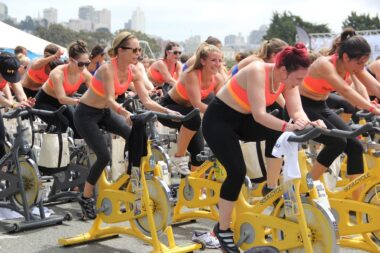

The Future of Fitness Trade Shows in a Digital Era
In the fitness industry, trade shows and expos have long been pivotal platforms for showcasing innovations. As the world moves deeper into the digital era, these events are evolving. Attendees expect unprecedented levels of interactivity and engagement, driven by developments in technology. Virtual reality (VR) and augmented reality (AR) tools can create immersive experiences. These advanced tools offer a chance to try out fitness equipment virtually. Additionally, platforms like social media play a key role in shaping how these events are marketed. Live streaming options can dramatically enhance participation and engagement. This is especially relevant when considering global audiences. People unable to attend in person can still engage remotely. Event organizers are increasingly using apps to improve attendee experience. These apps can facilitate networking, schedule management, and more. Thus, the fitness expo landscape is reshaping itself. Trade shows that embrace this digital transformation can attract a diverse audience and remain relevant. Continued innovation is essential for adaptation in a rapidly evolving marketplace. This changing dynamic challenges industry professionals to rethink strategies for success.
To remain competitive, fitness events must adapt to changing consumer behaviors and preferences. The rise of online fitness platforms has redefined how consumers access workouts and content. With more people turning to online courses and virtual trainers, traditional events need reimagining. This does not mean in-person gatherings will disappear, but they will transform to cater to hybrid models. Hybrid events encompass both in-person interactions and digital components, allowing broader participation. By integrating live streaming with physical presentations, fitness expos can enhance audience engagement. Furthermore, speakers and trainers can connect with attendees worldwide, not limited to one location. Attendees benefit from diverse training modules and expertise in various formats. There is also the potential for greater interaction through Q&As—both in person and virtually. Networking opportunities may expand beyond geographical constraints, fostering a global community. Moreover, feedback mechanisms can be implemented more efficiently using technology. Attendees can rate sessions in real time, allowing for immediate adjustments. In this evolving landscape, flexibility and adaptability are crucial for success in organizing these events pragmatically.
Innovations in Event Management
The management of fitness events is also undergoing significant changes, thanks to technology. Tools such as event management software streamline registration processes and allow planners to efficiently manage attendee information. These innovations help in reducing administrative burdens and improving user experiences. Event planners can analyze real-time data for better decision-making in regard to logistics and event strategies. Understanding attendees’ preferences using structured data can lead to tailored marketing and program offerings. Notifications and updates can be easily sent through mobile apps, ensuring that participants don’t miss essential information. Furthermore, gamification elements can be introduced into fitness expos. Incorporating challenges and rewards can enhance the overall engagement of attendees. Encouraging participants to connect through fitness challenges or social sharing adds another layer of interaction. Safety protocols, including contactless registration and health monitoring, are now crucial due to recent global events. Embracing these innovations not only prepares organizers for the future but also impacts the overall attendee experience positively. Event managers that prioritize such technological improvements can increase event satisfaction while minimizing operational hitches.
Networking continues to be a cornerstone of fitness expos, supported by both traditional and modern approaches. Attendees value the opportunity to meet industry professionals, fellow fitness enthusiasts, and potential business partners. In this digital era, the integration of online networking tools can be a game-changer. Creating forums or online discussion boards facilitates deeper connections before, during, and after events. Attendees can arrange meet-ups through event apps that enhance collaboration beyond the event duration. Informal gatherings and workshops can promote richer interactions. Collaborative opportunities might arise from these connections. They also bridge the gap between exhibitors and fitness aficionados, fostering discussions on trends and innovations. Such interactions are invaluable in a rapidly evolving fitness industry. Additionally, guest speakers and industry leaders can hold exclusive Q&A sessions to inspire potential entrepreneurs. Seeking mentorship opportunities can significantly benefit newcomers in fitness. Exhibitors can also harness these opportunities to gather feedback, enhancing their offerings. As a result, events become a rich hub for both networking and knowledge sharing, driving innovation in the fitness space effectively.
Market Trends and Consumer Preferences
Understanding market trends in the fitness industry is vital for a successful expo. As wellness becomes more integrated into daily lifestyles, fitness events must cater to diverse demographics. Events targeting niche markets can attract specific audiences passionately, such as outdoor enthusiasts or wellness advocates. Including wellness-focused workshops promotes a holistic approach; therefore, fitness on its own includes mental and emotional health. These considerations warrant addressing emerging genres in fitness. Increasing interest in activities like yoga, Pilates, and martial arts highlights changing consumer preferences. Incorporating globally recognized fitness trends can be beneficial for organizers. Furthermore, emphasizing inclusivity in event offerings fosters accessibility and community connection. Fitness is for everyone regardless of age, background, or ability. Reaching diverse audiences requires market research to identify broad interests. This ensures event programming aligns with attendee expectations. Marketing strategies should reflect these trends, utilizing channels preferred by targeted segments. Engaging promotional activities can include pre-event challenges that stir excitement. Ultimately, adaptive strategies focusing on current market needs will drive attendance, making fitness expos more relevant and successful.
In conclusion, the role of technology in fitness trade shows cannot be overstated. Understanding this evolution can guide professionals in creating impactful expos. Emphasizing interactivity and engagement increases attendee satisfaction and drives loyalty. The shift towards digital does not negate the importance of personal connections made at physical events. Instead, it enhances and extends them beyond the venue. By implementing innovative solutions, organizers can foster deeper engagement while accommodating broader audiences. Moreover, adjusting programming to incorporate market trends and consumer preferences will likely yield positive outcomes. Rethinking traditional approaches allows for more authentic interactions, creating lasting memories for participants. Ultimately, combining digital advancements with the timeless value of face-to-face networking is key. This evolution establishes fitness trade shows not merely as events but as dynamic experiences. Expecting continuous transformation is essential to ensuring relevancy in the fitness arena. In summary, fitness expos are poised to adapt, innovate, and thrive as the landscape shifts. Success lies in embracing new ideas, technologies, and approaches, ultimately enriching the experience for everyone involved in the fitness community.
To truly understand the future of fitness trade shows, it’s crucial to focus on potential challenges as well. While technology enhances many aspects, it also brings about competition from online platforms that provide similar benefits. Attendees may opt for virtual experiences over physical events, leading to a decline in attendance at traditional expos. Striking a balance between online and on-site interactions will be crucial for organizers to retain this audience. Furthermore, ensuring that in-person events maintain their unique charm is imperative. Exclusively online platforms can inadvertently create a sense of anonymity in interactions, unlike physical events fostering personal connections. Fitness expos need to continually evolve while evaluating the effectiveness of hybrid models to ensure valuable experiences. It’s vital to listen to attendee feedback to make necessary adjustments for future events. Additionally, economic factors can influence attendance. Budget constraints may dissuade potential participants from attending live events, especially if virtual alternatives are available for free. Despite these challenges, adaptable organizers can navigate the shifting landscape by innovating their offerings. Ensuring that fitness trade shows remain exciting and relevant is essential in this fast-paced digital age.
The fusion of technology and physical presence in fitness trade shows signals exciting possibilities. Integrating digital experiences enhances engagement, crafting a dynamic environment for presenters and attendees alike. Virtual tools create opportunities for intricate product demonstrations, accessible to a wider audience. By bridging gaps, online platforms streamline participation. This enables presentations, discussions, and training sessions accessible from global corners. These elements empower fitness professionals to share knowledge without borders. Furthermore, offering on-demand content can keep the conversation going post-event. Participants can revisit sessions that piqued their interest, making it an ongoing learning journey. It’s an excellent method for retaining engagement long after the expo concludes. Additionally, networking opportunities through virtual chat rooms and forums can continue, sustaining connections made during the event. This continued engagement greatly enhances post-event follow-ups. Fitness trade shows should not just be seen as isolated events but ongoing relationships with attendees. Ultimately, the evolving dynamics show that fitness expos can combine the best of both worlds—physical interactions and digital engagement. This synergy creates a lasting impact, making the fitness community feel more connected and engaged with innovations in the industry.