
Intermittent Fasting Tips for Maintaining Healthy Skin
Intermittent fasting, a dietary approach that alternates between periods of eating and fasting, has gained popularity not only for weight management but also for its potential benefits on skin health. One of the key aspects of this method is that it allows the body time to repair and rejuvenate. During fasting, several physiological processes occur, including cellular repair and autophagy. This natural cleansing process can contribute to more vibrant and clearer skin. Furthermore, fasting might help reduce inflammation, a common factor in many skin conditions, leading to improved complexion. Reports suggest that incorporating intermittent fasting may also help enhance skin elasticity. However, understanding how to effectively combine fasting with dietary choices is crucial. It’s not just about skipping meals; quality nutrition plays a significant role in how fasting affects skin health. Consider choosing nutrient-dense foods during eating periods to nourish the skin. Hydration is emphasized too; drinking plenty of water can aid in maintaining skin moisture, which helps to combat dryness. Thus, intermittent fasting not only aids in weight loss but can potentially transform your skin into a healthier and more radiant version.
Another important aspect of intermittent fasting is the influence of time-restricted eating on hormonal balance. For instance, fasting can lead to an increase in human growth hormone (HGH) levels, which is linked to improved skin elasticity and firmness. Elevated HGH levels promote collagen production, essential for maintaining youthful-looking skin. This process benefits the overall skin structure, providing a more toned appearance. Additionally, insulin sensitivity is improved during fasting. Insulin plays a role in skin health as well; too high insulin levels can lead to skin issues like acne. By regulating insulin levels through intermittent fasting, you may reduce the likelihood of breakouts. Moreover, fasting can help lower oxidative stress in the body, an important factor contributing to premature aging. Foods rich in antioxidants, which should be consumed during eating phases, can support this protective effect. Opting for berries, nuts, and green leafy vegetables provides essential nutrients that combat oxidative damage. In conclusion, combining periodic fasting with antioxidant-rich foods can amplify the skin’s health benefits, leading to a more beautiful reflection in the mirror.
The Role of Hydration in Skin Health
Hydration plays a pivotal role in skin health, especially when combined with an intermittent fasting approach. During fasting periods, while food intake is limited, it remains essential to maintain fluid intake. Water not only keeps the skin hydrated but also supports overall bodily functions. Dehydration can lead to a dull complexion, accentuating fine lines and wrinkles. Therefore, aiming for adequate water consumption during eating windows is crucial for revitalizing skin health. Additionally, enhancing hydration can maximize the benefits of intermittent fasting. For an extra boost, consider incorporating hydrating foods such as cucumbers, watermelon, and oranges. These fruits and vegetables are not only refreshing but also packed with vitamins and minerals that contribute to skin vitality. Furthermore, herbal teas and broths can be excellent alternatives for hydration, and they provide additional antioxidants to help fight free radicals. Balancing hydration during intermittent fasting not only improves skin appearance but boosts overall health as well. Therefore, consistently prioritizing hydration is vital to achieving the desired results from fasting for skin rejuvenation. A well-hydrated body reflects a vibrant, youthful complexion.
Maintaining a consistent skincare routine is equally important when practicing intermittent fasting. This routine should align with the fasting schedule to enhance the skin’s response to dietary changes. During fasting periods, refrain from overwhelming the skin with heavy cosmetics or harsh treatments. Instead, embrace a minimalistic approach. Focus on gentle cleansers and hydrating moisturizers to restore balance. After fasting periods, this is an ideal time to nourish the skin with serums and treatments packed with vital nutrients. Products containing hyaluronic acid, vitamin C, and retinoids can be particularly beneficial. These ingredients support skin regeneration and combat signs of aging. Additionally, consider incorporating natural oils, such as jojoba or argan oil, which can provide essential fatty acids and moisture. In combination with an optimized diet, your skincare regimen will play a significant role in achieving desired outcomes. When done correctly, intermittent fasting can become a holistic approach to improving skin health. Hence, never overlook the importance of skincare as you incorporate fasting into your lifestyle. A thoughtful routine can seamlessly enhance the fasting experience, ensuring that your complexion remains bright and fresh.
Nutrition During Eating Periods
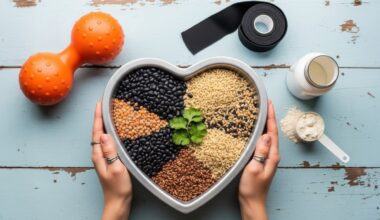
The foods you consume during eating periods greatly influence the benefits you’re likely to achieve while practicing intermittent fasting. It’s essential to prioritize foods that are rich in nutrients and antioxidants. A diet full of colorful fruits and vegetables can provide the vitamins necessary for skin repair and regeneration. Incorporate sources of healthy fats, such as avocados and walnuts, which are proven to nourish the skin from within. Protein is equally crucial because it promotes collagen synthesis; consider lean meats, beans, and legumes as excellent choices. Additionally, ensure you’re getting enough zinc and selenium from seeds and nuts, as these minerals play roles in skin healing and protection against sun damage. Staying away from processed foods and sugars is also advisable, as they can negatively influence skin appearance, leading to issues like acne and premature aging. Whole grains and fiber-rich foods should form the foundation of your meals to support gut health, which directly influences skin condition. Together, these dietary choices can transform your fasting experience into a nourishing and revitalizing journey for your complexion.
Lastly, it is vital to listen to your body when practicing intermittent fasting and monitoring its impact on both well-being and skin health. Not everyone responds the same way to fasting; some may experience clearer skin, while others might have initial breakouts or irritation. It’s crucial to approach fasting with flexibility and to assess how your skin reacts to it. If you notice any adverse reactions, consider adjusting your fasting schedule or eating patterns. Taking note of skin changes, such as increased dryness or oiliness, can help determine if you need to tweak your routine further. Also, remember that the effects of intermittent fasting on skin health can take time to manifest, so patience is required. Ensuring a relaxing lifestyle, managing stress levels, and getting adequate sleep will complement your fasting efforts in enhancing skin health. Consistency in efforts concerning diet, hydration, skincare, and lifestyle choices will yield long-lasting results. With determination and care, intermittent fasting can significantly contribute to achieving glowing, healthy skin.
Conclusion on Intermittent Fasting and Skin Health
In conclusion, intermittent fasting presents a myriad of potential benefits for skin health when practiced wisely. The convergence of enhanced nutrient absorption, hormonal balance, hydration, and skincare creates a robust foundation for maintaining a youthful complexion. By allowing your body to rest from constant digestion, you enable the skin to repair and rejuvenate effectively. Coupled with a nutrient-dense diet, proper hydration, and skincare regimen, intermittent fasting becomes a powerful ally in achieving fantastic skin. Achieving results may require adjustments and careful listening to your body’s needs and reactions. To embark on this journey, set realistic goals and build a balanced approach that prioritizes health over anything else. Gradually introduce various fasting schedules, monitor your skin’s response, and adapt accordingly. Consult healthcare professionals if unsure about paths to take in combining fasting with skincare. With persistence and positive habits, you can unlock a vibrant complexion reflecting inner health. Truly, intermittent fasting is not just about food; it’s about cultivating a healthier lifestyle that includes nourishing your skin and mind over time.
Additional resources for tips and guidance on implementing intermittent fasting for skin health can be found on reputable health websites such as Healthline. Be sure to explore suggested meal plans and learn about foods that support skin health while intermittent fasting.