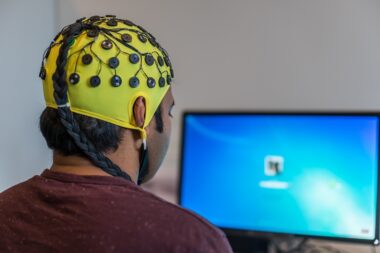

Mind-Body Harmony: Exploring the Science of Biofeedback and Neurofeedback
The concept of the mind-body connection has gained considerable attention in recent years, particularly in fields like psychology and medicine. This interconnectedness emphasizes how mental processes and physiological responses influence one another. Biofeedback and neurofeedback are two powerful techniques used to foster this connection. In essence, biofeedback involves using real-time data to improve health and performance. Individuals learn to control physiological functions, such as heart rate and muscle tension, through monitoring devices. Likewise, neurofeedback focuses on training brain activity using electroencephalography (EEG) signals. Participants learn to produce desired brainwave patterns that may improve their mental states and cognitive functions. Both methods rely on the principle of operant conditioning, where individuals receive immediate feedback about their body or brain activity. Over time, practitioners can optimize their physical and mental responses to various stimuli. By employing these techniques, practitioners can enhance their self-regulation abilities. Consequently, biofeedback and neurofeedback serve as a bridge between mind and body, striving for harmony and well-being. Such practices are increasingly seen as complementary to traditional medical therapies and mental health treatments.
The Mechanisms Behind Biofeedback and Neurofeedback
Understanding the mechanisms of biofeedback and neurofeedback can illuminate their effectiveness in promoting mind-body harmony. At the core of biofeedback is the feedback loop where physiological signals are captured and displayed in a way that is interpretable by the individual. These signals might include measures of heart rate variability, skin temperature, or muscle tension, allowing users to recognize their stress responses. Techniques such as breathing exercises, meditation, and relaxation therapies often accompany biofeedback sessions to assist users in modifying their responses. Neurofeedback, in contrast, utilizes real-time EEG data to provide a visual representation of brainwave activity. Clients learn to self-regulate brain function through gaming systems or visual displays. This self-regulation may lead to improvements in conditions like anxiety, ADHD, and PTSD. Research indicates that neurofeedback can enhance cognitive performance as users learn to increase their alpha or decrease their theta brainwave patterns. Ultimately, both techniques underscore the importance of self-awareness and the ability to influence one’s physiological state as pivotal for achieving a balanced mind-body relationship.
Individuals utilizing biofeedback and neurofeedback often report significant improvements in various health issues. For example, many people successfully use these techniques to manage chronic pain conditions such as migraines and fibromyalgia. Data suggests that chronic pain sufferers can benefit from increased awareness of bodily signals. This awareness facilitates anticipatory responses enabling better pain management strategies. Additionally, athletes are increasingly employing biofeedback methods to enhance their performance by cultivating higher resilience and focus. By learning how to control their physiological state, athletes can optimize their mental condition and physical efficiency during competitions. Neurofeedback has also been instrumental in managing attention-related disorders, such as ADHD. Studies suggest that children undergoing neurofeedback training display increased focus and reduced impulsivity. Likewise, adults experiencing anxiety or stress have found relief and improved emotional regulation through these techniques. These outcomes highlight the ways biofeedback and neurofeedback not only serve therapeutic purposes but also enhance daily functioning and performance. As the approaches gain legitimacy in clinical practices, further research continues to explore their scope regarding mental and physical health benefits.
Applications in Mental Health Treatment
As mental health continues to face significant challenges globally, biofeedback and neurofeedback offer promising adjunct therapies. Current mental health issues affecting millions of individuals can be addressed through these methods. For instance, anxiety, depression, and PTSD are increasingly treated using neurofeedback training techniques. Participants in clinical settings can learn to modify their brainwave activities, thereby fostering relaxation and improved mood states. Additionally, biofeedback methods assist those facing stress management challenges, potentially enhancing overall quality of life. Working from within the principles of self-regulation, individuals can facilitate their path toward mental stability. Recent clinical trials highlight the potential for deeper and sustained progress; patients report enhanced resilience, mindfulness, and emotional control. Incorporating these techniques into existing therapeutic frameworks demonstrates a holistic approach. Such an approach not only aids in symptom reduction but fosters personal growth and self-awareness. Moreover, mental health professionals are encouraged to integrate biofeedback and neurofeedback within treatment frameworks. By doing so, they can capitalize on evidence-based practices that collectively support client well-being and recovery pathways.
Biofeedback and neurofeedback practices have gained traction not only in clinical settings but also among everyday individuals seeking enhanced well-being. These methods can be easily integrated into various wellness regimes, including yoga and meditation practices, which emphasize mindfulness and body awareness. For those exploring self-improvement, fitness tracking apps can provide low-tech alternatives to formal biofeedback systems by offering insights into bodily states during physical activities. Furthermore, neurofeedback protocols have begun to permeate wellness centers, encouraging individuals to pursue better mental states outside clinical environments. An emerging trend involves using neurofeedback in virtual reality contexts, creating immersive settings for enhanced engagement and effectiveness. Clients are drawn to the whimsical experience that VR provides during their training sessions. Such integration enhances the overall effectiveness of the training process. Likewise, educational institutions are now exploring how neurofeedback can be utilized to support students in managing stress and improving focus during exams or high-pressure situations. As understanding and acceptance of these techniques grow, we can expect wider applications and innovations across various sectors aiming to improve mind-body connections.
The Future of Biofeedback and Neurofeedback
Looking ahead, the future of biofeedback and neurofeedback appears promising and filled with potential advancements. Technological innovations continue to enhance the accuracy and accessibility of these techniques. Wearable devices are becoming increasingly sophisticated, allowing users to engage with biofeedback in real time throughout their daily lives. These advancements make it easier for individuals to monitor their physiology without professional supervision. As personalization becomes more prevalent, biofeedback systems are evolving to offer tailored experiences to meet individual needs. Additionally, integration with Artificial Intelligence can optimize training sessions by providing personalized feedback. Currently, research is ongoing to improve the efficacy of neurofeedback therapies by refining the training protocols required for specific mental health conditions. As awareness of mental health issues grows, more individuals are likely to seek out these preventative techniques before crises arise. Further interdisciplinary collaborations can establish standard protocols that enhance the credibility and acceptance of biofeedback and neurofeedback within mainstream healthcare systems. Ultimately, the goal remains to foster improved mind-body connections through ongoing research and integration into holistic wellness practices.
In conclusion, biofeedback and neurofeedback represent powerful tools for exploring the mind-body connection. Their focus on self-regulation and awareness empowers individuals to take an active role in their well-being. Insights gained through the use of these techniques promote healthier physical responses and optimal mental functioning. As these practices become more widely embraced across various platforms, there is excellent potential to enhance both personal and collective health. Biofeedback and neurofeedback techniques can bridge the gap between traditional medical approaches and holistic wellness therapies. They emphasize personal responsibility in achieving mental and physiological states that lead to balanced living. Additionally, continued research, along with emerging technologies, promises to expand their application in diverse fields beyond mental health. Future generations may harness these concepts to navigate the challenges in their lives more easily. Achieving mind-body harmony through ongoing exploration allows individuals to flourish personally and collectively. This synergistic relationship between the mind and body signifies a broader understanding of the individuality of human experiences, contributing to a society geared towards more profound healing and enhanced quality of life.
From chronic pain management to improved cognitive functions, biofeedback and neurofeedback empower users to take control of their physical and mental health like never before. These techniques exemplify the idea that with awareness comes the power to change. The ongoing development in the field aims to open further doors in terms of versatility and application, leading to an increased societal acceptance of these practices as valuable resources. With an ever-growing appreciation for the intricacies of human wellness and performance, combining scientific research, cutting-edge technology, and traditional practices will foster a comprehensive health paradigm. More people than ever before are awakening to the significance of their physiological states in terms of emotional and mental ramifications. By mastering the intricacies of the mind-body connection, individuals are empowered to create a life of balance, purpose, and fulfillment. Such transformative practices as biofeedback and neurofeedback will undoubtedly contribute to evolving narratives surrounding personal health and wellness. Consequently, they hold the potential for widespread application in clinical, educational, and professional contexts leading to broader societal shifts toward holistic well-being. By blending ancient wisdom with modern techniques, humanity can embrace a future reflecting the fullness of our mind-body connections.