
Walking for Seniors: Simple Steps to Better Health
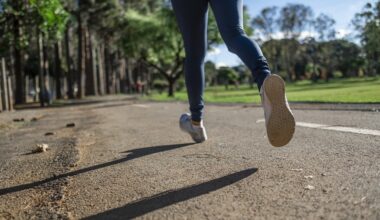
Walking is an essential activity that facilitates better health, especially for seniors. Engaging in this simple yet effective exercise provides numerous physical, mental, and emotional benefits. First, walking as a form of exercise is easily accessible. Seniors do not require complex equipment or memberships to partake in this enjoyable activity, as it can be done almost anywhere. Additionally, walking is low-impact, which means it can minimize stress on joints and reduce the risk of injury. For many older adults, engaging in this moderate-level activity is a viable way to maintain fitness and strength. Staying active through walking can help enhance cardiovascular health, improve circulation, and strengthen bones. Furthermore, regular walking promotes better weight management and can aid in overcoming health concerns such as high blood pressure and diabetes. Moreover, a consistent walking routine fosters positive mental health, reducing symptoms of anxiety and depression while promoting feelings of well-being. Social walking groups can aid in fostering connections, preventing isolation, and enhancing the overall quality of life for seniors.
One of the most appealing aspects of walking is its flexibility. Seniors can customize their routines based on personal schedules, preferences, and health conditions. This accommodating format enables individuals to enjoy the outdoors, experience nature, and appreciate their surroundings. It’s essential to choose a safe environment for walking, such as local parks, neighborhood sidewalks, or indoor tracks. Prior to starting, seniors should consult with their healthcare providers to assess suitability, especially for those with underlying health conditions or mobility challenges. It is vital to begin with manageable distances and gradually increase intensity as comfort levels improve over time. Walking at a steady pace can enhance stamina, while varying speeds can add a fun challenge. Proper footwear is crucial; seniors should invest in supportive shoes specifically designed for walking to prevent discomfort and potential injuries. Staying hydrated is also vital, particularly during warmer months, and seniors should carry a water bottle while walking. Lastly, incorporating proper warm-up and cool-down routines can further contribute to safe walking practices.
Benefits of Walking
Walking has diverse benefits that contribute significantly to seniors’ health. Regular walking can improve cardiovascular health, enhancing heart function and reducing the risk of heart disease. Furthermore, walking effectively boosts stamina and decreases fatigue levels, allowing seniors to perform daily activities with more ease. Additionally, good posture and balance are enhanced through walking, which in turn decreases the likelihood of falls, a common concern for older individuals. Beyond physical health, walking promotes mental well-being and emotional resilience. The rhythmic nature of walking releases endorphins, reducing feelings of stress and helping combat depression and anxiety. Importantly, accompanying friends or family on walks fosters social connections, enriching both emotional health and overall happiness. Walking also encourages seniors to participate in their communities, whether joining walking groups or visiting local parks. Engaging in such activities brings about a heightened sense of belonging and purpose. Furthermore, the simplicity of walking allows for mindfulness, encouraging seniors to focus on their surroundings, thus offering moments of reflection and peace. In a world filled with fast-paced lives, walking offers seniors a chance to slow down and appreciate life.
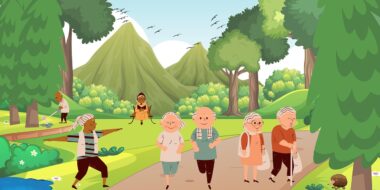
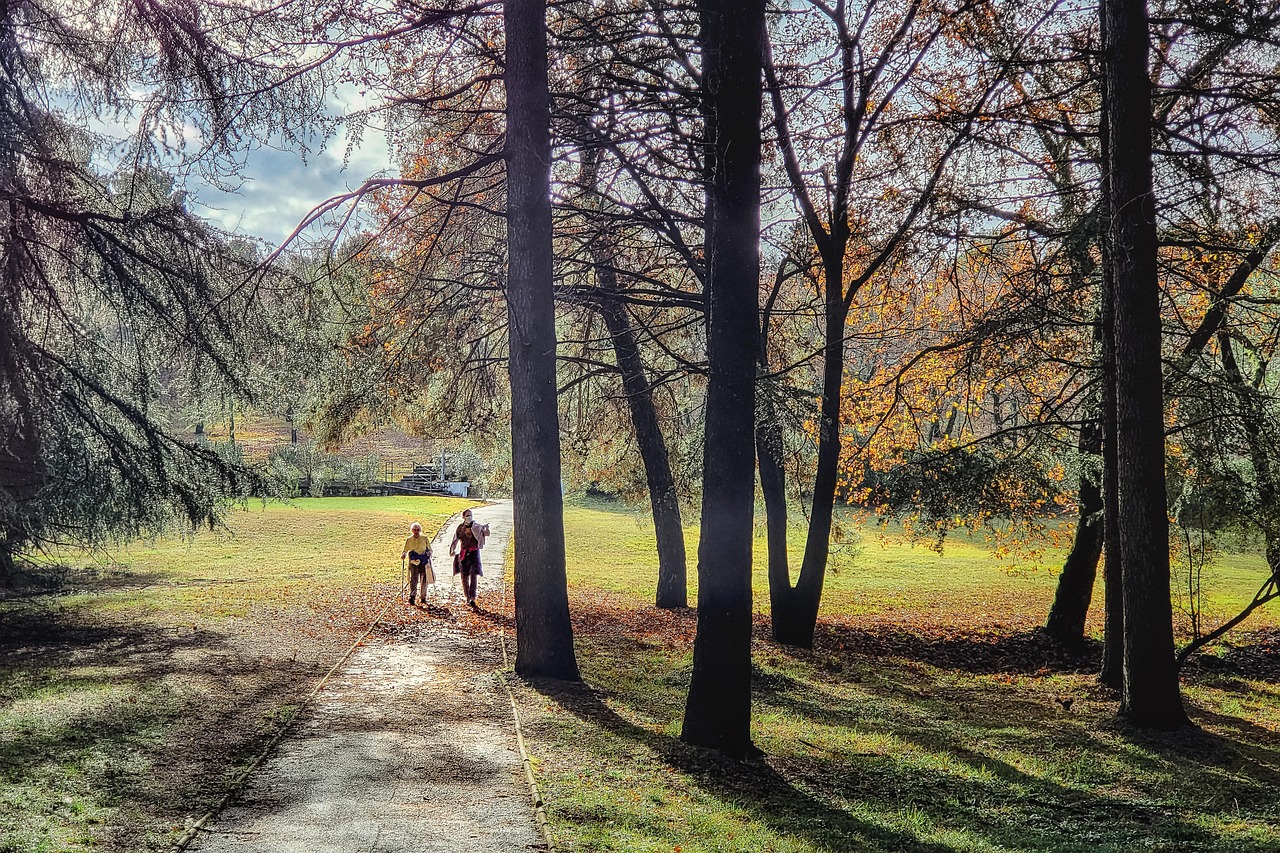
Seniors can enhance their walking experience by incorporating a few additional elements. For example, they can consider using walking aids like trekking poles for extra stability or support if needed. These tools not only provide balance but also engage the upper body and enhance workout intensity. Moreover, seniors might choose to explore various scenic routes or nature trails while walking. Such environments can significantly boost motivation and enjoyment. To further enrich the experience, seniors could listen to music or audiobooks while walking; an intriguing playlist or a captivating story can make longer distances feel shorter and more enjoyable. Additionally, incorporating short intervals of brisk walking can increase the intensity, offering greater cardiovascular benefits. Seniors should listen to their bodies and be aware of signs of fatigue or discomfort. Having a walking buddy also provides accountability and companionship, making walks more enjoyable while ensuring safety. Pairing these practices can lead to an overall improved experience that adds excitement and motivation to regular walking routines. Ultimately, consistent engagement in walking sets seniors on a path toward better health and wellness, enhancing their quality of life overall.
Setting Walking Goals
Establishing realistic and achievable walking goals is crucial for seniors looking to improve their health. It is essential to set specific targets, which might include the distance covered or the duration of walking sessions. For instance, starting with a 10-minute walk three times a week can be quite manageable for many seniors. As they feel more comfortable, this can gradually increase to longer walks or more frequent sessions. Keeping a walking log or using a pedometer to track steps can provide motivation and a sense of accomplishment. It is also beneficial to allow for variations in routine, such as adding different locations, walking styles, or terrains. Setting goals should be individualized, considering each senior’s abilities, preferences, and health conditions. These goals must remain realistic; setting overly ambitious milestones might lead to discouragement. Creating achievable challenges fosters a positive mindset toward regular walks and promotes perseverance. In addition, seniors can reward themselves for reaching milestones, whether through personal treats or sharing achievements with loved ones. This approach cultivates enjoyment and commitment to a healthy walking lifestyle.
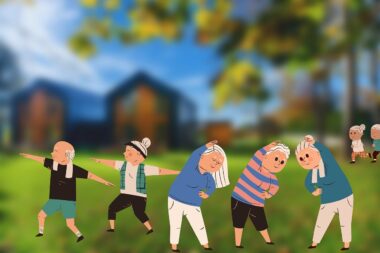
Incorporating stretching and strengthening exercises into a walking routine can significantly enhance flexibility and muscle strength. Performing light stretches before and after walking warm up and cool down the muscles, preparing them for physical activity and aiding recovery afterward. Simple exercises targeting hip flexors, hamstrings, and calves are particularly effective. Additionally, framing walking as a comprehensive exercise plan could lead to better health outcomes. Strength training twice a week enhances walking endurance, promotes bone health, and increases muscle mass. Simple body-weight exercises, such as squats or seated leg lifts, can be performed at home with ease. This combination of walking, strength training, and stretching nurtures an overall active lifestyle that supports sustained health benefits. Maintaining an active routine involving diverse exercises helps combat the frailty often experienced in older age and contributes to overall independence. Moreover, incorporating variety is essential – possibly involving dancing, gardening, or even engaging in light aerobics alongside walking may bring excitement and joy. Ultimately, seniors seeking a pathway to vibrant health through walking must explore diverse activities and practices that cater to individual preferences and capabilities.
Conclusion: A Path to Well-Being
In conclusion, walking empowers seniors toward better health and well-being. Such a simple and enjoyable activity fosters both physical and mental benefits, making it a suitable choice for enhancing the quality of life. By establishing practical walking routines, setting achievable goals, and integrating complementary exercises, seniors can embark on their fitness journey with enthusiasm and commitment. The remarkable versatility of walking enables individuals to personalize their experiences and adapt them according to their unique needs. Whether strolling through a local park, taking a walk with friends, or tracking their steps with a pedometer, the opportunities for maintaining a healthy lifestyle through walking are endless. As seniors build a walking routine, the process can foster social connections, create moments of mindfulness, and promote overall well-being. Remember, it’s all about enjoying the journey and finding joy in every step taken. As health improves, so does the quality of life, making walking an invaluable part of any senior’s fitness regimen. Embracing walking as a cornerstone of wellness can lead to a fulfilling, vibrant, and healthier life.