
Balancing Convenience and Community in Hybrid Fitness Sessions
In today’s fast-paced world, hybrid fitness classes have gained immense popularity. They offer a unique blend of convenience and community, allowing participants to engage in effective workouts from anywhere. This format adapts well to various lifestyles, accommodating individuals who may prefer attending classes at home or in-person at a gym. By combining these two environments, hybrid classes provide greater flexibility and accessibility. Those with busy schedules can seamlessly fit exercise into their routines, whether through virtual sessions or live interactions. Moreover, hybrid classes often feature diverse formats, including yoga, Pilates, and high-intensity interval training (HIIT). Offering a wide selection of workout options means there’s something for everyone, ensuring every participant can find an activity they enjoy. The dual nature of these classes encourages camaraderie among members, fostering a sense of belonging. Participants can interact with instructors and fellow attendees, even from the comfort of their own homes. Thus, hybrid fitness classes create a comprehensive workout culture that promotes accountability as well. Striking this balance between convenience and community is essential for maintaining motivation and ensuring long-term adherence to fitness goals.
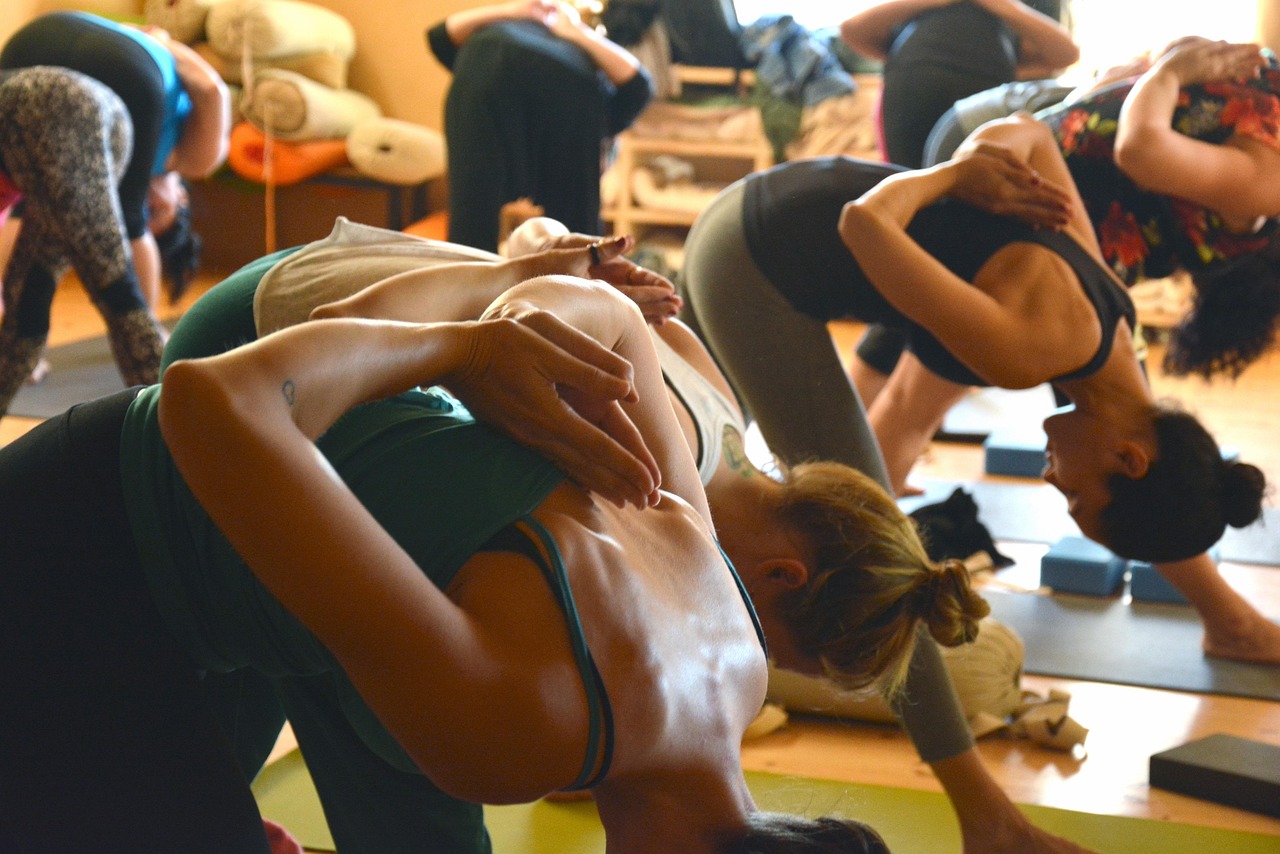
The community aspect of hybrid fitness classes is crucial for creating a supportive environment that encourages individual progress. Group exercise has long been known for its ability to motivate participants, while also fostering a sense of belonging among like-minded individuals. In a hybrid setting, instructors can engage with both in-person attendees and remote participants through live streaming. This inclusivity helps create a vibrant community atmosphere, promoting interactions through group chats and social media platforms. Regularly scheduled classes nurture connections as individuals participate and share experiences surrounding their fitness journeys. Therefore, hybrid fitness classes not only promote physical well-being but also address mental health and socialization needs. Participants often find new friendships in this supportive environment, which can enhance commitment levels and improve retention rates. Mental health benefits in group settings can lead to decreased feelings of isolation, making hybrid classes appealing to many. Furthermore, the support derived from community members can inspire accountability and encouragement. This social dimension serves as a motivating factor that drives participants to show up for classes and remain engaged in their fitness routines.
Hybrid fitness classes leverage advanced technology to bridge the gap between in-person and virtual experiences. Many participants are discovering that comprehensive platforms can enhance their fitness experiences. Applications and software allow real-time interaction, enabling instructors to connect with attendees no matter where they are. This technology enhances the experience, providing live feedback and personalized guidance. Participants can easily access class schedules, workout resources, and nutrition tips through their devices, enhancing their overall commitment to fitness. Additionally, on-demand workouts allow individuals to engage with specific classes whenever they find time in their busy schedules. Flexibility and convenience are paramount in today’s fitness landscape. Those who cannot make it to classes physically can still participate fully in their required sessions. This hybrid model fosters a sense of independence and personal responsibility, motivating participants to stay aligned with their fitness goals. Moreover, technological advancements mean that instructors can tailor the workouts to address diverse fitness levels and preferences. Personalization is key to ensuring everyone gets the most out of their hybrid fitness experience, making classes accessible and effective for all participants.
The Role of Instructors in Hybrid Classes
Instructors play a pivotal role in the success of hybrid fitness classes. Their ability to engage participants and adapt to different environments is essential for maintaining a dynamic atmosphere. Competent instructors will master the art of leading both in-person and virtual attendees, ensuring that everyone receives proper attention during workouts. They can provide instant feedback, encouragement, and modifications to suit various fitness levels. These adaptions create an inclusive experience that enhances the overall workout for every participant. Furthermore, effective instructors will foster a welcoming space that promotes interaction and engagement among class members. When participants feel connected and understood, they are more likely to return to class consistently. Instructors can also utilize various teaching techniques to keep both remote and in-person participants engaged, regardless of challenges presented by their environments. For instance, incorporating interactive elements such as challenges or allowing live Q&A sessions can elevate the overall experience for participants in both settings. By ensuring that no one feels left out, instructors can cultivate a dynamic environment that helps foster community and motivation among attendees.
Adopting a hybrid fitness model opens up unique advertising opportunities for gym owners and fitness professionals. These formats can be marketed effectively to attract a diverse audience, stretching beyond geographical boundaries. By advertising both in-person and virtual classes, fitness facilities can reach a wider range of potential participants. Social media platforms provide invaluable channels for promoting hybrid classes, allowing for targeted campaigns that resonate with various demographics. Engaging content such as workout snippets, testimonials, and success stories can entice prospective members, showcasing the benefits of joining. Furthermore, highlighting unique aspects, like specialized programs or themed classes, can elevate interest levels further. Promotions and special offers can also serve to attract new registrations, ensuring consistent class attendance. Potential attendees are generally more likely to respond to offers on flexible membership packages, appealing to the needs of attendees uncertain about committing to long-term contracts. Ultimately, using inventive marketing strategies can help fitness ventures thrive in a competitive landscape. The improved visibility gained through hybrid offerings allows gym owners to cater to evolving consumer demands.
As the demand for hybrid fitness classes grows, it becomes essential to ensure that quality remains a priority. Providing high-caliber instruction that encompasses both safety and effectiveness is vital for participants’ satisfaction. The evaluation of instructors’ performance through regular assessments can guarantee the professional development of instructors. Offering ongoing education and training, including workshops on emerging fitness trends, can help instructors stay updated and engaged. Moreover, integrating feedback from attendees can further refine class offerings, tailoring workouts to meet participants’ preferences. By addressing classes based on participants’ needs and sharing successes, instructors can build meaningful relationships with members. Quality experiences in hybrid fitness classes can lead to increased overall satisfaction and retention rates. Flexible workout options, combined with supportive communities and excellent instruction, create an environment which participants are likely to continue benefiting from. Ensuring positive experiences within hybrid formats is paramount for long-term success, contributing to participants adhering to their fitness journeys diligently. A focus on quality can foster loyalty, ultimately impacting the reputation of fitness establishments.
Future Trends in Hybrid Fitness
The future of hybrid fitness classes appears promising as trends continue to evolve. Virtual and augmented reality may soon play significant roles in enhancing workout experiences. These technologies can introduce immersive elements to fitness classes, allowing participants to feel more engaged during sessions. Additionally, incorporating artificial intelligence-driven coaching can personalize workouts even further. Using data analytics to tailor individual sessions based on performance levels can optimize results. Future hybrid classes may also see an increase in partnerships between fitness brands and technology companies. This cooperation could lead to the development of innovative tools to assist participants in achieving their fitness goals more effectively. Moreover, wellness trends, including mindfulness and mental health integration, are gaining traction in fitness classes. Hybrid sessions that emphasize holistic wellness and self-care will garner increasing popularity among attendees. Such classes promote comprehensive well-being, addressing physical, emotional, and mental health needs. The competitive landscape encourages fitness providers to embrace these emerging trends, ensuring they continually adapt to meet participants’ evolving expectations.
Overall, hybrid fitness classes represent a significant evolution in the fitness industry, blending convenience and communal motivation. This model has responded dynamically to consumer preferences and lifestyle changes brought about by technological advancements and global events. With its ability to offer interaction and engagement alongside the aforementioned aspects, hybrid sessions provide an appealing option for a broad audience. This innovative approach not only attracts new members to facilities but also retains existing participants by encouraging consistency and commitment to fitness. As society continues to balance work, life, and wellness, hybrid fitness classes will be essential for meeting diverse consumer needs. The successful integration of various elements, such as community, technology, and innovative marketing strategies, will undoubtedly influence future trends and opportunities in fitness. Combining flexibility with inclusivity, hybrid classes will shape the future of fitness, promoting healthier lifestyles for all individuals. Embracing ongoing changes while continuously optimizing experiences will remain vital for fitness professionals and participants alike. The ultimate goal lies in elevating the overall quality of fitness experiences, ensuring that everyone finds joy and fulfillment in their fitness journeys.