
Balance Training Equipment for Seasonal Workouts
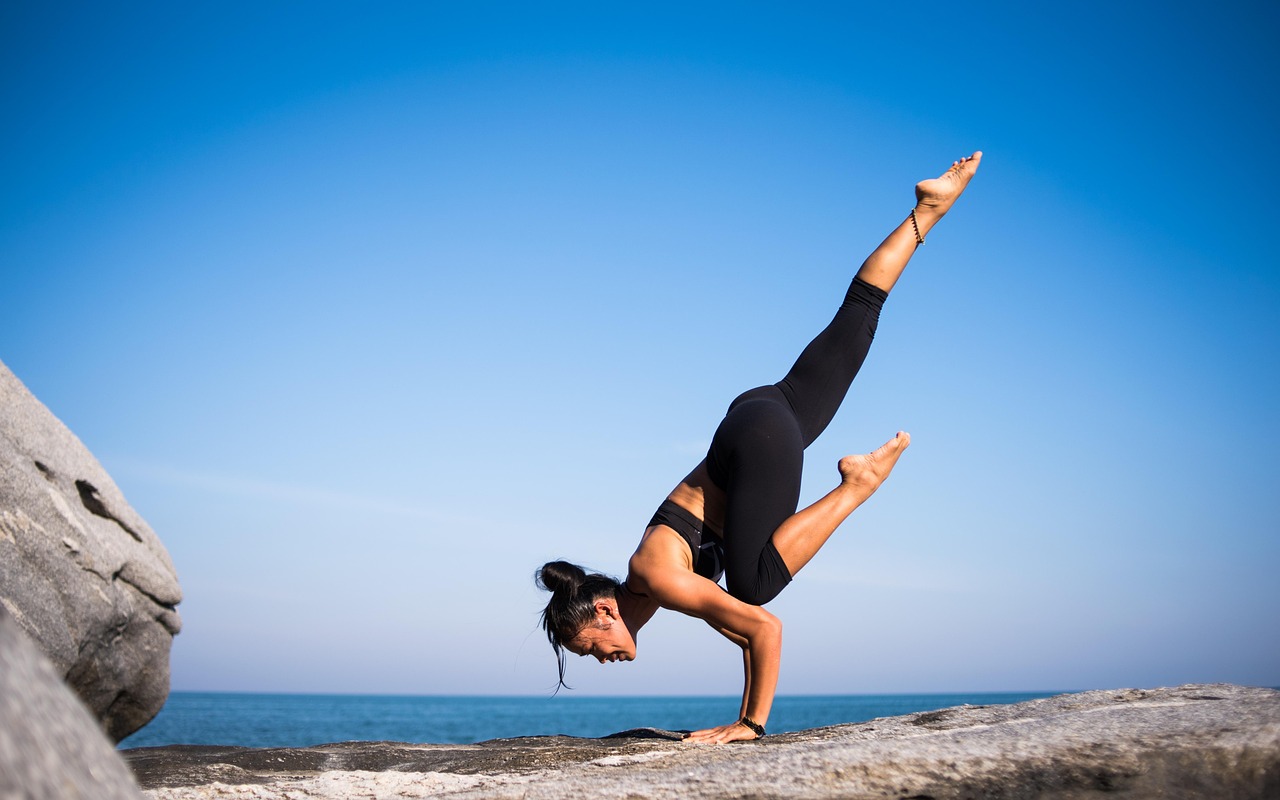
Balance training is an essential component of both summer and winter workout regimes. Engaging in balance activities not only enhances physical stability but also improves coordination. Various equipment options are available to facilitate effective training, perfect for adapting to seasonal conditions. For summer training, consider using challenges like balance boards, stability balls, or single-legged exercises. They assist in strengthening the core muscles while promoting overall balance. In contrast, winter fitness can be complemented with items such as ice skates or snowshoes, all demanding increased awareness of your body’s position. Additionally, weighted vests are excellent for enhancing resistance during balance training. Combining these elements will lead to enhanced performance, regardless of the season. Always remember to begin with a warm-up to prepare your muscles. This is vital to avoid potential injuries while performing balance exercises. If unsure where to begin, consider enlisting the help of a trainer for advice. Investing time in learning how to use equipment properly can lead to safer and more effective workouts, resulting in improved balance, core strength, and coordination throughout the year.
One popular piece of balance training equipment is the stability ball. This inflatable ball can be utilized in various exercises to improve core strength and enhance stability while performing movements. When you include a stability ball in your workout routine, various dynamic movements can increase your overall strength. Squats, planks, and even modified push-ups can be performed on the ball, forcing your body to stabilize. Another option to consider is the BOSU balance trainer, which combines a flat platform with an inflatable dome. This versatile tool allows for both strength and balance exercises. You can utilize it for squats, lunges, or even for playful activities like balancing games with friends. The environment you train in matters, too. Utilizing grass surfaces during the summer can challenge your balance while decreasing the risk of injury. For winter workouts, training in a gym or on an indoor track maximizes safety but may limit certain practices. Regardless, testing your balance in various environments can translate into enhanced stability during outdoor activities, thus preparing you for every seasonal adventure.
Importance of Core Strength
The backbone of effective balance training lies in your core strength. Engaging your core helps in stabilizing your entire body. Improved core strength not only enables better performance of physical activities but enhances overall posture as well. This is crucial when engaging in seasonal sports, where your core plays a pivotal role in maintaining balance. Start with fundamental exercises focusing on the abdominal muscles. Try variations such as planks, sit-ups, or even a simple yoga routine specializing in core workouts. These foundational movements set the groundwork for more advanced balance activities. As you build strength, consider varying the intensity, such as incorporating weights or resistance bands. Additionally, focus on your breathing while performing these exercises; it enhances your stamina and core engagement. Over time, you will notice improvements in your balance, coordination, and overall performance in summer and winter sports. Before long, you will have the ability to take on various challenges. Also, don’t forget to include stretching exercises which are equally beneficial. Maintaining flexibility complements strength and ensures long-term success in balance training.
Whether you push through winter hiking trails or navigate busy summer soccer fields, feet play a crucial role in maintaining balance. Footwear can significantly influence your ability to stay steady on various surfaces. When selecting shoes, consider factors such as grip and support to enhance stability while you move. Summer provides a great opportunity to enjoy training outdoors, promoting balance on fluctuating terrains. Opt for shoes with excellent traction to assist you on slippery surfaces. In contrast, winter demands greater shoe considerations. Insulated, waterproof footwear maintains warmth while preventing slipping on ice. Additionally, rock climbing shoes can strengthen your foot muscles, translating to enhanced balance. Remember to activate all parts of your feet while training, as this increases overall efficiency. Variations like toe raises and heel-to-toe walking can sharpen your balance while working out. This informative routine goes a long way in optimizing your performance. Emphasizing foot and ankle strength renders a total body benefit; your balance improves, and your coordination follows suit. Ultimately, investing in proper footwear and training routines will prepare you for healthy seasonal activities.
Creative Activities for Balance Training
To keep balance training enjoyable, incorporating new and creative activities is essential. Engaging in play-based activities can improve stability without the monotony of repetitive exercises. Start by organizing mini games that capitalize on balance—think of activities that involve hopping on one foot or catching a ball off-balance. Team activities like Frisbee or beach volleyball promote playful competition while improving your coordination and focus. During colder months, try yoga or tai chi sessions that emphasize body control and balance. These practices are excellent for increasing flexibility while also enhancing mental clarity and focus. For more excitement, use props like bean bags or soft foam blocks to challenge your stability and adaptability. Create partner exercises too, where you guide each other through movements incorporating balance. These cooperative activities encourage camaraderie while boosting physical skills. Summer family outings can include balance contests on logs or beach balance skating to blend fun and training. Likewise, finding winter sports requiring coordination, like skiing or snowboarding, not only engages your body but also makes training enjoyable. Balance is not just work; it can be a fun and collaborative experience.
Nutrition also plays a vital role in improving your balance and coordination as you partake in seasonal workouts. A well-balanced diet ensures your body functions optimally while engaging in any physical activities. Focus on incorporating lean proteins, whole grains, and healthy fats to maximize endurance during workouts. Incorporate seasonal ingredients, such as spring greens, summer berries, or winter squash, into your meals to keep your diet varied and enjoyable. Additionally, staying well-hydrated is key when it comes to maintaining focus and coordination. Keep a water bottle close during workouts to remind you to drink fluids. Nutrient-rich foods improve your energy levels and support muscle recovery post-exercise. Of course, don’t forget to include plenty of fruits and vegetables, which are rich in vitamins and minerals essential for bodily function. Proper nutrition fuels your efforts and can make a significant difference in your physical performance and balance. Taking care of your body outside the gym ensures that you will continue improving your balance and coordination. With the right fuel and hydration, your training sessions will become highly effective and enjoyable.
Tracking Progress and Setting Goals
Finally, establish a plan to track your progress and set benchmarks to achieve your balance training goals. Consistently measuring improvements allows you to notice when you reach new height levels. Begin with simple measurements: how long you can balance on one leg or how many dynamic movements you can perform without losing stability. Document these milestones to stay motivated during your fitness journey. Setting specific, achievable goals ensures you remain focused on your path. For instance, aim to hold a single-leg pose for 30 seconds and gradually increase that time. Don’t forget to celebrate milestones, as this reinforces positive behavior. You might even want to consider sharing your progress with friends or family members for additional accountability. Try integrating your goals across seasons because balance training should be continuous. Make adjustments to your training regimen to keep the challenge alive. Switching up activities will not only keep your interest piqued but also add complexity to your training. Whether summer or winter, maintaining your focus on balance will lead to enhanced performance and improved confidence in various physical pursuits.
In conclusion, balance and coordination should be integral parts of your exercise regimen, regardless of the season. Engaging in a variety of exercises and utilizing specialized training equipment creates a comprehensive workout experience. From stability balls to balance boards, a range of tools can be tailored to suit your needs and preferences. Don’t forget the importance of core strength, as it plays a critical role in your ability to maintain balance. Additionally, ensuring that you are wearing appropriate footwear can greatly affect your stability in various environments. Combine traditional exercises with creative activities that promote fun while still achieving exercise goals. Pay close attention to your nutrition and hydration, as both impact your energy levels and coordination. Lastly, track your progress consistently and adjust your regimen accordingly, keeping the challenge alive. Whether you engage in outdoor sports during warm months or enjoy indoor activities in the cold, balance training contributes significantly to your overall fitness journey. Embrace each season as an opportunity to refine your balance, boost coordination, and enjoy better health and wellness.