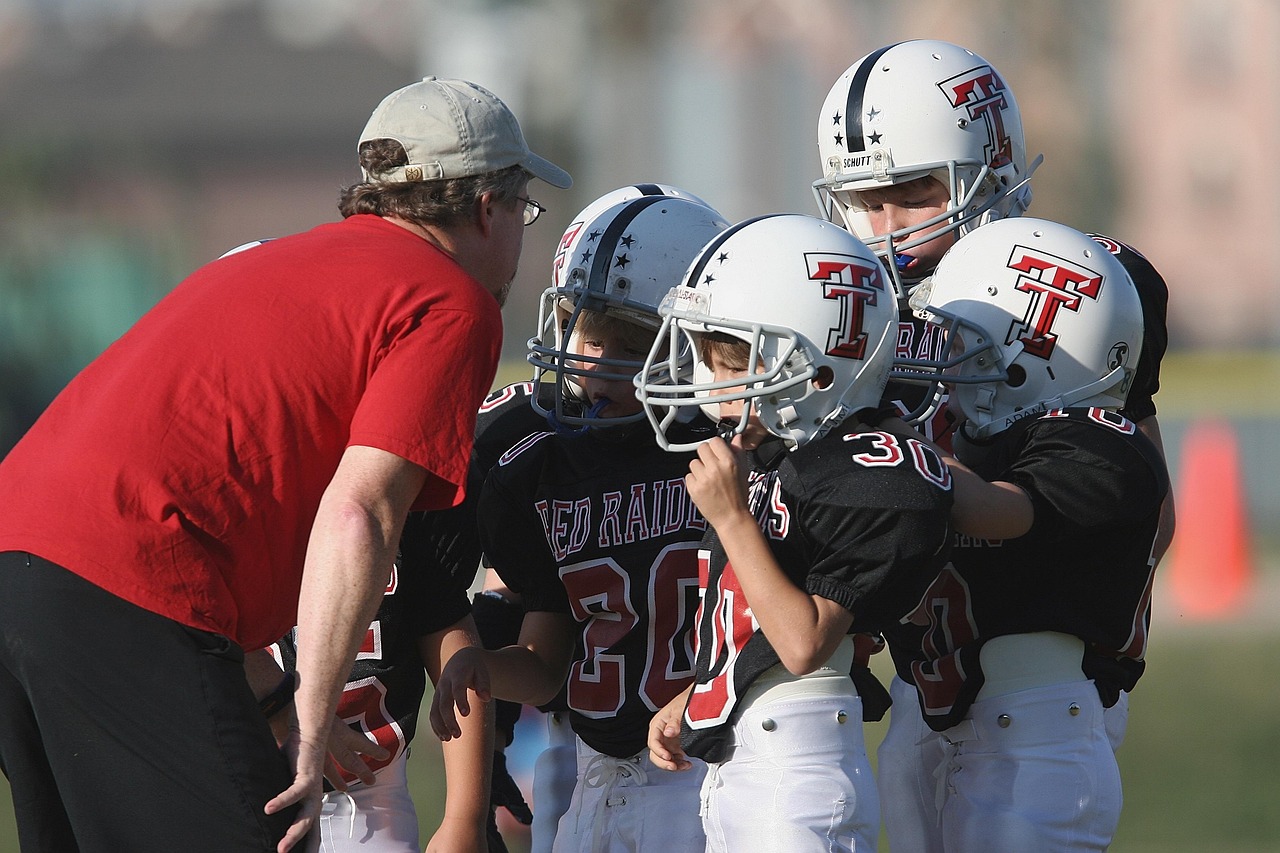

Utilizing Group Activities to Enhance Team Cohesion
Building a cohesive team is crucial for youth athletics, as it can greatly impact performance. Group activities serve as an excellent vehicle for developing relationships within the team. When athletes participate in shared challenges, they learn to communicate effectively and trust one another. Examples of group activities include relay races and team-based drills. These not only heighten competition but also reinforce collaboration. When athletes complete challenging tasks together, they bond over shared successes and failures. This shared experience fosters a sense of belonging and commitment. It’s important for coaches to incorporate fun and engaging activities into training sessions. Activities should challenge the athletes while encouraging teamwork. For instance, creating specific roles within team games allows individuals to find their strengths and encourage them to support each other. Incorporating regular group meetings following activities to discuss strategies helps clarify goals. Additionally, inviting athletes to contribute ideas for future activities empowers them and boosts morale. Thus, when designed thoughtfully, group activities can elevate cohesion amongst team members, shaping a supportive environment where young athletes thrive both on and off the field.
The Importance of Effective Communication
Effective communication is key to successful teamwork and should be emphasized in all training sessions. It starts with ensuring that every team member feels heard and valued. Coaches can encourage open dialogue by setting ground rules for discussions. Activities that engage athletes in conversations help to knock down barriers. Simple icebreakers or discussion circles can go a long way in building rapport. These small but significant interactions foster mutual respect, leading to stronger relationships among players. Encouraging athletes to share personal stories can also yield better understanding within the group. Communication is not limited to verbal interactions; non-verbal cues also play a significant role. Coaches should demonstrate how to read body language effectively, which can help athletes respond better to teammates during activities. Additionally, setting up peer feedback groups can enhance communication among athletes. Having them provide constructive feedback to each other encourages accountability, which strengthens trust. As team dynamics improve through effective communication, each athlete becomes more comfortable expressing their ideas. Consequently, these interactions support a more unified and cohesive team environment that ultimately benefits everyone involved.
Incorporating fun aspects into group activities can further enhance engagement and team cohesion. Activities that are enjoyable tend to bring out the best in athletes; they’re more likely to participate enthusiastically. Organizing themed training sessions or friendly competitions can inject excitement into routine practices. This can include crafting unique challenges that require teamwork, such as obstacle courses or scavenger hunts. Allowing individual athletes to take charge of planning some activities can also inspire ownership and excitement. Furthermore, embracing creative competitions fosters both collaborative spirit and healthy rivalry. Moreover, as athletes work in groups to strategize, they learn essential life skills. Such learning experiences translate into their overall performance both individually and as a team. It’s vital to remind participants that the objective is to have fun as well as to develop skills. Coaches should provide encouragement and celebrate successes, big and small, to maintain high spirits. Making these experiences memorable not only strengthens ties among teammates but also contributes to a positive training culture. Therefore, the synthesis of enjoyment and engagement in group activities is indispensable for youth athletes aiming for greater cohesion.
Setting Shared Goals and Expectations
Establishing shared goals is foundational for developing a unified team. When athletes understand the team’s objectives, they will have a common focus. Coaches can initiate this process during team meetings where everyone can contribute ideas. Setting both short-term and long-term goals helps keep the team aligned. Each member should know their individual role within the team’s larger objective. This can be reinforced through periodic reviews to keep everyone accountable. Additionally, outlining performance expectations creates a clear framework for behavior and effort. Athletes should understand the significance of their contributions to the team’s success. Regular team check-ins allow for adjustments of these goals as necessary. Acknowledging and rewarding progress towards these goals fosters motivation. Coaches should implement systems to celebrate milestones, encouraging team spirit. When athletes witness their collective efforts leading them towards a shared goal, motivation soars. This results in consistent encouragement and support for one another. By defining shared goals and clear expectations, youth athletes experience a stronger sense of unity and purpose. Consequently, this heightened sense of commitment can significantly improve overall teamwork dynamics during athletic engagements.
Incorporating feedback mechanisms can also contribute to team cohesion. Regularly gathering input from athletes about practices and activities fosters open communication. It’s essential to create a climate where athletes feel comfortable expressing their thoughts. For example, utilizing anonymous surveys can encourage honest feedback, allowing athletes to voice concerns or suggestions. Coaches should explicitly ask for input on group activities as part of team discussions. Furthermore, initiating debrief sessions after each session allows active reflection on what worked and what didn’t. Together, team members can analyze strengths and weaknesses while supporting one another’s growth. Engaging in this manner cultivates a problem-solving mindset that benefits the entire group. Incorporating feedback aids coaches in understanding the athletes’ perspective, thus tailoring activities to their needs. Through this collaborative effort, trust and camaraderie develop within the team. Continuous feedback loops enhance interpersonal relationships, which naturally bolster team cohesion. Ultimately, the practice of actively seeking and implementing feedback demonstrates a collective investment in improvement during training sessions.
Celebrating Team Successes
Recognizing and celebrating team successes is crucial for bolstering team spirit. Teams need to feel appreciated for their hard work and achievements. Organizing celebrations, whether big or small, allows athletes to take a moment to acknowledge their collective efforts. Award ceremonies, team outings, or simply recognizing improvement in team meetings can bond teammates further. Celebrating milestones creates memories that foster connections outside the athletic context. Coaches should regularly highlight individual and team accomplishments, reinforcing the value of teamwork and shared efforts. Additionally, establishing a rewards system encourages collaboration among athletes. Recognizing exemplary displays of teamwork enhances motivation, prompting others to emulate similar behavior. Successful moments should be documented and showcased on team social media for added pride. This fosters a sense of community as everyone shares in the accolades. Every new success strengthens unity, reinforcing the idea that teamwork is integral to achieving these results. This continuous cycle of recognition and celebration builds a positive and cohesive environment. The relational ties formed through collective success become a strong foundation for future endeavors, nurturing a culture of collaboration at every level.
Finally, promoting inclusion and diversity within group activities can enhance team cohesion significantly. Athletes from diverse backgrounds bring various perspectives that enrich team dynamics. Coaches can facilitate this by ensuring everyone has equal opportunities to participate in activities. It’s vital that every voice is heard, whether during group activities or casual discussions. Activities that emphasize collaboration across different skill levels or backgrounds can further advocate inclusivity. Pairing athletes differently for various tasks encourages them to build connections they might not ordinarily seek out. This allows relationships to flourish organically within the team. Host discussions focusing on embracing differences, as it enhances empathy and mutual respect. Education sessions on cultural awareness can provide insights and promote understanding. When team members appreciate each other’s unique strengths, they create a positive atmosphere where everyone feels valued. Encouraging involvement in team decisions fosters a sense of belonging. Ultimately, promoting inclusion ensures that the entire team thrives, leading to a more cohesive unit ready to face challenges head-on. Achieving a culture of inclusivity not only benefits team cohesion but also cultivates personal growth for each athlete involved.
In conclusion, youth coaches play a significant role in shaping cohesive teams using group activities. Careful planning and creativity allow shared experiences to nurture camaraderie and support. Emphasizing the importance of communication, relatable fun, and individual contributions sets a solid foundation. Implementing feedback mechanisms and recognizing success further contributes to a thriving environment. Moreover, promoting inclusion enhances the spirit of teamwork, harnessing diverse strengths to foster growth. Achieving a cohesive team atmosphere equips young athletes to navigate challenges effectively while enhancing overall performance. By focusing on effective strategies for team building, youth coaches can transform individual players into cohesive groups, prepared for both competition and camaraderie. The relationships formed through these deliberate efforts extend beyond sports, imparting important life lessons around teamwork and support. As youth athletes develop bonds within their teams, they also cultivate skills applicable in all aspects of life. Therefore, investing in group activities is pivotal for coaching youth athletes. Doing so sets them on a path to greater success and stronger, more unified teams in the long run. Enhancing team cohesion is an essential aspect of coaching that every youth athletics program should prioritize.