
How to Safely Practice Advanced Breath Retention at Home
Practicing advanced breath retention techniques safely at home can provide immense benefits, including improved lung capacity, relaxation, and mental clarity. To begin, create an environment that promotes comfort and focus, free from distractions. Choose a quiet space, preferably with natural light or ventilation, to ensure a calm atmosphere. The initial focus should be on building a strong foundation in basic breath control before diving into advanced techniques. This foundation allows learners to understand their body’s responses and limits. Incorporate gentle warm-up exercises to prepare the body, such as deep inhalations and gentle stretching. Progress gradually by increasing the duration of breath holds as comfort levels rise. Respect personal limits; always listen to your body. It is important to use a timer or a reliable watch to monitor progress during practice sessions. Document your practice times to track improvements over time. Lastly, maintain regular practice, aiming for at least three sessions weekly to see measurable gains. Consistency is key in mastering breath retention effectively, ensuring a steady progression from basic to advanced techniques that yield maximum benefits.
Understanding Breath Retention
Advanced breath retention involves holding the breath for extended periods and can be incredibly rewarding. Understanding the physiology behind breath retention is essential. Oxygen is crucial for brain function, yet practicing breath holds helps improve carbon dioxide tolerance, which can enhance overall lung efficiency. Engaging in breath retention exercises can teach control over one’s own respiratory system. Many athletes employ this technique to enhance stamina and performance. Initially, focus on short intervals to develop a baseline for breath retention. Use a pulse oximeter to monitor oxygen levels during practice, ensuring safety always comes first. Breath retention generates internal pressure, which can lead to dizziness if overdone. Practitioners often incorporate visualization techniques, imagining the flow of energy throughout the body. This practice can enhance overall concentration and focus. Movement or imbalance can hamper breath retention, so find a seated or lying position that feels secure. Practicing mindfulness can also bolster resilience, enabling deeper relaxation and acceptance of feelings that arise during breath holds. Explore various techniques, such as the Box Breathing Technique or the Wim Hof Method, to find what resonates best.
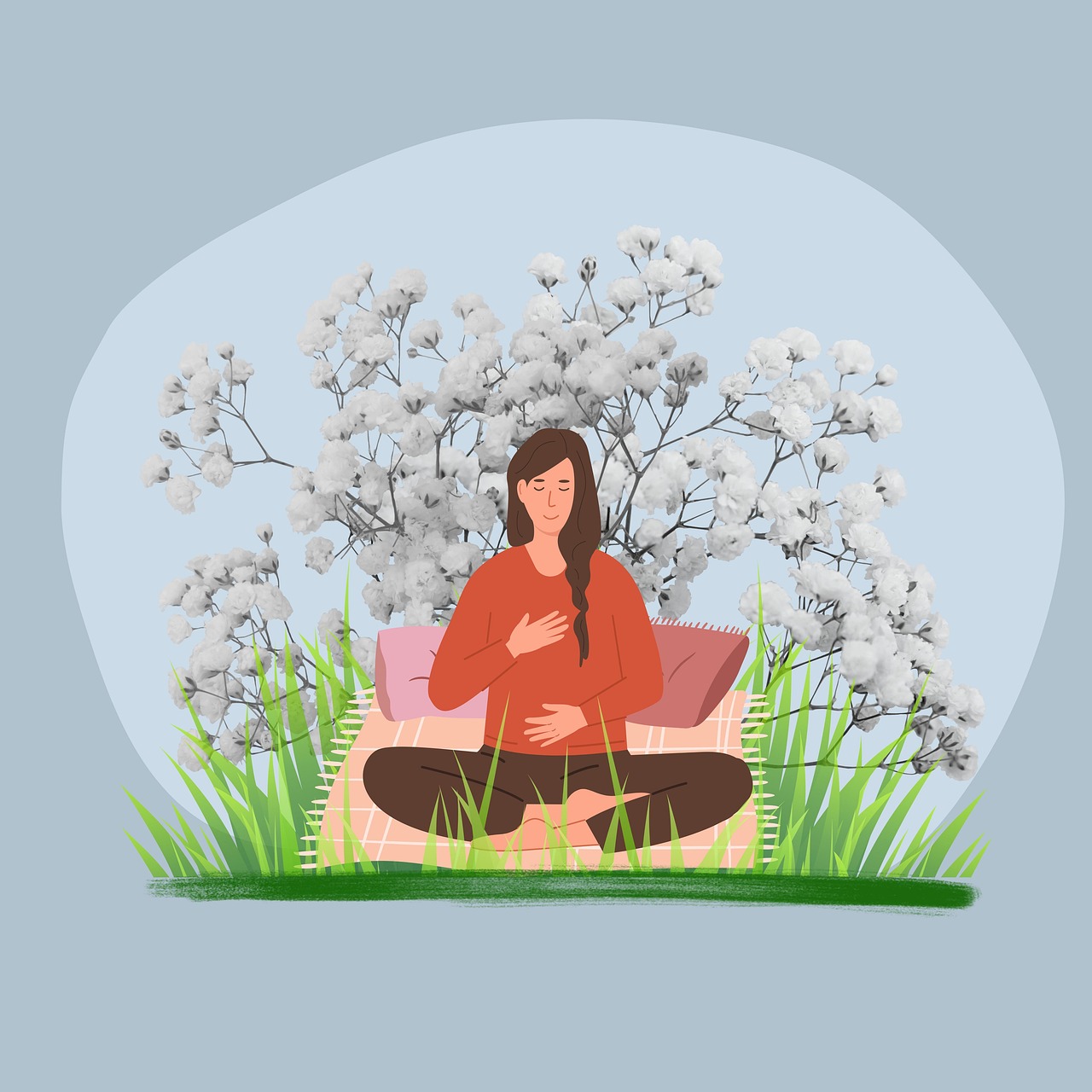
Always begin your advanced breath retention journey with proper hydration and nutrition to support optimal lung function. Dehydration can inhibit performance and may negatively affect lung health. Opt for nutrient-dense foods such as fruits, vegetables, and whole grains to fuel your body. Keeping a balanced diet enhances oxygenation and lung capacity. Focus on your posture, as a straight spine allows maximum lung expansion. Engage the diaphragm during breathing exercises to increase oxygen intake. Incorporate diaphragmatic breathing into your regimen, as it aids in better oxygen distribution throughout the body. Start by inhaling deeply through the nose, filling the belly, not just the chest. Exhale fully, allowing the body to relax. Invest time in practicing these techniques to develop a robust understanding of proper breathing mechanics. Integration of yoga or Pilates principles can enhance breath control, consequently elevating performance during advanced breath retention. Make sure to check in with your body routinely; if discomfort arises, ease back. Patience plays a critical role throughout this journey; it’s imperative to allow your body the time it needs to acclimate and build endurance effectively.
Creating a Safe Atmosphere
Building a safe atmosphere is essential in practicing advanced breath retention techniques at home. First, select a comfortable spot where you can recline or sit without interruptions. Proper ventilation is crucial, so ensure the area is well-aired to allow free-flowing oxygen. Avoid practicing near busy roads or spots filled with airborne allergens. Noting the time of day can also impact practice. Early morning sessions often provide more tranquility. Dimming lights can help signal the body to relax and engage with the practice more deeply. Using calming sounds, like nature or soft instrumental music, can enhance the experience, soothing the mind and enabling better focus. Incorporating scents, such as lavender or eucalyptus, through essential oils can also promote relaxation. Keep a water bottle close by to remain hydrated, as dryness can become a distraction. As an essential precaution, avoid practicing breath retention techniques in water alone, as this can pose drowning risks. Always have a friend or family member present if practicing in water. These considerations lay a solid foundation for a rewarding and safe breath retention practice that leads to remarkable personal insights.
Establishing clear intentions for each session can enhance mindfulness during breath retention practices. By understanding why you are practicing, you can focus your energy effectively. Common goals may include increasing endurance or reducing stress. Write down your intentions before beginning, as this serves as motivation during practice. Attention to detail should be emphasized; track your improvement through notes and reflection. Analyzing what works can empower individuals to personalize their approach for better results. Regular reflection on your progress can reveal trends in performance and help identify areas needing improvement. Aim to participate in peer discussions or online forums with fellow practitioners, as sharing experiences can yield new insights and motivation. Community involvement can augment personal practice, enriching the experience with shared knowledge. Incorporating elements from various traditions may lead to unexpected breakthroughs and discovery. Combine elements from pranayama techniques or even meditation to create a well-rounded practice session. Experimenting fosters creativity and keeps progress exciting. Aim to acknowledge each breath, creating a harmonious connection between mind and body.
Final Thoughts on Mastering Breath Retention
Mastering advanced breath retention techniques is a journey that requires dedication, patience, and safety. Building strength in breath retention enhances physical performance and fosters emotional resilience and mental clarity. Always prioritize safety above all else; recognizing personal limits is crucial to prevent any adverse outcomes. As you practice, remind yourself to be kind to your body. Celebrate small victories along the way as they contribute to larger milestones. Remember that every breath hold improves both physically and mentally is a crucial aspect of this journey. Always seek guidance from experts when exploring new techniques that might be unfamiliar. Online courses led by experienced instructors can provide personalized feedback to refine your practice. Be vigilant against overexertion; progress may be slow, but it is understanding your pace, and listening to your body is essential. Encourage a flexible mindset where successful practices vary from day to day. Challenges should be accepted as part of the learning experience, providing opportunities for insights. Embrace the entire process, and cultivate a deep appreciation for the profound connection that breathwork can establish between the body and mind, resulting in holistic growth.
In conclusion, practicing advanced breath retention techniques at home can be incredibly rewarding and help cultivate deeper self-awareness. Utilizing the strategies discussed in this article can create a supportive environment for consistent practice. As you integrate breath retention into your routine, remember that the journey of developing this skill should be enjoyable and fulfilling. Consistency is key, so establish a regular practice schedule, allowing your body to acclimatize to new techniques. Over time, you will experience noticeable improvements in breath control and lung capacity, enhancing both physical performance and mental abilities. So take a moment to appreciate every breath you take and allow the practice of breath retention to become a vital part of your wellness journey. Undertaking this endeavor will not only strengthen your physical capabilities but also contribute positively to your mental and emotional well-being. With dedication, intention, and mindfulness, you can master advanced breath retention techniques safely within the comfort of your home, transforming your practice into a rewarding experience that enhances your overall quality of life.
In conclusion, practicing advanced breath retention techniques at home can be incredibly rewarding and help cultivate deeper self-awareness. Utilizing the strategies discussed in this article can create a supportive environment for consistent practice. As you integrate breath retention into your routine, remember that the journey of developing this skill should be enjoyable and fulfilling. Consistency is key, so establish a regular practice schedule, allowing your body to acclimatize to new techniques. Over time, you will experience noticeable improvements in breath control and lung capacity, enhancing both physical performance and mental abilities. So take a moment to appreciate every breath you take and allow the practice of breath retention to become a vital part of your wellness journey. Undertaking this endeavor will not only strengthen your physical capabilities but also contribute positively to your mental and emotional well-being. With dedication, intention, and mindfulness, you can master advanced breath retention techniques safely within the comfort of your home, transforming your practice into a rewarding experience that enhances your overall quality of life.