
Balancing Adventure and Relaxation to Support Mental Fitness on Trips
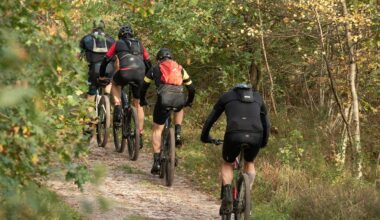
Mental fitness is crucial when traveling, as it helps individuals process their experiences, adapt to new surroundings, and maintain emotional well-being. Frequent wandering offers a unique opportunity to break from daily routines, encouraging mental stimulation and resilience. The contrast between adventure and relaxation can significantly enhance one’s mental health. On one extreme, engaging in physical activities like hiking or biking stimulates endorphin production, fostering feelings of joy and accomplishment. On the other hand, allowing time for relaxation helps recharge energy and refocus thoughts. Achieving this balance can be done through planning: allocate days filled with adventure interspersed with tranquil breaks. Activities such as meditation, journaling, or leisurely walks can be implemented effectively. Staying fully present during these moments can foster a sense of peace, providing individuals with coping mechanisms for stressors they might face during travels. Connecting with nature also contributes to emotional steadiness and mental clarity. It is essential to find what resonates with you, as personal preferences vary greatly. Ultimately, nurturing both the adventurous and restful sides of travel promises to enhance mental wellness greatly.
In addition to physical activities, engaging with local cultures is invaluable for enhancing mental fitness during trips. Immersing oneself into a different culture can provide new perspectives and insights that enrich personal growth. For example, participating in local workshops, cooking classes, or art sessions fosters creativity while broadening one’s worldview. Still, it’s also crucial to manage the pace of these immersive experiences to avoid overwhelming oneself. Striking the right balance is vital; schedule time to both explore and unwind. Consider spending mornings discovering local sights and afternoons relaxing in a café or park. This rhythm promotes mental relaxation and cultural exploration. Meeting new people, learning different languages, or trying new cuisines can spur a sense of belonging. Building connections also helps combat feelings of loneliness and isolation often felt while traveling. Social interaction is a powerful antidote to anxiety, enhancing joy during the journey. Exploring local markets or participating in group activities can create opportunities for bonding and enriching experiences. By embracing these encounters while allowing for quiet moments, one can achieve an ideal balance that supports mental fitness throughout the journey.
The Importance of Being Present
Practicing mindfulness during travels also contributes immensely to mental fitness. When individuals focus on the present moment, appreciating their surroundings, they often experience greater joy and appreciation for unique experiences. This focus aids in reducing anxiety. Simple techniques like deep breathing or grounding routines can center individuals, helping maintain a calm state of mind. For instance, when visiting a bustling city or serene natural landscapes, take time to engage the senses fully. Observe the colors, sounds, and textures; savor the scents and tastes of local cuisine. This sensory engagement emphasizes gratitude and fosters a deeper connection to the environment. Creating a travel journal allows one to reflect on daily experiences and feelings. Written accounts facilitate processing emotions, helping maintain mental equilibrium. By encouraging a routine where one can write daily or express thoughts, trips become a journey of self-discovery and development. Additionally, sharing experiences with fellow travelers can further enhance this process. Through discussion, reflections turn into shared knowledge, enhancing both personal and collective mental fitness insights gained from wonderful adventures.
Taking care of physical health is equally important when balancing adventure and relaxation during trips. Engaging in outdoor activities improves physical fitness, while simultaneously having a positive effect on mental health. Activities such as hiking, biking, swimming, or yoga can be integrated into daily itineraries. Not only do they help release pent-up energy, but they also promote feelings of happiness and reduce stress. Complementing adventurous moments with adequate nutrition and hydration ensures adequate energy and stamina throughout trips. Eating nourishing foods, observing local culinary traditions, satisfies physical needs and fuels the mind. Staying hydrated helps maintain focus, while avoiding excessive caffeine or alcohol consumption keeps mood swings at bay. Sleep is another crucial element to consider. Adequate rest enhances cognitive function and emotional regulation while preventing burnout during a trip. Maximizing opportunities for quality sleep, whether through naps during long travel days or ensuring comfort in accommodations, supports overall mental wellness. By prioritizing physical health alongside adventurous activities, individuals create a harmonious experience that promotes long-term benefits for mental fitness and overall well-being.
Setting Realistic Goals
Establishing achievable goals for each trip can also enhance mental fitness. Traveling often involves juggling a range of responsibilities and desires; setting realistic expectations helps reduce stress and promote satisfaction. Acknowledging personal limits prevents burnout and disappointment. For instance, maintain flexible itineraries that allow for spontaneous adventures or unplanned relaxation days, ensuring a balance. When creating a travel itinerary, consider including diverse activities that cater to adventure, culture, and leisure. List the top attractions, but leave room for exploration and downtime. Embrace the idea that travel is not solely about ticking off destinations but cherishing moments of joy and reflection along the way. Breaking down larger goals into smaller, manageable objectives can motivate and make the trip feel more rewarding. Celebrate small victories, like discovering a hidden gem or mastering a few phrases in the local language. Engage in self-encouragement and practice gratitude for experiences encountered. Acknowledging progress motivates continual mental well-being growth, reinforcing a positive mindset. Ultimately, setting accomplished, realistic expectations can prevent overwhelm while enhancing overall enjoyment throughout the traveled journey.
Embracing personal interests can significantly enhance mental fitness during travels, contributing to an engaging and fulfilling experience. When individuals can work on their passions while exploring different destinations, they feel a greater sense of satisfaction. This can involve taking part in photography tours, attending performances or workshops, or simply pursuing outdoor interests like bird watching. It’s important to acknowledge and incorporate personal interests into the itinerary. Doing so not only brings joy but also promotes a sense of identity amidst unfamiliar settings. Furthermore, these pursuits create lasting memories tied to specific locations. Exploring one’s passions can also lead to connecting with other like-minded individuals, expanding one’s social circle. Such opportunities to engage with others on a shared interest can alleviate feelings of loneliness. Additionally, pursuing hobbies during travels fosters a sense of accomplishment and happiness. By identifying favorite activities and weaving them into the travel experience, mental wellness stands to benefit immensely. Taking time to indulge in those interests balances adventure with personal fulfillment, enriching the overall travel experience and supporting a sense of purpose along the way.
Conclusion
Balancing adventure and relaxation during trips is critical for supporting mental fitness. Integrating physical activity, mindfulness, cultural engagement, and personal interests contributes to a richer travel experience that nourishes mental well-being. It’s vital to embrace both exploration and downtime, enabling individuals to process their experiences fully while avoiding overwhelm. Understanding personal limits, setting realistic goals, and making time for personal interests ensure a harmonious blend of adventure and tranquility. Ultimately, achieving this balance leads to a more fulfilling and rewarding travel experience. Whether it’s through hiking in breathtaking landscapes, engaging in local traditions, or simply taking a moment to reflect upon a sunset, travelers can cultivate mental resilience. Amid travels, consistent self-awareness and adaptability remain key; engaging actively with one’s environment or retreating for mental reprieve fosters growth. By employing techniques that nurture both adventure and calm, individuals can regain their mental clarity and promote overall happiness. In this way, every journey not only becomes a path of discovery but also a means to strengthen mental fitness, providing lasting benefits that extend beyond vacation days.