
Nutrition and Fitness Tips for Managing Pregnancy-Related Hypertension
Pregnancy can sometimes lead to high blood pressure, which is crucial to manage for the health of both mother and child. Engaging in regular physical activity is a great way to ensure better heart health during this period. Always consult with your healthcare provider before starting any exercise routine to confirm it aligns with your specific health condition. Gentle exercises such as walking or swimming can help keep your cardiovascular system strong. In addition, practicing yoga can also promote relaxation, which might help reduce stress levels. Make sure to stay hydrated while exercising, as proper hydration plays a key role in maintaining blood circulation. Nutrition also plays a significant role in pregnancy-related hypertension management. Consider incorporating potassium-rich foods like bananas and avocados into your diet. These foods help regulate blood pressure levels naturally. Maintain a balanced diet, enriched with whole grains and healthy proteins, while avoiding processed foods high in sodium, as they may exacerbate hypertension during pregnancy. Be mindful of your calorie intake; embrace smaller, frequent meals instead of larger ones to help minimize potential spikes in blood pressure.
In addition to proper exercise and nutrition, mindfulness and stress management techniques can greatly benefit women dealing with pregnancy-related hypertension. Engaging in meditation or practicing deep breathing exercises can significantly reduce stress, lowering the likelihood of unhealthy spikes in blood pressure. Allocate time for relaxation and self-care to improve emotional well-being. Activities such as reading, listening to music, or taking warm baths can provide calming effects that may support overall health. Ensure you are resting adequately, as fatigue can further impact your blood pressure levels. Prioritize sleep by establishing a nightly routine that encourages relaxation. If anxiety interferes with sleep quality, discuss relaxation techniques with your healthcare provider. Another key factor to consider is your salt intake. Modify your diet to limit high-sodium foods that lead to fluid retention. Choosing fresh fruits and vegetables over packaged snacks can significantly lower your sodium levels. Also, keep an eye on dairy products and condiments as they might contain hidden sodium. Focus on consuming natural herbs and spices to enhance flavors in your dishes. Remember that small dietary adjustments can lead to significant improvements in your overall health during pregnancy.
Essential Nutrients for Managing Hypertension
Notably, certain nutrients are essential when managing pregnancy-related hypertension. Focus on increasing the amount of magnesium in your diet, as it has beneficial effects on your cardiovascular health. Foods such as nuts, whole grains, and leafy green vegetables are great sources of magnesium. This mineral aids in muscle relaxation and can help maintain normal blood pressure. Additionally, omega-3 fatty acids found in fish can also support cardiovascular health during pregnancy. Aim for two servings of fatty fish such as salmon each week to reap these benefits. Folic acid is another crucial nutrient for pregnant women; it helps prevent neural tube defects in your baby. Boost your folic acid intake by consuming leafy greens, beans, and fortified cereals. Iron is also important for pregnant women to prevent anemia, which could complicate hypertension management. Include iron-rich foods like lentils, red meat, and fortified grains in your meals. Always stay aware of your body’s needs and consult with your healthcare provider regarding necessary supplements to ensure you’re meeting your nutritional requirements for healthy pregnancy and blood pressure levels.
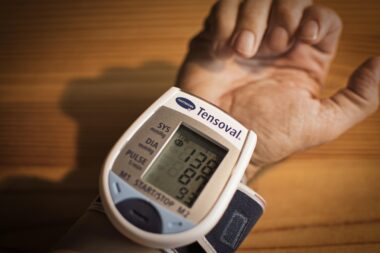
Regular monitoring of your blood pressure plays a vital role in managing hypertension effectively during pregnancy. It’s essential to keep track of your readings and notice any changes. Use a blood pressure monitor at home, and don’t hesitate to consult your healthcare provider if you’re unsure about your readings. Maintaining a detailed log of your measurements will help medical professionals understand trends and make appropriate recommendations. If your blood pressure readings consistently exceed normal limits, your healthcare provider may suggest medications. Although some medications are safe to use during pregnancy, it’s crucial to follow their instructions and understand any potential side effects. Additionally, avoid over-the-counter medicines without consulting your physician. Some medications can negatively affect blood pressure and overall pregnancy health. Emphasize open communication with your healthcare team regarding your physical concerns, exploring available treatment options for managing your hypertension. Don’t underestimate the importance of keeping a proactive attitude toward your health during this time; your and your baby’s well-being depend on it, which underscores the value of diligently managing your hypertension through practical lifestyle adjustments and informed choices.
Exercise Tips Tailored for Expectant Mothers
When it comes to exercise during pregnancy, it’s important to choose low-impact activities to minimize strain on your body. Activities like walking, swimming, or cycling are excellent options that can help maintain fitness without risking injury. Aim for at least 150 minutes of moderate-intensity exercise per week, as recommended by health organizations. This can include 30 minutes of activity five days a week, broken down into shorter sessions if necessary. However, always listen to your body and adjust workouts according to your own comfort levels. Incorporating flexibility and strength training exercises can also be beneficial. Consider gentle yoga or pilates tailored for pregnant women, allowing you to focus on your body’s core strength while promoting relaxation. As your pregnancy progresses, modify your routine and include resting days to reduce fatigue. Remember to use supportive footwear when exercising to maintain comfort and prevent injuries. Involving friends in your fitness activities can also enhance motivation while ensuring safety through companionship. Maintaining consistent exercise routines will support your cardiovascular health and potentially ease delivery and recovery processes.
Hydration is equally pivotal to managing pregnancy-related hypertension. Drinking sufficient water throughout the day aids in optimal blood circulation and fluid balance in the body. Aim for at least 10 cups of fluid each day, adjusting according to your physical activity and climate. Being well-hydrated can help prevent constipation, a common issue during pregnancy. Herbal teas and light broths are excellent additions, offering more variety while keeping fluid intake interesting. Avoid excessive caffeine and sugary beverages, as they may contribute to dehydration and unhealthy spikes in blood pressure. Furthermore, alcohol consumption should be completely avoided during pregnancy due to its potential harm. Be aware of hydration needs during exercise, replenishing fluids lost through sweat after workouts. Keep a reusable water bottle nearby to encourage consistent hydration throughout your daily routine. Hydration combined with proper nutrition and exercise can significantly affect your blood pressure levels. Prioritize hydration and incorporate these practices into your daily lifestyle as an essential component of maintaining health during pregnancy while managing hypertension effectively.
Support System for Expecting Mothers
Creating a support network is essential for expecting mothers facing hypertension challenges. Surrounding yourself with family and friends who understand your situation can offer emotional support during this time. Sharing experiences and discussing concerns with other mothers who have experienced similar challenges can provide valuable insight. Joining prenatal yoga classes or support groups can also help build a community of understanding individuals. Perhaps consider enrolling in a pregnancy fitness class designed for women with hypertension, where expert guidance can ensure safe activity levels for exercise. Having professionals around to offer health tips and emotional support is invaluable for your journey. Regularly communicating with your healthcare provider will also ensure your concerns are addressed promptly while following your progress with hypertension management. Patience is crucial during pregnancy. Make sure to accept help from loved ones, whether it’s assistance with daily tasks or companionship. Focus on creating a peaceful environment for yourself that promotes relaxation and emotional balance. Foster healthy relationships and engage in positive conversations, always keeping an open mind when discussing your feelings and health needs with those supporting you.
Ultimately, managing pregnancy-related hypertension requires a holistic approach encompassing diet, exercise, stress management, and emotional support systems. Each element contributes to maintaining a healthier pregnancy, aiming for positive outcomes for both mother and baby. Choosing the right nutritional path, including essential vitamins and maintaining hydration, is foundational. Similarly, regular exercise while listening to your body ensures both physical well-being and mental health. Implementing stress-reduction techniques creates a peaceful mindset, essential for navigating the challenges of pregnancy. Combining these strategies with a supportive community fosters resilience and strength. Therefore, prioritize your well-being throughout your pregnancy while effectively managing hypertension-related challenges. Always consult healthcare professionals to attain individual advice tailored to your unique situation and adapt strategies as your pregnancy progresses. Remember that every small effort you make contributes significantly to your overall health and happiness during this transformative stage. Educate yourself about your health and explore available resources to thrive during pregnancy. Take time to celebrate each milestone along the way, knowing you’re preparing yourself for the wonderful experience of bringing new life into the world.