
Children and Adaptive Fitness: Support for Young Amputees
Adaptive fitness is a critical aspect of promoting health for children living with limb differences. Young amputees face unique challenges, but the right support can help them thrive. Programs dedicated to adaptive fitness for children focus on personalized training regimens that suit individual needs, emphasizing both physical capability and emotional well-being. These programs often incorporate engaging activities that allow children to build strength, improve coordination, and enhance overall fitness. By fostering a supportive environment, families can ensure that young amputees have access to resources that address both physical limitations and encourage social interactions. Creating a routine that includes adaptive sports aids in building confidence and resilience in children, showing them that they can participate in activities alongside their peers. It is also beneficial to connect young amputees with mentors who have similar experiences, providing valuable insights. Resources like the Challenged Athletes Foundation can offer invaluable support, helping to bridge gaps in access and opportunity for these children, as they learn to embrace their abilities. Ultimately, the goal is to foster an inclusive community where all children feel empowered and encouraged to pursue their fitness goals.
Adaptive fitness programs tailored for amputees often include various sports and recreational activities. Adaptations to classic sports like swimming, basketball, and soccer can provide young amputees with opportunities to excel. These activities not only enhance physical health but also improve social connections through teamwork and friendship. Young amputees benefit significantly from engaging in these activities as they develop their skills in a supportive and adaptive environment. Utilizing specialized equipment, such as prosthetics designed for specific sports, can further enhance participation and performance. Additionally, coaches trained in adaptive sports can modify drills or games to be more accessible, ensuring that no child is left behind. Families are encouraged to participate, creating a positive support system for young athletes. Through adaptive fitness, children can overcome feelings of isolation and foster a sense of belonging among peers. Communities can organize events and showcases to allow young amputees to display their talents, further inspiring not just themselves but others around them. Ultimately, engaging in these programs impacts their mental health positively by instilling a sense of achievement and promoting a healthy lifestyle as they grow into adulthood.
Psychological Benefits of Adaptive Fitness
Participation in adaptive fitness activities benefits young amputees psychologically as well as physically. Many of these children may grapple with issues related to self-esteem and body image. Engaging in regular physical activity helps them develop a more positive self-image by focusing on abilities rather than limitations. Social interactions during adapted sports can reduce feelings of anxiety and isolation, allowing children to connect with others who share similar experiences. The support and camaraderie built within these programs help forge lasting friendships and provide emotional resilience that extends beyond the gym or field. It’s crucial for parents and caregivers to encourage participation in adaptive fitness as it nurtures emotional well-being, teaching children valuable life skills such as teamwork, perseverance, and adaptability. Educational programs often accompany fitness routines, equipping young amputees with coping strategies to deal with challenges they may face. Furthermore, the joy and satisfaction gained from achieving fitness goals contributes to a positive mindset. Such environments foster independence, encouraging children to advocate for themselves and pursue their interests. Overall, fostering psychological well-being in conjunction with physical health is paramount for a holistic approach to the development of young amputees.
Community involvement plays a significant role in the success of adaptive fitness programs for young amputees. Engaging with local businesses, schools, and organizations can enhance resource availability and provide greater opportunities for these children. Community awareness initiatives aim to educate the public about the capabilities of young amputees and the importance of adaptive fitness. Volunteers can be instrumental in organizing events or providing mentorship, ensuring skilled individuals support program growth. Collaboration with healthcare professionals ensures that fitness programs align with medical advice and meet children’s unique needs. Local training facilities can be modified to be more accessible, promoting inclusion. When community members actively participate in creating adaptive programs, it sends a strong message that everyone deserves the opportunity to enjoy fitness and sports. Events that showcase achievements of young amputees foster pride and acceptance within the community, paving the way for future advocates. It is essential to continually explore new partnerships and collaborations that can benefit adaptive fitness initiatives. Ultimately, the goal is to create a supportive and inclusive atmosphere where young amputees feel seen and celebrated while pursuing their fitness dreams alongside others.
Role Models and Mentorship
Having role models and mentors significantly influences young amputees in adaptive fitness programs. Children often look up to individuals who have faced similar challenges and achieved success. These role models offer guidance, inspiration, and practical advice through their personal experiences, demonstrating that a fulfilling life is attainable regardless of physical limitations. Mentorship programs can connect young amputees with experienced athletes who can share insights about overcoming obstacles. It’s essential for mentors to exemplify resilience and perseverance in their own fitness journeys. Empowering these children to pursue their passions encourages a sense of agency and self-confidence as they navigate their paths. Regular interactions between mentors and mentees can reinforce commitment to fitness goals, transforming occasional involvement into a dedicated passion. Additionally, mentors can help facilitate community connections to broaden the support network available to young amputees. These connections can lead to participation in competitions or showcases tailored for adaptive sports. Building relationships based on trust and shared experiences cultivates a strong bond that supports emotional health. Having a mentor provides young amputees with the motivation to strive for excellence while reminding them of their capable selves, both on and off the field.
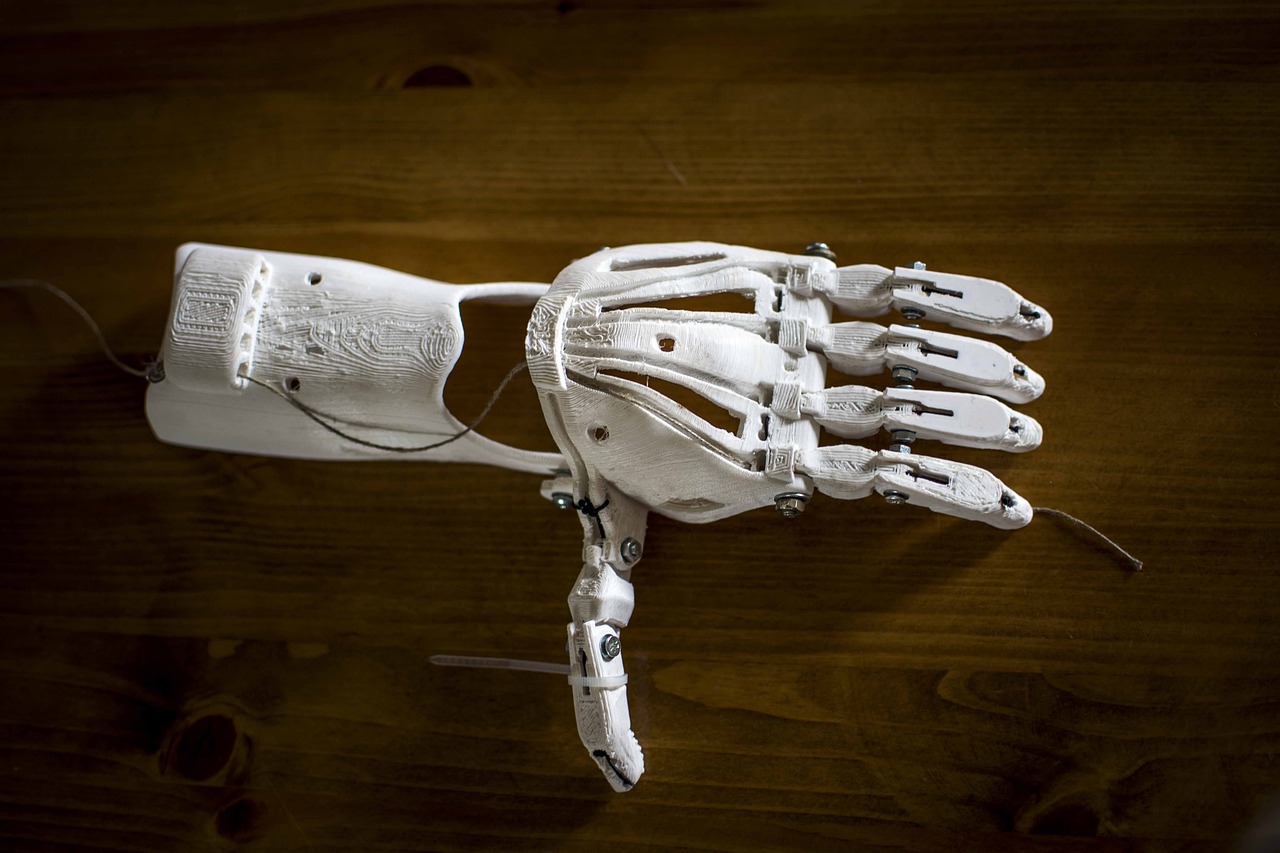
Innovative technology is revolutionizing the possibilities for adaptive fitness among young amputees. Advances in prosthetics and adaptive equipment allow for increased participation and performance across various activities. Technologies, such as specialized running blades and personalized sports wheelchairs, empower children to engage more fully in sports like running, cycling, or basketball. Ensuring that children have access to the latest adaptive gear is crucial for maximizing their potential while minimizing equipment-related challenges. Workshops and clinics focused on technology education can help families understand available resources and opportunities. Furthermore, technology-based platforms can facilitate connections among young amputees, enabling sharing of experiences and advice on the use of adaptive tools. Virtual fitness classes can also be beneficial in providing flexible training solutions that fit within the family’s schedule. The use of wearable devices that monitor physical performance can promote accountability and motivate children to track their progress. Incorporating these innovative technologies into adaptive fitness programs is integral in helping young amputees gain confidence and independence. Ultimately, as technology evolves, it continues to break barriers, enabling children to realize their full athletic potential.
Creating an Inclusive Environment
Fostering an inclusive environment in adaptive fitness programs ensures all children feel welcomed and valued, regardless of their abilities. Training staff and volunteers to understand the diverse needs of young amputees is crucial for promoting effective tailored support. An inclusive philosophy goes beyond mere participation, focusing on creating experiences that celebrate diversity and empower every child to shine. Activities should cater to various skill levels while maintaining a fun atmosphere that encourages exploration. Engaging families in the planning process can provide insight into specific adaptations that may enhance accessibility and enjoyment for their children. A shared vision of inclusivity can help facilitate friendship and teamwork among children with and without disabilities. Curriculum developers should incorporate engaging and creative activities that encourage interaction, fostering a sense of belonging among participants. By promoting positive relationships, adaptive fitness programs can combat stigmas and encourage empathy. Celebratory events recognizing achievements create an atmosphere of positivity that reinforces the values of inclusion and empowerment. Ultimately, creating inclusive environments is foundational for adaptive fitness programs, enabling every child to cultivate their strengths while supporting one another in their fitness journeys.
The future of adaptive fitness for young amputees looks promising as awareness and innovations grow. With increasing recognition of the importance of inclusive fitness, more resources will be dedicated to developing and expanding adaptive programs. The goal is to establish an environment where every child, regardless of their limitations, has the opportunity to thrive and succeed in their fitness endeavors. School programs and community initiatives are beginning to embrace adaptive fitness as a vital component of youth sports, ensuring accessibility from a young age. As local and national organizations collaborate, new frameworks for inclusivity will emerge, fostering a culture that emphasizes the importance of health and wellness. Funding for adaptive sports programs will become more prevalent as demand increases, reflecting the societal commitment to diversity in athletics. By harnessing the support of policy-makers and advocates, adaptive fitness can become ingrained in our communities. This shift not only serves young amputees but enriches society as a whole by advocating acceptance and empowerment through physical activity. As more children experience the joy of adaptive fitness, a brighter and more inclusive future in sports will unfold, paving the way for generations to come.