
Strategies to Improve Body Image in Young Adults
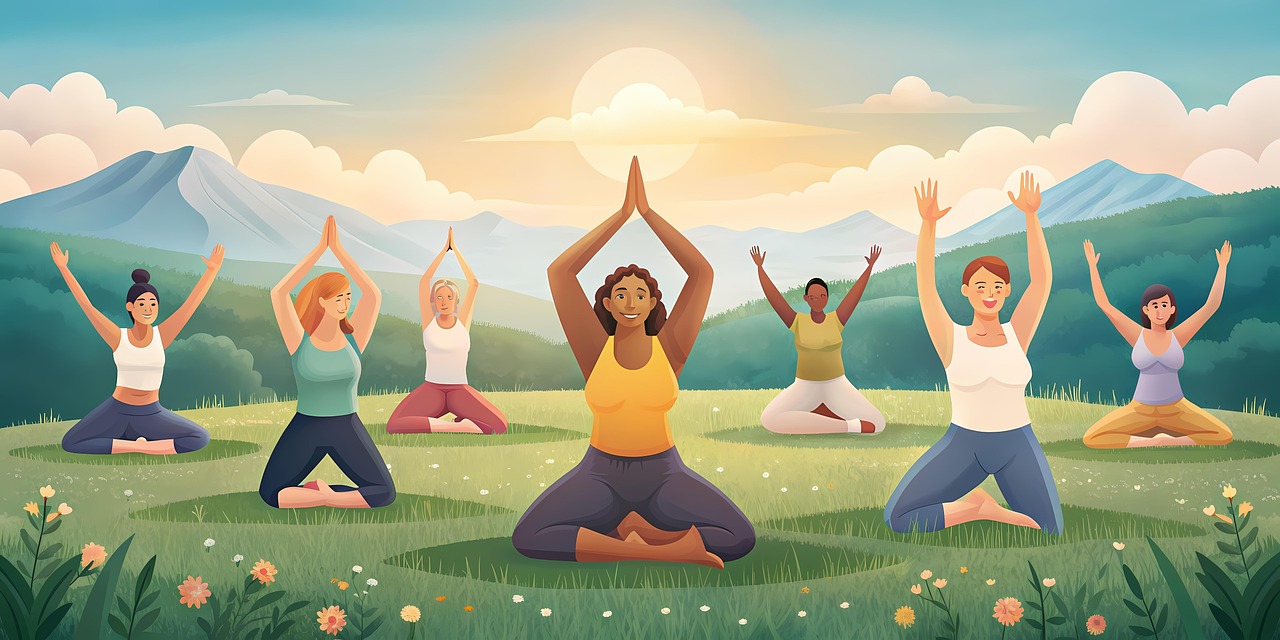
Body image issues significantly affect young adults, leading to anxiety and low self-esteem. One effective strategy for improving body image is fostering a positive environment through supportive relationships. Encouragement from peers, family, and mentors can enhance self-acceptance. Building a safe space where individuals feel valued for who they are is essential. Promoting open discussions about body image can help alleviate pressure. Educating young adults about media literacy is pivotal. Understanding how images are digitally altered creates awareness, reducing comparative mindset. It is also vital to promote diverse representations of body types in media and advertising. This encourages acceptance of various appearances and combats negative stereotypes. Engaging in activities that celebrate body strength rather than appearance, such as yoga or dance, can boost self-esteem. Young adults should be encouraged to challenge and question societal beauty standards. Moreover, teaching mindfulness and self-compassion helps individuals develop a healthier relationship with their bodies. Practicing gratitude for what the body can do, rather than solely how it looks, shifts perspectives positively. Regularly affirming positive self-talk fosters resilience against external judgments. Emphasizing overall wellness over aesthetics is key.
Building Confidence Through Activities
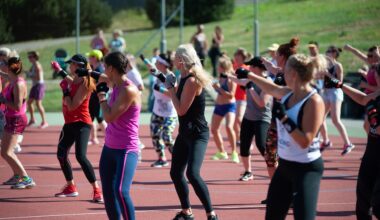
Participating in activities that enhance confidence is paramount for fortifying body image. Engaging in sports or creative hobbies can help young adults appreciate their physical capabilities. These activities nurture not only skills but also a sense of belonging, fostering a positive self-view. Encouraging involvement in team sports promotes teamwork, creating supportive networks that bolster mental health. Additionally, community involvement through volunteering offers profound benefits. Helping others allows young adults to cultivate empathy and shifts the focus away from personal insecurities. Fitness classes focusing on fun rather than competition can also be beneficial. Activities like dance or martial arts enable expression while building confidence. Furthermore, the creative arts such as painting, writing, or music allow individuals to communicate feelings and explore their identities. By focusing on what they enjoy and excel at, young adults can develop a more profound appreciation for themselves. It is also critical to identify healthy role models who convey body positivity. These figures can inspire young adults to embrace their uniqueness and reject societal pressures. Creating a diverse and inclusive climate is vital in all settings. Each individual can contribute to a more supportive environment by promoting body positivity.
Influencing self-perception through education is vital. Teaching young adults about nutrition—a balanced understanding of food—can bring empowerment. Providing information on healthy choices versus fad diets enables informed decisions. Emphasis on nutritional value rather than appearance prevents unhealthy relationships with food. This balanced approach fosters body respect, learning to nourish rather than punish. Educators and health professionals should prioritize realistic health metrics over weight-centric views. Recognizing health is multi-dimensional promotes acceptance of various body shapes. Stressing mental health as integral to overall wellness is also essential. Promoting healthy coping strategies for stress, anxiety, and depression can alleviate unrealistic body pressures. Providing access to mental health resources allows early intervention and support. Young adults should also be educated about the impact of social media. Workshops on managing online presence and curating feeds to include positive content can shift perspectives. Encouraging a break from social media can help avoid negative self-comparisons. Young adults should be taught to reflect critically on their media consumption. They can learn how to curate a positive digital environment that celebrates diversity. Overall, it is crucial that the focus shifts from negative self-image to self-love and care.
The Role of Mindfulness Practices
Incorporating mindfulness practices into daily routines can significantly affect body image perceptions. Mindfulness encourages individuals to live in the moment, fostering acceptance of their thoughts and feelings without judgment. By practicing mindfulness, young adults can learn to separate their self-worth from physical appearance. Simple techniques, such as breath awareness or meditation, can alleviate unhealthy thought patterns while shifting focus toward gratitude and mindfulness. Consistent practice helps enhance self-compassion, allowing individuals to accept themselves during tough moments. Activities that combine movement and mindfulness, like yoga or tai chi, strengthen both body and mind connection. This creates an environment where physical limitations become less significant compared to overall well-being. Journaling about body image experiences fosters reflection and understanding. It encourages individuals to articulate their feelings while identifying triggers for negative opinions. Engaging in these practices over time cultivates resilience against societal pressures. Encouraging group discussions of mindfulness can promote shared experiences, fostering community support. Moreover, young adults can find solace in connecting with others who share similar struggles. Acknowledging shared challenges allows individuals to discuss body image issues openly, reducing feelings of isolation and empowering collective healing.
Recognizing and celebrating achievements outside looks is vital for improving body image. Focusing on personal strengths, skills, and life experiences fosters a comprehensive self-view. Young adults should be encouraged to reflect on accomplishments, highlighting their talents and abilities rather than their appearance. This perspective shift enables them to appreciate their unique contributions to the world. Hosting events that celebrate individual and group achievements provides opportunities for positive reinforcement. Schools, workplaces, and communities should highlight accomplishments based on personal development rather than superficial criteria. Initiatives featuring stories of perseverance, resilience, and transformation can inspire others to appreciate their worth. Building a culture of recognition can diminish the emphasis on physical appearances. Encouraging public speaking or writing about personal experiences enhances confidence and fosters connection. These platforms allow individuals to share their narratives, contributing to broader discussions on body image. Additionally, promoting leadership roles within communities empowers young adults to take ownership of their narratives. Fostering environments where vulnerability is embraced encourages open exploration of self-image challenges. The more these narratives are shared and validated, the greater the potential for changing societal perceptions of beauty and self-worth, leading to more inclusive environments for all.
Creating Supportive Environments
Creating supportive environments is essential for fostering a positive body image among young adults. Schools, workplaces, and communities play pivotal roles in establishing a culture of acceptance. Implementing workshops focused on body positivity and self-esteem can initiate necessary conversations about the importance of self-love. Peer-led initiatives can cultivate organic support networks among individuals facing similar struggles. Encouraging open dialogue about body image issues ensures individuals feel heard and understood. These environments should prioritize inclusivity, where diversity thrives through various body shapes and sizes. Encouraging young adults to participate in discussions promotes shared accountability and collective empowerment. Moreover, educators and leaders should strive to challenge stereotypical representations of beauty in their environments. This includes offering diverse curricula that feature various body types. Highlighting the importance of holistic health rather than focusing on appearance ensures a shift in perceptions towards self-acceptance. Additionally, creating alliances with local mental health resources promotes access to support. Regular mental health awareness programs or collaborations can help destigmatize seeking help. By taking proactive steps towards creating a positive climate, individuals are empowered to embrace their identities, transforming the narrative surrounding body image for generations.
Ultimately, improving body image in young adults requires a collaborative effort. Families, educators, peers, and society must unite in promoting positive self-perception. Establishing ongoing dialogue about body image, vulnerability, and societal pressures enriches connections among individuals. Creating safe spaces where people can voice their concerns allows for exploration of emotions while fostering support. Educators should embrace curricula integrating discussions about body image, self-worth, and media impact. It is essential to provide young adults with tools to navigate challenges while growing into self-assured individuals. Technology can be leveraged to initiate campaigns promoting body positivity, creating a digital community advocating for self-acceptance. These initiatives can leverage social media platforms to spread awareness while promoting narratives supporting diverse body representations. Educational institutions should incorporate mental health resources, ensuring individuals seek help without stigmatization. Schools must cultivate environments emphasizing wellness over appearance, reinforcing healthy lifestyle choices. Young adults should regularly participate in activities that nurture their talents, fostering a holistic self-appreciation. In doing so, they will gradually redefine societal beauty standards, paving the way for a healthier relationship with their bodies. Working together, change can manifest, creating an environment where body image concerns can be addressed openly.