
Timing Your Healthy Fat Intake for Optimal Pre-Workout Nutrition
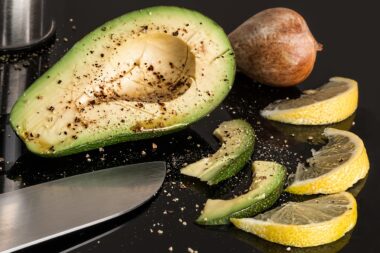
When it comes to pre-workout nutrition, the timing of healthy fats can make a significant difference in your performance. Healthy fats provide sustained energy, aiding endurance, and can help in reducing processing time in your gut. Including fats in your pre-workout meal 30 to 60 minutes before exercise can optimize fat oxidation, thus enhancing performance. However, the type of healthy fat consumed matters; sources rich in omega-3s, such as avocados or nuts, can provide anti-inflammatory benefits. Additionally, healthy fats can help with nutrient absorption, which is beneficial when paired with carbohydrates and proteins. It’s crucial to select fats that won’t be overly heavy or burdensome on your digestive system. Moreover, combining these fats with carbohydrates can yield a synergistic effect, ensuring that your energy levels remain high. Ultimately, fats play a critical role in energy production during longer workouts. Time management regarding fat intake is vital, so be mindful of when you consume them. A balance of timing, quality, and quantity is necessary to ensure that healthy fats serve their optimal purpose in pre-workout nutrition.
Finding the right ratio of healthy fats to your pre-workout meal is essential. For example, a good guideline is to aim for 15 to 30 grams of healthy fats and pair them with complex carbohydrates. Foods like peanut butter on whole grain toast or Greek yogurt topped with seeds not only taste delicious but also offer a balanced source of energy. Combining these with berries or bananas can offer a quick release of glucose during your workout. Additionally, monitoring how your body reacts is key; some may thrive on fattier meals, while others may need to adjust to find their perfect balance. Personal preference also plays a role in fats selection, with choices varying from avocados to almond butter. A diverse range of fats allows you to enjoy the necessary nutrients while keeping your meals interesting. It’s important to listen to your body and adjust accordingly, especially as workout intensity changes. Experimenting with different combinations can lead to discovering your unique energy boosters. Ultimately, a little planning goes a long way in optimizing your pre-workout fuel.
Types of Healthy Fats to Consider
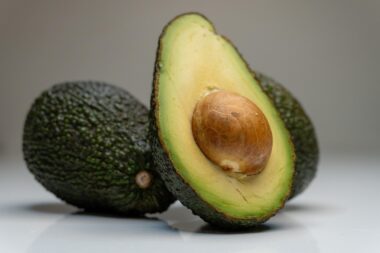
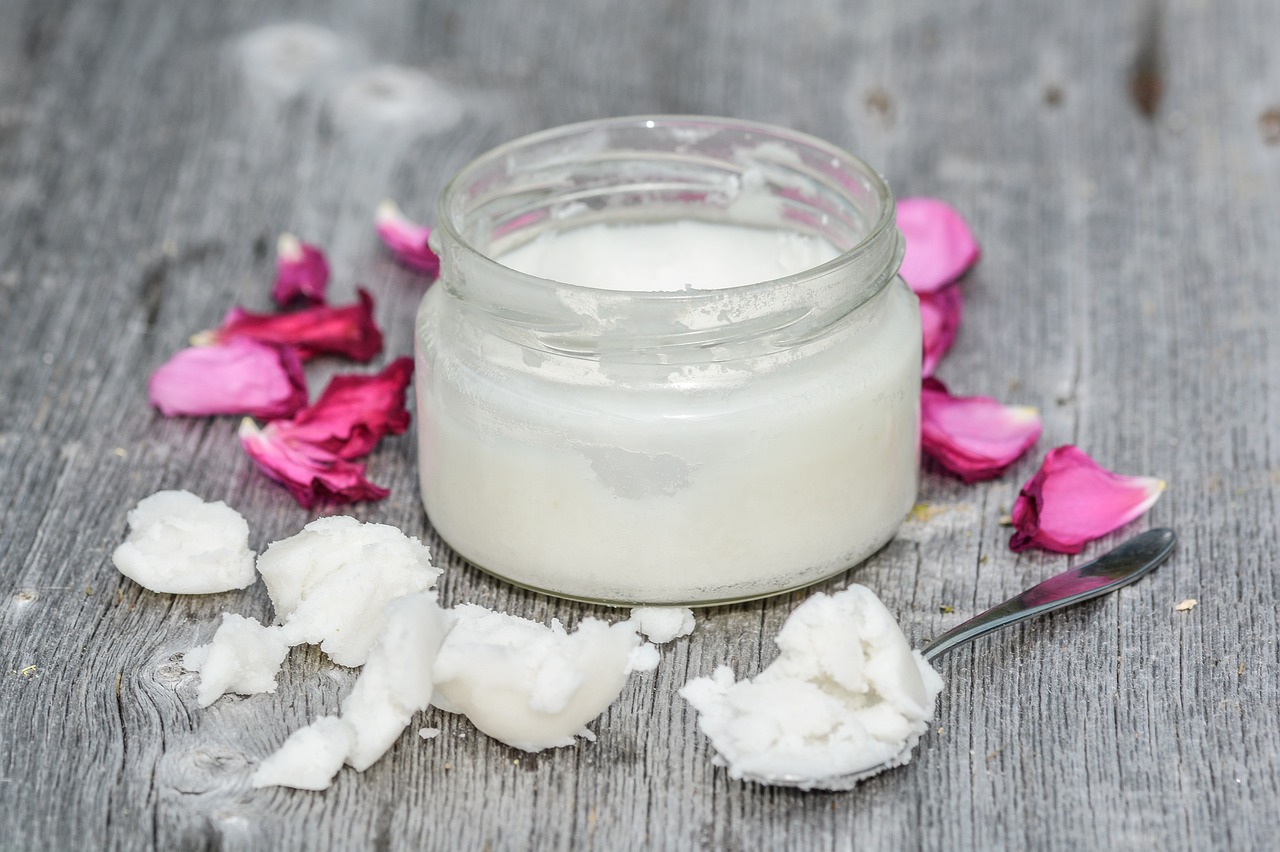
There are several types of healthy fats, each playing various roles in your pre-workout nutrition. Unsaturated fats, found in avocados and olive oil, are particularly beneficial. These fats can enhance cardiovascular health and improve endurance by encouraging better blood flow. Omega-3 fatty acids, present in fish and walnuts, are known for their anti-inflammatory properties and can help recover muscles post-exercise. Additionally, medium-chain triglycerides (MCTs), commonly sourced from coconut oil, provide a rapid energy source during workouts. Such fats are easily absorbed and metabolized into energy, making them an excellent choice. You can opt for MCT oil added to your smoothies or meals about 40 minutes before hitting the gym. However, keep an eye on portion sizes since fats are calorie-dense. A good balance of healthy fats ensures that your body receives all the nutrients needed to support muscle and energy production. Always look for quality sources, and it might be beneficial to prep meals ahead of time to avoid any last-minute rush that could compromise nutrition. Remember, the right diet can be a game-changer for your fitness routine.
Managing your carbohydrate intake alongside healthy fats is equally crucial. Carbohydrates are your body’s primary energy source, so pairing healthy fats with carbs can offer a balanced pre-workout meal, preventing any slow-down during your exercise. Opt for complex carbs like oats or brown rice, as these provide a steady energy release. For effective energy utilization, these should be incorporated along with your healthy fats. Always pay attention to your workout timing; consuming this meal about one hour before exercise allows ample time for digestion. A common mistake is eating too close to workout time, which can lead to discomfort during physical activity. It’s advisable to monitor your performance according to different meal timings to discover what works best for you. Additionally, incorporating hydration into your pre-workout routine is vital for performance. Keeping hydrated helps manage overall energy levels and ensures that your muscles are well-fueled. Ultimately, balancing fats with the right carbohydrates can help you achieve optimal results during your workout. Your body will thank you for this attention to detail.
Hydration and Its Importance
Along with healthy fats and carbohydrates, hydration significantly influences workout performance. The hydration status plays a critical role in energy levels and overall well-being during physical activity. Dehydration can lead to reduced endurance, increased fatigue, and impaired cognitive function. It’s essential to make hydration a priority in your pre-workout preparation by drinking water or a suitable electrolyte beverage. specific fluid requirements can vary based on factors like body weight and workout intensity, but typically aim to consume at least 16-20 ounces of water about two hours before exercising. Adjust this based on your sweat loss and environment. Additionally, combining electrolytes may be beneficial for those workouts extending beyond an hour. This helps replace minerals lost through sweat, enhancing your body’s performance. Remember to listen to your body; if you’re thirsty, it’s already a sign that you need hydration. Keeping up with hydration allows your muscles to function effectively, optimizing both strength and endurance. Therefore, ensuring proper water intake works hand in hand with healthy fats and carbs for top-notch pre-workout preparation.
Tracking your pre-workout meal timing and composition can yield beneficial insights. Maintaining a food journal may help identify what works best for you over time. Record how your body responds to different meals based on the types of healthy fats you consume, their timing, and how you feel during workouts. It may take some trial and error to find your ideal meal combination, but it’s worth the effort. Keeping track of your performance can act as a motivating factor as well. Also, adjusting your intake depending on workout intensity may yield better energy levels and performance. Consider how you felt during workouts after consuming different ratios of fat and carbohydrate sources. Ensure balance and moderation in all meals. Planning meals around healthy fats can elevate overall nutrition and exercise effectiveness, translating into improved performance. Share your experiences with friends or fellow gym-goers, as you may find inspiration and new meal ideas. This kind of engagement can enhance the experience of keeping fit while making nutrition enjoyable and worthwhile. Remember, consistency is key to achieving your fitness goals.
Conclusion
In conclusion, timing your healthy fat intake is essential for optimal pre-workout nutrition. By selecting the right types and balancing them with carbohydrates, you pave the way for not only enjoying your workouts but making them more effective as well. Alongside proper hydration, this nutrition strategy can significantly enhance performance levels and mitigate fatigue during exercise. Always listen to your body’s responses, as each individual will have unique preferences and needs. Adjust your intake accordingly, along with keeping track of what works best in your fitness journey. Don’t be discouraged by setbacks; they’re a part of the learning process. Strive for balance and moderation in your diet for a sustainable plan that supports long-term fitness goals. With these factors in mind, you can foster a robust pre-workout routine enriched by healthy fats. This leads to maximized endurance, better recovery times, and overall improved energy levels. A well-rounded approach to nutrition can help you tap into your full potential. Ultimately, the most successful athletes prioritize their nutrition as much as their training. Enjoy experimenting with different foods and discovering what fuels your body best!
Above all, your pre-workout nutrition should not be overly complicated. One of the keys to success is simplicity in planning meals. Good pre-workout meals can be easy to prepare and customize to fit your taste and preference. The use of whole foods can guarantee that you’re getting the most nutrients possible. Aim to have a diverse range of healthy fats, while also incorporating varied carbohydrates for a more robust nutritional profile. This diversification helps improve meal satisfaction and the overall eating experience. Moreover, enjoy the journey of trying out different foods and combinations; this can lead not only to better nutrition but to a more pleasant relationship with food overall. As you experiment with your pre-workout meals, it can also be helpful to engage with a community. Online forums and local group workout sessions can serve as platforms for sharing meal ideas and gaining insight into effective nutrition strategies from others. Stay focused on your goals while being flexible with your approach. A successful pre-workout nutrition plan is one that keeps evolving as you grow in your fitness journey.