
Understanding Grip Variations in Bench Press
The bench press is a fundamental exercise in strength training, often used to develop the chest, triceps, and shoulders. A crucial aspect for maximizing performance in this exercise is understanding the various grip variations available. These grip techniques can determine muscle activation and load distribution across the upper body. The most commonly used grips are the standard grip, narrow grip, and wide grip. Each of these variations has unique benefits and considerations. For instance, the standard grip targets the pectoral muscles effectively, while the narrow grip emphasizes the triceps more intensely. Additionally, the wide grip can minimize shoulder strain by providing better arm alignment. It is essential for lifters to experiment with these different grips to see what feels best for their body type and experience level. Remember, individualized adjustments can lead to better performance and safety during workouts. Understanding grip variations can empower athletes to make informed decisions about their training regimen. In conclusion, understanding grip variations in bench press contributes greatly to achieving strength and fitness goals.
Standard Grip Technique
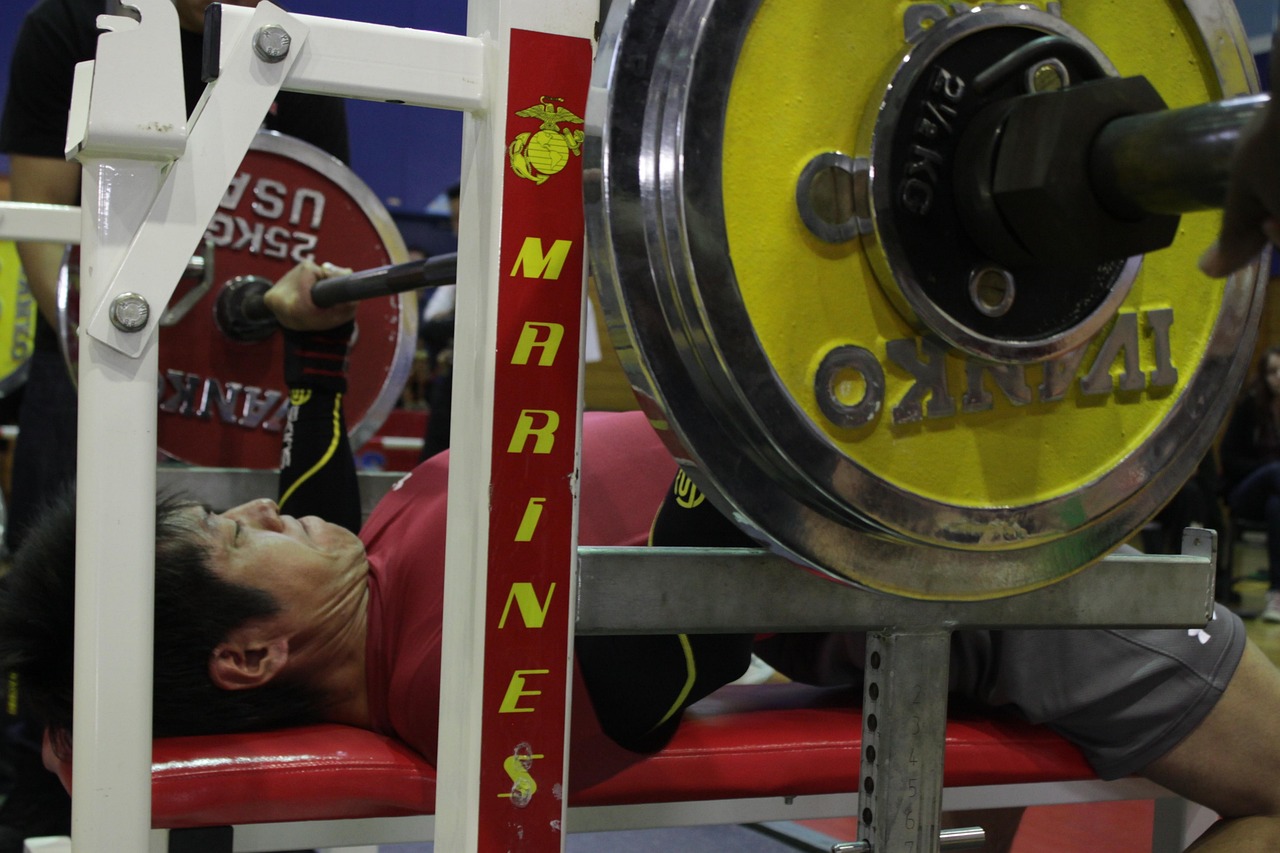
The standard grip, also known as the shoulder-width grip, is the most commonly used grip in the bench press. To perform this correctly, lifters should position their hands slightly wider than shoulder-width apart on the barbell. This grip position allows for optimal engagement of the pectoral muscles while also utilizing the shoulders and triceps effectively. Key benefits of the standard grip include better muscle activation specifically targeting the chest area. Moreover, it helps in promoting overall muscle balance, reducing injury risks, and increasing lifting efficiency. Lifters with broader shoulders might prefer a wider grip; however, adjustments should ensure alignment of the wrists with the elbows. When executed properly, the standard grip will yield positive results for muscle growth and strength. It’s essential to maintain proper form throughout the movement, focusing on controlled descent and explosive ascent during the lift. Additionally, this grip is suitable for a wide range of lifters, making it ideal for both beginners and experienced athletes alike. Ultimately, mastering the standard grip enhances performance and contributes significantly to achieving fitness objectives.
Another popular grip is the narrow grip, which brings the hands closer together on the barbell during the bench press. This technique primarily targets the triceps, making it an excellent choice for those who wish to improve their arm strength and size. To execute the narrow grip effectively, lifters should position their hands approximately shoulder-width or less, ensuring that their elbows stay close to their bodies during the lift. By doing so, the triceps are engaged more effectively, leading to increased arm activation and overall strength development. A fundamental aspect of the narrow grip bench press is maintaining proper form to prevent undue stress on the shoulders and wrists. Lifters should focus on keeping their elbows tucked in and fully controlling the barbell’s movement from start to finish. Incorporating the narrow grip into a workout routine can lead to varied muscle stimulation and balance in upper body development. Furthermore, integrating this grip alongside other variations can help lifters achieve their specific fitness objectives. In conclusion, the narrow grip is an effective technique for enhancing triceps strength.
Wide Grip Technique
On the flip side, the wide grip bench press variation focuses on a broader hand position that can significantly influence both muscle activation and workout outcomes. To perform a wide grip bench press, lifters should space their hands about one and a half to two times further apart than the standard grip. This wider positioning allows for increased emphasis on the outer pectoral muscles while minimizing shoulder strain. It also aids in improving overall stability during the lift due to the wider base. When executed correctly, the wide grip enables greater recruitment of muscle fibers in the chest, potentially leading to enhanced strength gains. Nevertheless, proper technique should still be prioritized. Lifters should practice this grip with light weights to build confidence and ensure efficiency. Moreover, limiting weight training decreases the risk of shoulder injuries commonly associated with improper form. Athletes should focus on controlled movements, allowing for maximum engagement of target muscle groups. Consequently, the wide grip technique is an excellent addition to any lifter’s exercise regimen, facilitating diverse training outcomes.
The grip width chosen for a bench press can influence not only muscle engagement but also how lifters should approach their overall training regimen. Understanding which grip works best for a particular lifter’s body structure is key. Lifters should assess their shoulder flexibility, strength levels, and muscle mass when determining their ideal grip width. Exploring different grips can reveal individual preferences, leading to better workout satisfaction. Furthermore, consistent experimentation allows lifters to discover which variations yield the best results regarding strength and aesthetics. A valuable tip is to keep a workout journal to track progress and insights gained from various grip approaches over time. This practice enables athletes to evaluate their performance accurately while also motivating them to strive for improvement. Ultimately, the right grip will depend on each lifter’s unique goals and preferences. Additionally, incorporating different grips can contribute to a well-rounded upper body workout that promotes balanced strength and muscle gains. Thus, the legacies of various grip techniques can shape a more efficient training program for all lifters.
Incorporating Grip Variations
Incorporating grip variations effectively into a bench press routine can yield tremendous benefits for strength training. Lifters should consider integrating all three major grips—standard, narrow, and wide—into their exercise programming. This will help ensure balanced muscle development while preventing plateaus in strength gains. For those seeking versatility, alternating grip styles each workout session or weekly can elicit new muscle adaptations and growth. In addition, various perspectives on grip use can highlight areas requiring improvement or focus in different workouts. Lifters should approach bench press variations with an open mindset, allowing for exploration of what methods best serve their personal goals. Educating oneself about the mechanics and advantages of each grip type may lead to significant strength improvements and injury prevention. Furthermore, remaining mindful of recovery and proper nutrition is essential for maximizing the gains accrued from cyclical training. Lifters should prioritize their safety and comfort throughout their journey. Consequently, exploring and embracing grip variations will contribute to a stronger foundation in resistance training pursuits.
Finally, understanding and mastering various grip techniques for bench press is vital for both novice and experienced lifters. Prioritizing grip variations allows athletes to target specific muscles more effectively while also fostering a more engaging workout experience. As previously discussed, the standard grip promotes chest strengthening, while both narrow and wide grips address other muscle groups, enhancing overall upper body strength. Additionally, becoming mindful of these differences helps lifters remain injury-free and develop the knowledge necessary to fine-tune their training. Proper education and technique execution play a significant role in the successful application of these grip variations. Learning to communicate with lifting partners about discoverable preferences may dramatically enhance performance. In conclusion, consistency in implementing these strategies can lead to notable strength progress. Through diligent practice, individualized modifications, and thoughtful integration of varied grips, every lifter can work towards achieving their fitness objectives. Embracing the journey and fostering a commitment to exploration not only enhances performance but also cultivates a deeper understanding of weightlifting techniques.