
The Link Between Hormones, Detoxification, and Skin Health
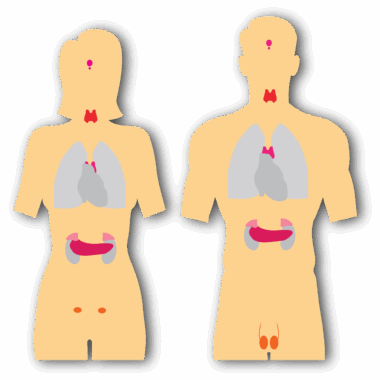
Maintaining a harmonious balance of hormones plays a fundamental role in overall health, impacting various bodily functions including skin health. Hormones such as estrogen and testosterone are pivotal in determining skin elasticity, moisture levels, and pigmentation. Detoxification processes are essential for removing metabolites and toxins that accumulate in the body, potentially disrupting hormonal balance. Efficient detoxification can enhance hormonal function, thereby promoting healthier skin. For instance, the liver, a major detoxifying organ, metabolizes hormones and aids in their clearance. When detox mechanisms are compromised, hormonal imbalances can occur, exacerbating skin issues like acne, eczema, and premature aging. Therefore, supporting liver health through holistic strategies like proper nutrition, hydration, and lifestyle changes, can foster optimal hormone levels that visibly improve skin appearance. Foods rich in antioxidants, vitamins, and essential fatty acids may enhance the liver’s detox abilities, while adequate sleep and stress management also facilitate hormone regulation. It’s apparent that the relationship between hormones and skin health is profound, emphasizing the significance of detoxification in maintaining beautiful, youthful skin.
Understanding Detoxification Processes
Detoxification is a complex series of biochemical processes occurring primarily in the liver, involving multiple enzymes and nutrients to safely eliminate toxins. These toxins can originate from various sources, including environmental pollutants, food additives, and even byproducts of metabolic processes. When the body is overloaded with toxins, hormonal functions may be impaired, leading to systemic issues including skin problems. Proper detoxification involves several key processes: conjugation, where the body makes toxins more water soluble, and excretion through the various organs like the kidneys, skin, and gastrointestinal tract. Supporting these processes requires a diet rich in fiber, antioxidants, and hydration to facilitate the removal of waste. Regular physical activity can also enhance circulation and lymphatic flow, promoting detox. Moreover, practices such as saunas or Epsom salt baths can aid the skin in expelling toxins through perspiration. Incorporating herbal supplements that promote liver function can further enhance detoxification. Ultimately, a well-functioning detox system is crucial for hormone balance, which in turn fosters healthy skin, underscoring the importance of integrating detox strategies into your wellness routine.
The skin is the body’s largest organ and an essential part of the detoxification process, reflecting overall health, including hormonal balance. The relationship between skin health and hormones is critical, as fluctuations can lead to various skin conditions such as acne, rashes, and increased sensitivity. For example, during hormonal changes like menstruation or menopause, women’s skin often becomes oilier or more prone to blemishes due to shifts in estrogen and progesterone levels. These hormonal fluctuations can trigger sebaceous glands to produce excess oil, clogging pores. Additionally, hormonal imbalances may lead to dryness or irritation, compounding existing issues. Furthermore, detoxification processes significantly support skin clarity and texture. If the body cannot effectively remove toxins, it may manifest through the skin, leading to breakouts or dull complexion. Therefore, integrating detox strategies is pivotal for healthy skin. Focus on consuming nutrient-dense foods that promote liver health, like cruciferous vegetables and citrus fruits, along with staying hydrated. Consider exploring herbal teas known for their detox benefits, such as dandelion root and milk thistle, which support both hormone functioning and skin health.
Nutrition’s Role in Hormonal Balance
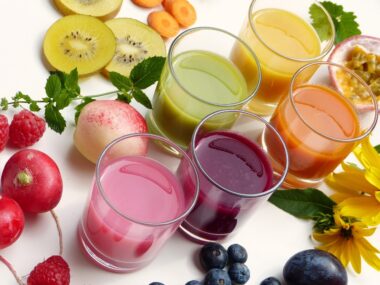
Nutrition plays a vital role in the management of hormones, influencing both detoxification processes and skin health. A balanced diet not only supports liver function but also provides essential nutrients needed for hormone production and regulation. Incorporating healthy fats from sources like avocados, nuts, and olive oil can stimulate hormone production. Antioxidants found in colorful fruits and vegetables protect the body from oxidative stress caused by toxins. This oxidative stress can significantly impact hormonal health and eventually lead to skin issues, highlighting the importance of an antioxidant-rich diet. Foods high in omega-3 fatty acids, such as salmon or flaxseeds, support hormonal balance and combat inflammation, a common contributor to skin problems. Additionally, a diet low in processed foods and refined sugars can help maintain stable insulin levels, preventing excessive oil production that can clog pores. By prioritizing whole, nutrient-dense foods, individuals can create a supportive foundation for hormone balance and detoxification, resulting in improved skin appearance. Educational resources and proper nutritional guidance can aid in optimizing your diet for better hormone and skin health.
Furthermore, lifestyle factors significantly impact both detoxification and hormonal balance, highlighting the importance of a holistic approach to skin health. Regular physical activity is essential not only for overall health but also for maintaining hormonal equilibrium. Exercise stimulates blood circulation, promoting the efficient distribution of hormones and nutrients throughout the body. This enhanced circulation can assist in the detoxification process, delivering oxygen to critical organs including the liver. Moreover, physical activity helps to alleviate stress, a significant disruptor of hormonal balance. Chronic stress raises cortisol levels, which can lead to skin issues such as acne or eczema. Integrating consistent exercise into one’s routine can effectively counteract this. Activities such as yoga and pilates not only improve flexibility and strength but also facilitate mental well-being. Furthermore, ensuring adequate sleep is crucial for hormonal regulation, as most hormone production occurs during deep sleep. Prioritizing quality sleep can enhance hormone levels and aid in detoxification, fostering both physical health and skin vitality. Ultimately, lifestyle modifications coupled with nutritional strategies establish a synergistic effect on detoxification and hormone health.
Stress Management Techniques
Effective stress management encompasses various techniques that offer significant benefits for hormonal health and skin wellness. One effective approach is mindfulness and meditation, which can lower cortisol levels and improve overall mental health. Implementing breathing exercises and yoga can also facilitate relaxation, promoting hormonal balance by reducing stress. Such practices enhance the body’s resilience to the negative effects of stress, ultimately reflecting on skin health. Another strategy involves engaging in hobbies and activities that bring joy, serving as a natural stress reliever. This may include creative outlets like painting, music, or journaling, allowing individuals to express themselves and divert focus from stressors. Additionally, ensuring social support through friendships and community can foster emotional well-being, establishing a safety net during challenging times. Nutritional approaches like adaptogenic herbs, including ashwagandha and rhodiola, may also enhance the body’s response to stress. Consuming dark chocolate in moderation can boost mood and reduce cortisol levels. Fostering a lifestyle enriched with stress management techniques not only nurtures mental health but also harmonizes hormonal impacts on skin health, contributing to overall well-being.
In conclusion, the interplay between hormones, detoxification, and skin health is complex and necessitates a multifaceted approach. By understanding this connection, individuals can make informed choices to enhance their overall health and well-being. A balanced diet, rich in nutrient-dense foods, is paramount for supporting detoxification and hormonal function. Incorporating regular physical activity and stress management strategies into daily life can amplify the benefits of a wholesome diet, leading to efficient detoxification and improved skin health. Furthermore, paying attention to sleep quality can facilitate hormonal regulation, playing a crucial role in skin appearance. Consider incorporating various detoxification practices, such as consuming detox-focused foods and herbal supplements, to optimally support liver function and enhance skin clarity. It’s essential to recognize that taking a holistic approach to health encompasses addressing lifestyle factors, nutrition, and stress management. By implementing these strategies, individuals can positively affect their hormone balance, detoxification processes, and skin health, ultimately achieving a comprehensive sense of well-being. Pay attention to your body’s signals, and adjust your lifestyle choices accordingly to cultivate beautiful, radiant skin.