
Strategies for Efficiently Using Fitness Trackers to Monitor and Improve Athletic Performance
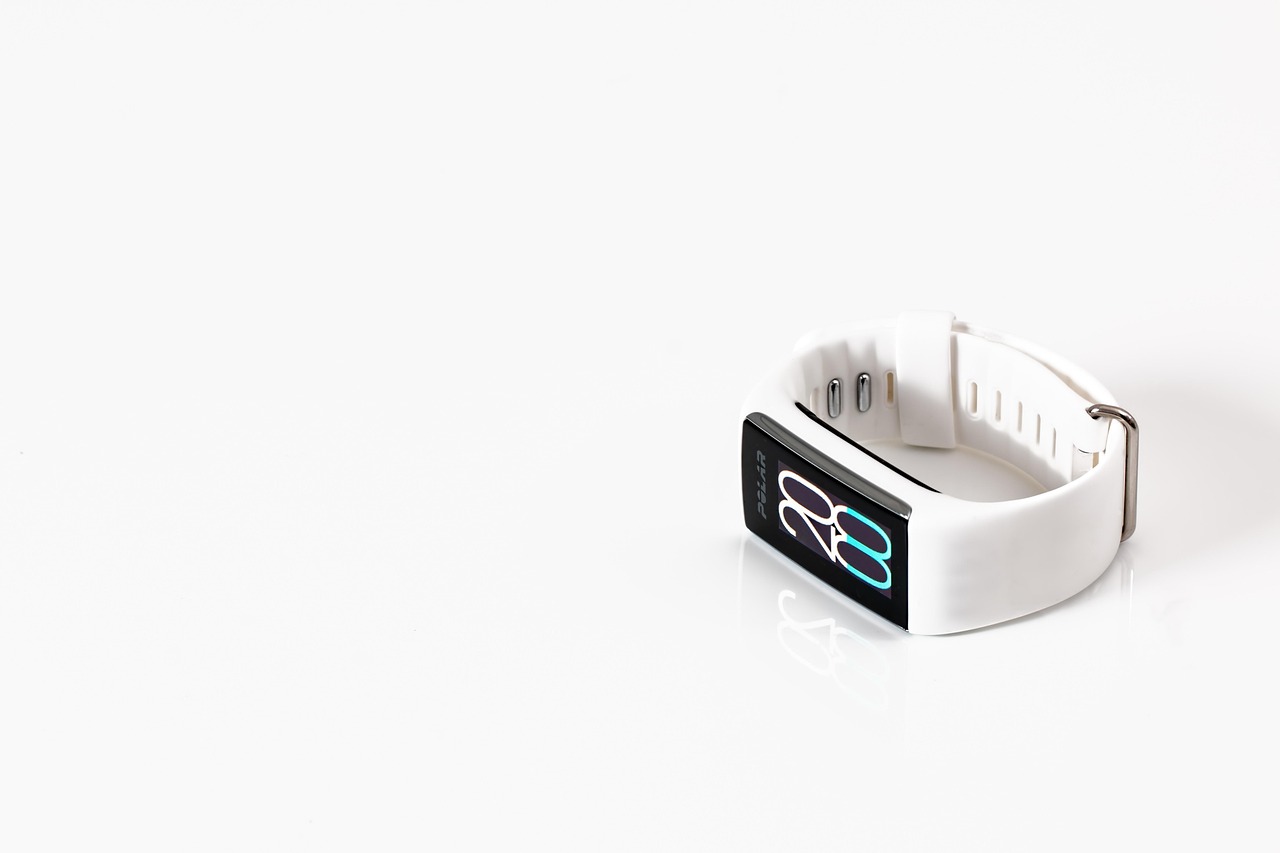
Fitness trackers have revolutionized how athletes monitor their performance. To maximize the benefits of these devices, athletes must familiarize themselves with various features. Fitness trackers can track metrics such as heart rate, steps taken, and sleep patterns, which can significantly impact training. Understanding how each feature influences performance is essential for effective monitoring. For instance, heart rate data can reveal how hard athletes are working during training sessions, allowing them to adjust their intensity levels. Additionally, monitoring sleep quality through a fitness tracker can provide insights on recovery, ensuring athletes are well-rested before their next workout. Using the information provided by the tracker, athletes can set realistic goals that keep them motivated as they progress. To make the most of fitness trackers, athletes should regularly sync their devices with compatible apps to analyze data over time. This comprehensive overview fosters a better understanding of their physiological responses, which can guide training decisions. When used correctly, fitness trackers become powerful tools in an athlete’s arsenal, leading to improved performance and achievements.
Besides tracking fitness data, it is crucial for athletes to interpret their results effectively. Setting SMART (Specific, Measurable, Achievable, Relevant, Time-bound) goals based on gathered data allows athletes to create a clear roadmap for success. For instance, if an athlete discovers a pattern of elevated heart rates during specific running sessions, they might want to adjust their pacing or recovery intervals. This knowledge can prevent burnout and reduce the risk of injury. Additionally, staying consistent with data tracking enhances accountability. Athletes can share their progress with coaches or training partners, fostering a community of support. Regular check-ins on performance metrics can also highlight trends; are there consistent improvements, or do plateaus develop? Moreover, athletes should not only focus on physical metrics but also consider psychological aspects such as motivation and confidence levels. Establishing a balanced approach using tracker data can lead to improved overall performance. Consequently, athletes are better equipped to adapt their training regimens and techniques as required. By prioritizing both physical and mental well-being, athletes can create a tailored training experience that aligns with their performance goals.
Leveraging Technology for Enhanced Training
The integration of fitness trackers into an athlete’s daily routine can significantly enhance training outcomes. These devices allow for continuous monitoring and provide real-time feedback that can be crucial during workouts. Real-time data on heart rate, pace, or distance can help athletes modify their efforts according to their desired training zones. For example, when running, maintaining a specific heart rate zone ensures that an athlete optimizes fat burning or builds endurance. Moreover, utilizing apps that sync with fitness trackers can provide insights such as the time spent in each heart rate zone, giving a clearer picture of workout intensity. Additionally, athletes can use these tools to compare data over days, weeks, or months, helping to identify patterns and adjust training schedules accordingly. The consistency of tracking and reviewing performance metrics can reveal strengths and weaknesses, illuminating areas that require focus. Increased awareness can lead to targeted workouts aimed at improving specific skills. Whether sprinting, lifting weights, or cycling, technology facilitates a more informed and strategic approach to training.
Another significant advantage of fitness trackers lies in their capability to monitor recovery. Athletes often underestimate the impact of recovery on overall performance. By analyzing sleep data gathered by the tracker, athletes can assess their readiness for subsequent workouts. Quality sleep is crucial for physical recovery and mental clarity, both of which are vital for peak performance. Should the tracker indicate insufficient sleep or poor sleep quality, athletes might consider adjusting their bedtime or incorporating relaxation techniques before sleep. Recovery days can also be more effectively timed by looking at weekly tracking analytics provided by these devices. By observing data trends, athletes can recognize when they are reaching the limits of their physical capabilities, prompting them to schedule a rest day or active recovery session. Methods such as yoga or gentle stretching can be incorporated to boost recovery efficiency. Furthermore, nutrition plays a crucial role in recovery, and some trackers can log dietary intake. Paying attention to nutrition can help maximize recovery time, leading to sustained improvements in performance. Adopting a holistic mindset that includes recovery practices can enhance athletic achievements.
Utilizing Data for Performance Improvement
In addition to basic tracking, athletes can greatly benefit from comprehensively analyzing their fitness data. Collecting data over time provides insights into progress and trends that may not be visible without consistent recording. Athletes should focus on metrics relevant to their specific sports, carving out customized reports based on individual goals. For example, cyclists might track their average speed, while runners could aim for longer distance achievements. Furthermore, exporting data to spreadsheets allows for more granular analysis and visualizations, making patterns easier to recognize. Athletes can segment their data further by comparing various workout environments such as indoor versus outdoor or different terrains. This can lead to optimized training conditions that enhance performance outcomes. Diving deep into data analytics fosters a culture of inquiry and adaptability, where performance issues are addressed proactively. It can also strengthen decision-making skills when strategizing for competitions, knowing their personalized statistics can bolster confidence. Thus, athletes become not only users of fitness trackers but also informed data-driven decision-makers dedicated to reaching their athletic potential.
Collaborating with coaches can further enhance the benefits received from fitness trackers. Coaches who understand the functionality of these devices can assist in interpreting the data effectively, offering a professional perspective. Additionally, coaches can create programming that adapts well to the data obtained from fitness trackers, ensuring a more tailored training experience. For example, if data shows that an athlete has consistently improved their pace, the coach may consider incorporating intervals to elevate performance further. Moreover, regular meetings to discuss performance data create a feedback loop essential for continuous improvements. By fostering a partnership based on trust, goals can be monitored, adjusted, and celebrated together. When both the coach and the athlete are aligned in using data-driven insights, accountability flourishes, motivating the athlete to push their boundaries. Coaches can also help athletes recognize moments of stagnation when data suggests insufficient progress. In such cases, modifications to the training regimen can revitalize motivation and performance. This incorporation of technology within the coaching dynamic leads to a more holistic development, improving overall athletic capabilities.
The Future of Fitness Trackers in Sports
As technology evolves, the future of fitness trackers in the realm of sports holds substantial promise. Advances in sensors and artificial intelligence can lead to even more precise tracking and analysis. Future fitness trackers may offer predictive analytics, helping athletes anticipate performance trends before they arise. This capability will empower athletes to train smarter, rather than just harder. Enhanced integrations with virtual coaching can also emerge, providing tailored feedback in real time, as athletes train. Just imagine a system that combines physiological data with professional coaching insights for continually optimized performance. Additionally, the possibility of personalized training regimens delivered directly through devices will redefine self-coaching. Furthermore, augmented reality features may assist in analyzing form and technique as athletes train, leading to safer and more effective training sessions. Enhancements in battery life and device durability will ensure that athletes can seamlessly track their performance under various conditions. As sports technologies continue to advance, the potential for developing more effective and integrated training solutions appears limitless. Thus, athletes can look forward to more innovative strategies in utilizing fitness trackers to refine their skills.
The integration of community in using fitness trackers can also prove beneficial. Encouraging the joining of groups or challenges through tracking apps fosters motivation and camaraderie. Sharing achievements and partaking in friendly competitions promotes engagement and enhances enjoyment in training. With leaderboards, athletes can visualize their standing compared to peers, motivating them to improve. Collaborating on workouts, even virtually, can build a strong support system that holds athletes accountable. Through social engagement, athletes can celebrate milestones with their peers, instilling a sense of accomplishment. Moreover, utilizing social media platforms permits athletes to share their fitness journeys, offering inspiration and attracting positive accountability from others. Regular interaction with a community can also provide valuable peer advice, contributing to collective improvement. Thus, athletes should not underestimate the power of shared experiences in achieving personal goals. Incorporating fitness tracking within this communal framework will add an element of fun and support that may lead to sustained long-term commitment. In conclusion, harnessing technology while connecting with others provides a framework for success. Fitness trackers serve as powerful tools in the pursuit of athletic excellence.