
Safe Resistance Training Techniques for Postpartum Women
Postpartum fitness entails various methods and practices for women recovering from childbirth. One vital aspect is strength training which, when done safely, can help restore muscle tone, enhance energy levels, and alleviate postpartum symptoms. As many new mothers experience physical changes after giving birth, it becomes essential to focus on specific techniques to ensure a safe and effective training routine. Before engaging in any postpartum workout, it is crucial to consult with a healthcare professional for personalized advice. Commitment to a regular fitness program can lead to numerous benefits, such as increased strength, improved mood, and better overall health. However, one-size-fits-all approaches should be avoided as each woman’s body responds differently. The priority should always be on safety and gradual progress. Start slowly, paying attention to your body’s cues, and adapt the training intensity over time. Targeting key muscle groups with bodyweight exercises, resistance bands, or light weights can promote recovery. Always keep hydration in mind and incorporate stretching to maintain flexibility as you progress in your fitness journey.
Understanding the Core and Pelvic Floor
After giving birth, many women experience changes in their core and pelvic floor strength. Understanding the anatomy and function of these critical areas can inform strength training decisions. The core comprises various muscles, including the abdominal wall and back muscles, which stabilize and support the spine. The pelvic floor, on the other hand, supports pelvic organs and maintains bladder and bowel control. Engaging in specific exercises ensures both regions strengthen gradually. Focus on pelvic floor exercises, such as Kegels, to improve support before progressing to more strenuous activities. Additionally, a strong core helps prevent back pain and injuries that may occur when lifting a baby or performing daily tasks. Start with gentle core activation exercises such as diaphragmatic breathing and pelvic tilts. As strength improves, incorporate modified planks or side-lying leg lifts. Listening to your body and progressing based on comfort is key to effective training. Remember that it’s okay to rest during workouts, as postpartum recovery takes time. With dedication and the right techniques, you can regain your strength safely and steadily.
Good breathing techniques are essential for optimizing strength training during the postpartum period. Proper breathing not only enhances exercise performance but also supports muscle activation, particularly in the core and pelvic floor areas. Women should practice deep diaphragmatic breathing through the nose, expanding the diaphragm and allowing the belly to rise. Inhale deeply as you prepare for an exercise, engaging your core, and then exhale as you perform the movement. This method helps maintain engagement of the pelvic floor and core stability during resistance training. Moreover, maintaining a focused breath can help manage stress and promote relaxation, which is crucial for new mothers. Explore various breathing patterns during exercises, such as exhaling during exertion and inhaling during relaxation phases. As you progress with your strength training, be aware of how your breath affects your movements. By reinforcing good breathing habits, you’ll improve your overall performance and enhance recovery. Incorporating mindfulness techniques can also foster a deeper connection with your body during workouts. A calming atmosphere, combined with strategic breathing, can yield a highly beneficial training experience.
Choosing Appropriate Resistance Levels
Determining appropriate resistance levels in postpartum strength training is vital for safety. Starting with bodyweight exercises allows you to assess your strength before introducing any weights or resistance bands. Gradually increase the challenge as your body adapts, using lighter weights to further ensure safety. Factors to consider include how fatigued you feel, your ability to maintain good form, and whether your body feels stable during movements. Abandon exercises that cause discomfort or pain, and always listen to your body. Initially, focus on higher repetitions with lower resistance, working towards improving muscular endurance and control in core and pelvic floor muscles. Over time, as strength increases, incorporate heavier weights while reducing repetitions to build strength and muscle mass. Engaging a fitness professional can provide valuable guidance on selecting resistance levels tailored to your specific needs. Remember that slow, progressive increases foster lasting improvements. Emphasizing quality over quantity is crucial to prevent injuries and setbacks. Proper progressions are key to long-term fitness benefits as you gradually regain your strength during the postpartum period.
Proper warm-up and cool-down routines are vital components of a postpartum fitness regimen. Before beginning any strength training session, dedicate 5 to 10 minutes for warming up. This practice prepares your muscles and joints for the workout, reducing the risk of injury. Gentle movements, such as walking or light dynamic stretches, can help increase blood flow and elevate your heart rate. Pay close attention to specific areas, including the hips, pelvis, and back, as these are crucial for postpartum recovery. After your workout, a cool-down routine becomes equally essential. This involves gradually lowering your heart rate and practicing stretches to maintain flexibility and prevent stiffness, especially in the muscles worked. Incorporating full-body stretches and deep breathing during the cool-down period signals to your body that it is time to relax and recover. This also helps in maintaining focus and mindfulness in your practice. Remember to hydrate during your sessions, as proper hydration is crucial for recovery and performance. By maintaining a structured warm-up and cool-down routine, you’ll enhance your overall fitness journey while fostering safety.
Poses That Support Strength Training
Incorporating specific poses into your postpartum strength training routine can enhance your fitness efforts. Focus on exercises that prioritize core engagement, stability, and overall strength. Consider modified squats to support lower body strength while being gentle on the pelvic floor. Bridge lifts are another excellent option for strengthening the glutes and lower back while supporting abdominal engagement. Planks, particularly modified versions, can effectively build core stability if approached slowly and with proper form. Additionally, exploring yoga poses such as Cat-Cow or Child’s Pose is great for improving flexibility and relieving tension. These poses enable you to connect with your body and enhance overall mobility. Resistance band exercises can also be beneficial, targeting various muscle groups while allowing controlled movements. Establish a routine that incorporates a mix of these poses for balanced training, adapting intensity suitable for your ability and recovering postpartum body. Furthermore, explore your comfort level and modify as necessary. Prioritize gradual progress to cultivate strength while keeping in mind your postpartum recovery.
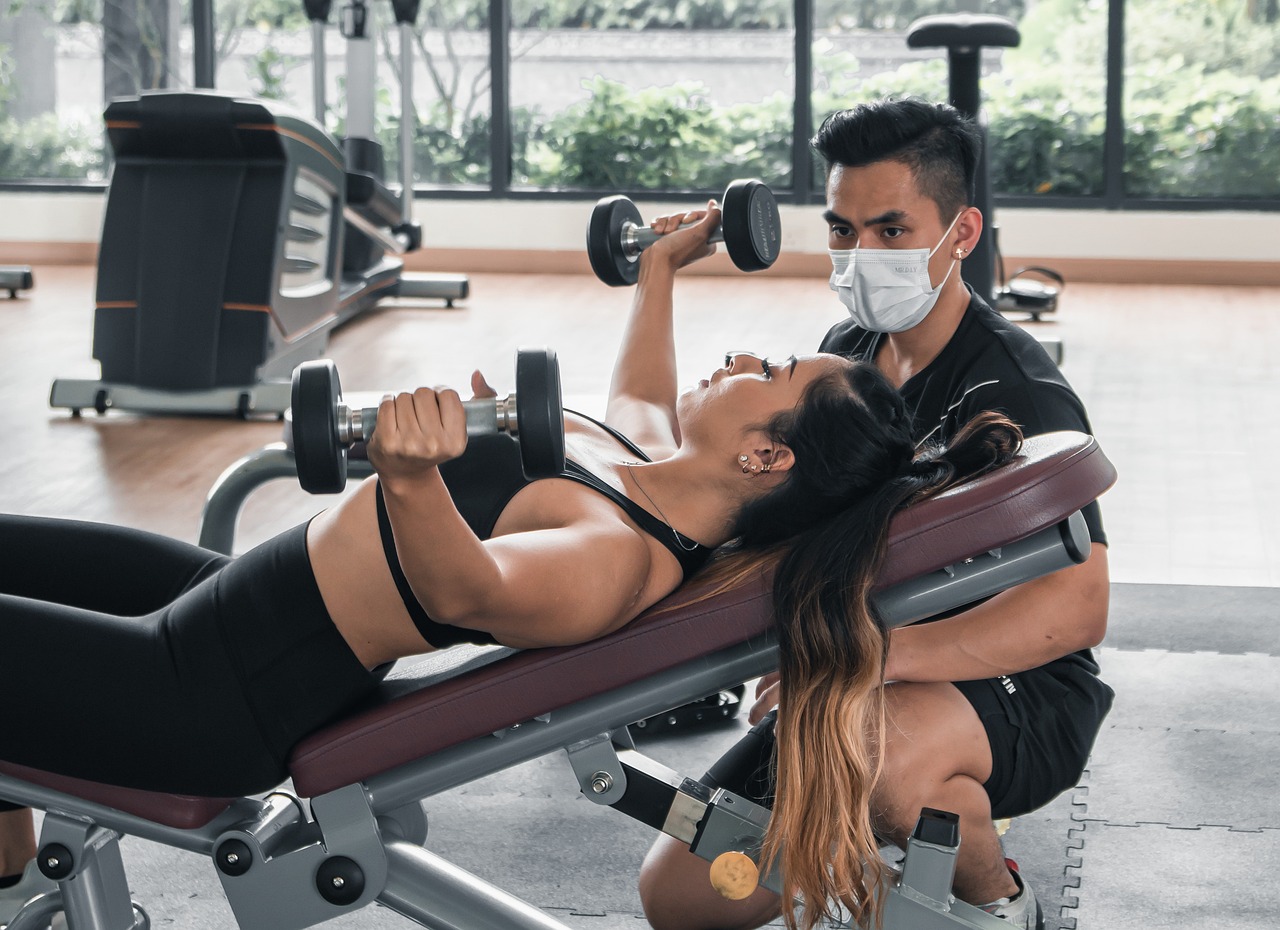
Lastly, community support and professional guidance play crucial roles in postpartum fitness journeys. Connecting with other postpartum women can provide emotional encouragement and sharing of experiences. Group classes tailored specifically for postpartum women offer opportunities for motivation and accountability. Many mothers find strength in joining workout sessions with peers who understand their challenges. Additionally, seeking advice from health professionals, such as physiotherapists or certified personal trainers, specializing in postpartum care can ensure a safe fitness experience. Not only do they provide valuable insights into effective exercises, but they can also help track progress and adjust routines as necessary. Look for community resources that support postpartum fitness, such as local fitness studios or online forums. Many organizations host events focusing on women’s health and wellness, empowering new mothers with knowledge and resources. Establishing a network of support can significantly enhance your motivation and commitment to your postpartum fitness journey. Reach out, connect, and remember that fitness is a personal journey; integrating support systems can make it a more enriching experience.
{