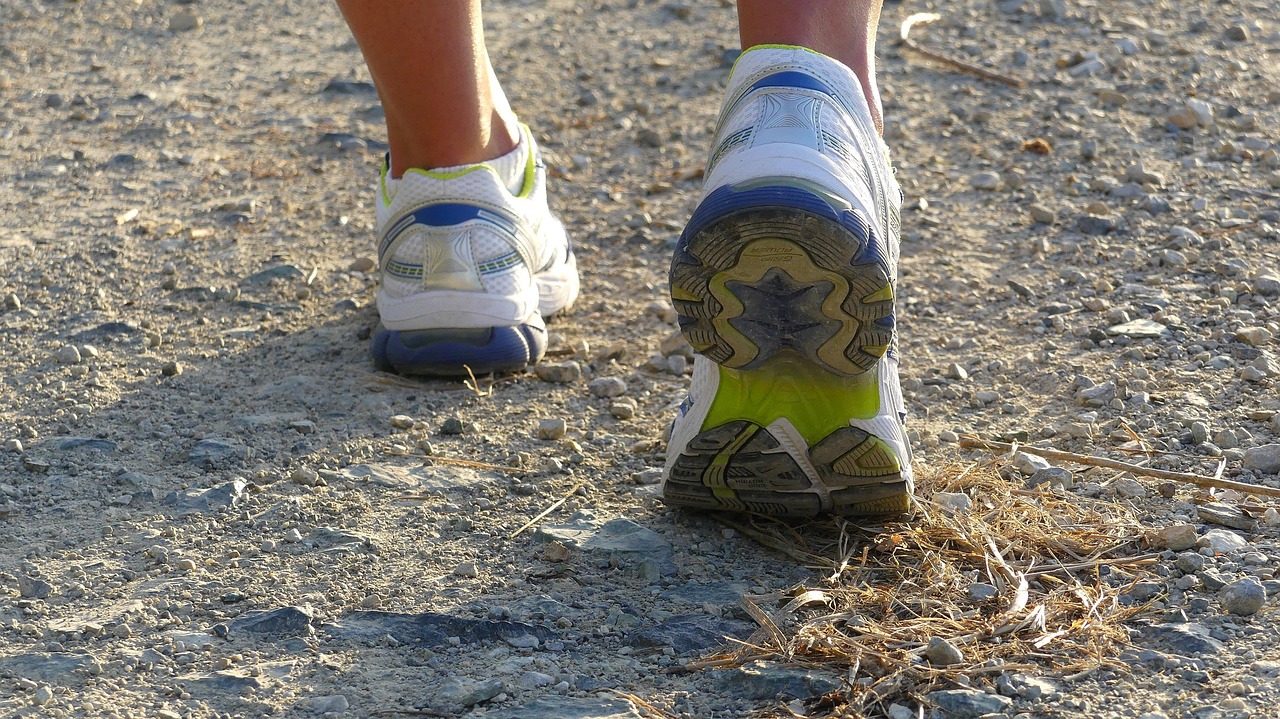

The Importance of Rotating Running Shoes for Better Performance
When it comes to running efficiently, the significance of rotating your running shoes cannot be overlooked. Many runners often stick to a single pair until they wear out, but doing so may actually hinder performance. Each shoe is designed differently and serves specific purposes, thus rotating helps maintain optimal support and cushioning. By alternating between pairs, you give each substantially needed time to recover from the stress that comes with your running routine. This recovery time can enhance the longevity of the shoes, as well as promote better foot health and performance. Keeping your feet safe from injury is crucial in maintaining your overall running routine. Regularly switching between shoes gives muscles in your feet and legs varying support. This variation can help to reduce the risk of overuse injuries attributed to consistent repetitive motions. Moreover, different terrains may benefit from varying types of shoes, maximizing traction and comfort as conditions change. In essence, shoe rotation should be an essential part of a runner’s routine to achieve better performance while minimizing injury risk.
Throughout every mile you conquer, understanding how to maintain your running shoes complements shoe rotation. Proper maintenance extends the lifespan and performance of your footwear. After each run, consider simple cleaning techniques to remove dirt and mud, preventing the material from deteriorating. It is important to store shoes in a dry, cool place away from direct sunlight, which breaks down shoe materials over time. Ensuring that your shoes properly dry between runs is equally essential, as moisture may lead to mold or unpleasant odors. Shoelaces should be replaced as they wear down to maintain a secure fit; frayed laces might compromise shoe stability. Additionally, investing in insoles can provide added support and cushioning while rotating between different pairs. A shoe’s midsole, where much of the structural support comes from, can degrade quicker. Monitoring your shoes for any signs of wear, like reduced cushioning or visible creasing in the midsole, is critical. It’s advisable to watch mileage differentiation, as tracking how many miles each pair has run can aid in timing replacements effectively and safely, ensuring the best performance on track.
Different Types of Running Shoes
There are numerous types of running shoes available, each tailored to specific needs and preferences. Selecting the right kind can optimize your running experience, but it’s increasingly beneficial when paired with shoe rotation. For example, trainers typically offer cushioning and support for daily runs. Racing flats are lighter, intended for speed over short distances, enhancing performance but lacking in cushion, which is ideal for competitive runners. Trail running shoes provide extra grip for uneven terrain, protecting your feet from sharp objects and providing stability. The varied designs serve distinctive functions, which is why having multiple choices enables you to adapt based on your training routine. However, incorporating different types of shoes can yield advantages in preventing injuries and improving performance. For instance, if you normally train in cushioned shoes, switching to lighter shoes occasionally can enhance proprioception and overall strength. Ultimately, being mindful of how different types of shoes impact your running style will lead to greater enjoyment and better results. Committing to multi-functional footwear empowers flexibility in running, which is vital for any serious runner.
In addition to shoe types, pay attention to the biomechanics involved in your running style. Everyone possesses unique foot shapes, pronation levels, and running patterns that can highly influence shoe performance. Understanding your biomechanics can be crucial in finding a suitable pair to rotate with. An excellent starting point involves visiting a specialty running store that can assess your gait, foot structure, and existing injuries. Analysis might indicate the need for stability shoes or those with enhanced cushioning for excessive pronation. That’s where rotation can play a synergistic role: varied shoe types can complement your specific running mechanics. Trying out different shoes periodically will allow you to notice which features help boost your performance and comfort. For runners with specific athletic goals, using shoes that target pressing issues while rotating between pairs can allow improved adaptation to outdoor challenges. In essence, taking charge of your biomechanics not only impacts gear selection but can also reduce injury susceptibility. This knowledge emphasizes the necessity of incorporating heel drop, cushioning types, and widths during the rotation process to achieve improved running outcomes.
Benefits of Shoe Rotation
Implementing a routine that includes rotating your running shoes induces numerous benefits that can significantly aid your training process. Firstly, wearing different pairs allows your muscles to adapt to varied heights and supports thus avoiding strain. This adaptability promotes overall strength in your legs, feet, and ankles, which becomes increasingly essential as you log more miles. Secondly, increased airflow is achieved when switching shoes, allowing them to dry out effectively preventing the buildup of moisture and odor. Additional benefits are linked to motivation; running in a fresh pair may enhance enthusiasm, stimulating mental focus during training. Shoes that might feel soft and lighter can create a different experience, enhancing the connection between the runner and terrain. This psycho-physical boost, while minor, can result in superior performance during runs and races. Furthermore, differing outsole materials will assist in providing traction and cushioning suitable for diverse seasons and terrains. Alongside these advantages, rotating running shoes can lead to significant monetary savings in a long-range view by extending the functional lifespan of all pairs involved in the process, making it an attractive practice.
Having established the necessity for rotating shoes, let’s delve into the optimal strategies to implement this practice effectively in your routine. The first step is to establish a rotation schedule, which could be as simple as designating certain shoes for specific weekly runs. Begin by integrating a new pair gradually, alternating it with your regular footwear until they are fully broken in. The mileage limits for each pair should be monitored to sustain performance, helping you determine when to retire them. You could allocate certain shoes for longer runs and others for speed workouts, ensuring they serve designated purposes. Another strategy involves labeling your shoes according to mileage or use, keeping track of wear over time. Creating a small log may help you maintain a record of the distances run, warranties, and potential replacements, as this could keep your running gear organized. Regular evaluations of shoes will reveal wear and tear patterns, informing decisions about transitioning to new ones. Taking a comprehensive approach to monitor performance will ensure that you derive maximum benefit from your shoes and enhance your overall running experience.
Conclusion
In conclusion, rotating your running shoes is more than a mere recommendation; it’s a crucial recovery strategy. The positive repercussions such as reduced injury risks, enhanced performance, and the enjoyment gained from varied experiences are significant. Therefore, novice and experienced runners alike should prioritize this practice ahead of races or even casual runs. Complementing shoe rotation with proper maintenance further ensures longevity and optimal performance. Trying different types of running shoes provides a personalized balance between comfort preferences and biomechanical considerations tailored to a runner’s specific needs. As you embark on each run, remember the power of adaptation achieved through rotation, increasing leg strength with each mile logged. Committing to a flexible running shoe routine that accommodates your unique biomechanics while maintaining shoe integrity will encourage long-term adherence to your running routine. The adventure to explore flavors, terrains, and diverse running experiences is endless. Consequently, embracing this philosophy of regular shoe rotation guarantees that you remain engaged and injury-free. Making a valid effort to invest in your running requires not just determination but also wise strategies like shoe rotation for holistic development and success in your running journey.