
Incorporating Judo Drills into Your Fitness Routine
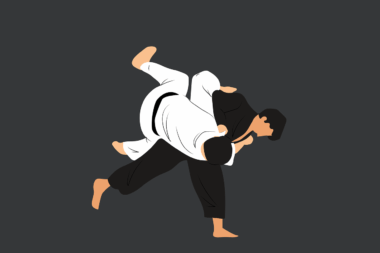
Judo is not just a martial art; it is an excellent way to boost personal fitness while learning self-defense. When integrating judo drills into your fitness routine, the objective is not only to enhance physical strength but also to improve flexibility, balance, and coordination. One significant aspect of judo is the variety of techniques that can provide an all-around workout experience. Practicing throws, holds, and falls entails engaging multiple muscle groups, which can significantly enhance core strength. Additionally, these drills can be performed with a partner or solo, making them adaptable to any fitness environment. While many mistakenly perceive judo as strictly a combat sport, it encompasses refined movements that promote functional fitness. By incorporating judo drills, you’ll enhance cardiovascular endurance via rigorous training sessions. Moreover, practicing judo builds discipline, focus, and respect, essential traits in a successful fitness journey. It’s important to begin with basic techniques before advancing to more complex moves as this aids in better body control and reduces injury risks. With regular practice, participants experience a sense of accomplishment, further motivating them to continue their fitness journey.
The Benefits of Judo Drills
Incorporating judo drills into your fitness regimen offers numerous benefits that go beyond self-defense. These drills improve agility, strength, and overall body awareness. One of the primary advantages is the improvement in flexibility, which is vital for many physical activities. As you practice various techniques, your body learns to execute diverse movements fluidly, contributing to better athletic performance. Additionally, judo is an intense workout that significantly benefits cardiovascular health. Incorporating judo exercises into your routine can assist in boosting stamina and endurance, allowing you to engage in other activities with greater intensity and longevity. The dynamic nature of judo enhances muscle tone and helps in effective weight management as you burn substantial calories during training. Beyond physical benefits, practicing judo instills a profound sense of mental resilience and focus, which can translate into your daily life. Engaging in regular judo practices can also foster camaraderie and community among participants. Whether you’re a beginner or more advanced, judo drills can be tailored to meet individual goals while ensuring continuous personal growth on and off the mat.
Integrating judo drills requires a structured approach to ensure effectiveness and safety. Start by incorporating a warm-up routine that emphasizes mobility and stretching, crucial components for injury prevention. Following the warm-up, practice basic judo stances and footwork, which serve as the foundation for all techniques taught in judo. Progressive learning involves focusing on specific drills, such as breaking falls or practicing different throws, allowing your body to adapt gradually to the sport’s demands. Each session can conclude with a cooldown period that aids recovery and relaxation. Monitoring your progress is critical; whether through personal reflections or recording performance metrics, tracking your improvement can be motivating. Make it a habit to set specific goals, such as mastering a particular throw or increasing the number of repetitions over time. Additionally, seek feedback from experienced practitioners or instructors to fine-tune your technique, which not only enhances safety but also promotes efficiency. Integrating these structured methods ensures a balanced approach to incorporating judo drills into your daily fitness routine and allows for steady progression toward proficiency.
Judo Drills for Strength and Conditioning
Judo offers a multitude of drills that effectively target strength and conditioning simultaneously. For instance, practicing uchikomi, which involves repetitive practice of entry techniques, not only hones skill but also builds muscle endurance in your legs and core. Another effective drill is known as newaza, which focuses on ground fighting techniques and enhances overall strength. Engaging in these drills can turn your judo practice into a vigorous workout that challenges your physical limits while empowering your self-defense capabilities. Combining these drills with strength training exercises, such as squats or push-ups, can maximize gains and diversify your routine. Moreover, incorporating partner drills, like Tachi-waza, provides an excellent way to apply your strength in real-life scenarios while enhancing your timing and reflexes. Judo helps in building functional strength through dynamic movements, which translates well into other sporting activities. As your skills improve, you’ll experience increased confidence in your abilities. Therefore, being consistent with these drills encourages a strong connection between technique and fitness. Your experience with judo drills can also pave the way for greater participation in competitive settings if desired.
Incorporating judo into your fitness routine can also serve as a significant stress relief mechanism. Physical activity naturally releases endorphins, often referred to as ‘feel-good’ hormones, which can transform your mood and overall outlook on life. Judo’s dynamic movements allow for the expression of energy, aiding in emotional release and mental clarity. Moreover, the discipline practiced within judo nurtures a stronger mind-body connection, encouraging mindfulness that is vital for mental health. During training, the focus shifts momentarily away from daily stresses as practitioners immerse themselves into the techniques and movements. Many individuals report feeling empowered after training sessions, attributed to the mastery of techniques and progress they observe over time. Continuing this practice evolves into a regular activity that not only supports physical fitness but also provides a much-needed escape from everyday tension. By embracing judo drills, practitioners create a positive feedback loop that enhances fitness results and mental well-being simultaneously. Thus, incorporating judo into your fitness routine can ultimately lead to a more balanced lifestyle.
Setting Realistic Goals with Judo
A critical element when integrating judo drills into your fitness routine is setting realistic goals. Goals should be specific, measurable, achievable, relevant, and time-bound to ensure effectiveness. Start by determining what you hope to accomplish through your judo practice. Whether your goal is related to improving your technique, increasing physical fitness, or preparing for competition, identifying your target can guide your training sessions. For beginners, short-term goals like mastering basic footwork or learning proper falling techniques can pave the way toward more advanced aspirations. Utilizing a tracking system, such as a workout log, can help measure progress effectively. Share your goals with training partners or coaches who can provide support and accountability, nurturing an encouraging training environment. Further, ensure your goals are adaptable, allowing for adjustments based on your physical and mental responses during training. This approach prevents disappointment and sustain motivation. Regularly revisiting your goals and celebrating milestones, no matter how small, can enhance your overall judo experience and instill a sense of accomplishment. Embracing this structured goal-setting approach will improve your confidence and overall performance in both judo and personal fitness.
Adopting judo drills into your fitness routine can create a fun and engaging atmosphere for personal development. Judo’s unique approach can transform typical drills into valuable exercises that develop social interaction and community spirit. By training with partners, you become part of an enriching environment that encourages learning and growth, making fitness a shared journey. Joining a local judo club or participating in group classes can amplify these benefits. The sense of accountability often established within groups enhances commitment to regular training. Such social interactions provide motivation, as working with others empowers you to push through physical barriers together. Furthermore, the camaraderie built during judo training fosters trust and respect, vital components of any successful learning experience. Embracing the cultural aspects of judo, including learning the history and tradition of the martial art, can deepen your connection and appreciation for the practice. This added dimension can further enhance your motivation to continue and improve. Therefore, fostering relationships within a judo community not only improves your physical fitness but enriches your life through connections and shared experiences.
In conclusion, incorporating judo drills into your fitness routine can yield remarkable benefits that extend beyond physical fitness. Combining techniques learned from judo with general conditioning offers an effective training regimen that builds strength, agility, and mental resilience. The versatility of judo drills accommodates beginners and advanced practitioners alike, creating opportunities for growth at every skill level. By focusing on proper technique and gradual progression, practitioners set the stage for sustained improvement and safety. Additionally, judo’s emphasis on discipline not only enhances physical prowess but cultivates essential life skills such as focus and respect for others. The shared experiences generated within a judo community encourage motivation and accountability among participants, amplifying overall well-being. Balancing physical exertion with mental awareness creates a holistic approach to fitness that benefits both health and emotional well-being. As you continue to incorporate judo drills into your routine, take time to reflect on your journey, celebrating achievements and embracing challenges. It’s this ongoing process that can truly transform your fitness experience, helping you cultivate a lifelong love for activity and self-improvement.