
Hydration and Electrolyte Balance for Injury Prevention
Maintaining proper hydration and electrolyte balance is essential for triathletes in preventing injuries. Dehydration can lead to reduced performance and increased risk of injury. It’s vital to understand how the body loses water and electrolytes during training and events. Water loss occurs through sweat and respiration, and inadequate intake can cause muscle cramps and fatigue. Electrolytes like sodium, potassium, and magnesium play crucial roles in muscle function and hydration. As athletes, focusing on hydration strategies before, during, and after training can mitigate these risks. To start, calculate your sweat rate during training sessions. Weigh yourself before and after workouts to determine how much fluid is lost. This information will help customize a hydration strategy tailored to your individual needs. Consistent hydration during exercise not only supports performance but also accelerates recovery. Therefore, carry water or electrolyte drinks during longer rides or runs, establishing routines that promote a habit of checking fluid levels throughout the day. Including foods rich in electrolytes can also support your hydration efforts. Some alternatives include bananas for potassium, nuts for magnesium, and pickles for sodium. By being proactive, you can help prevent injuries.
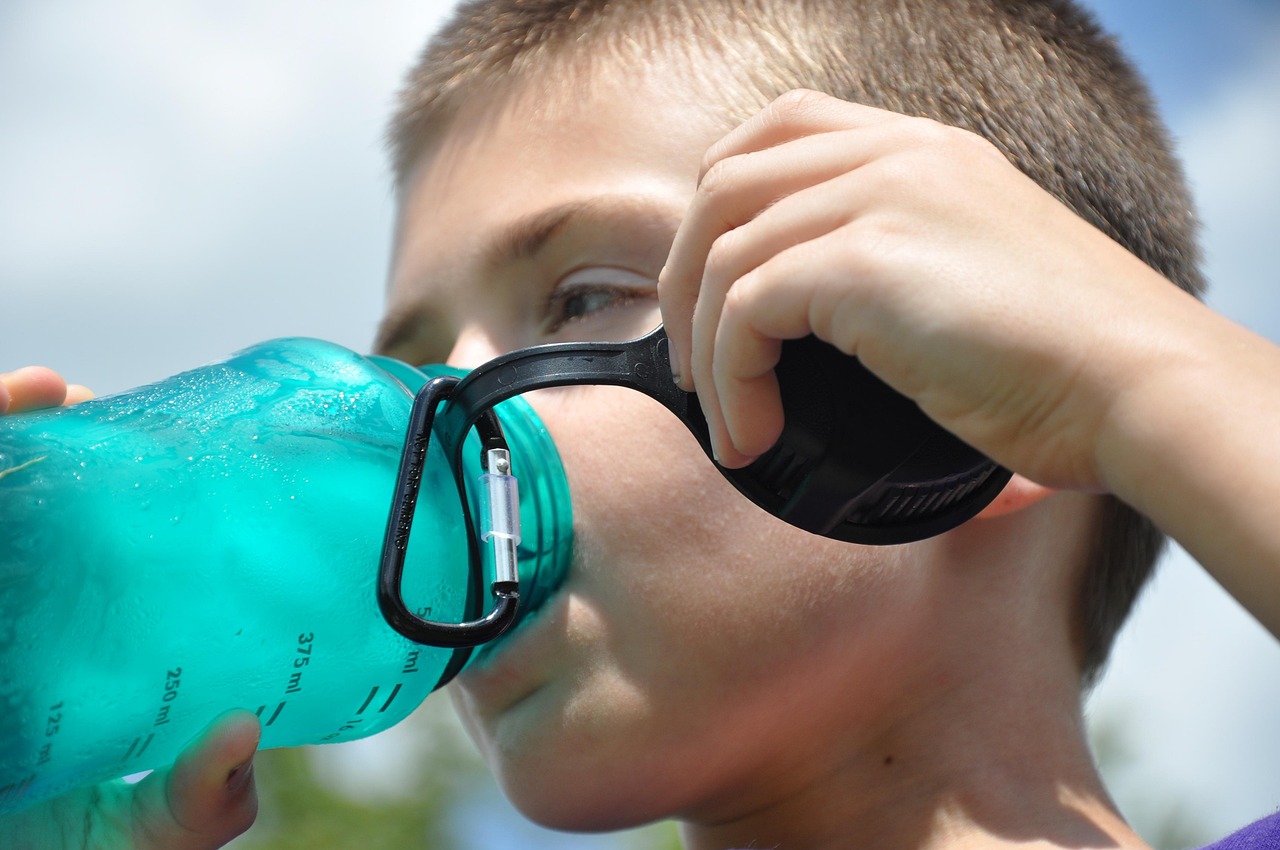
Adequate hydration isn’t just about drinking water; it’s also essential to take into account the consumption of electrolytes. During intense training, electrolyte losses can be substantial, especially in hot conditions. Sodium, potassium, calcium, and magnesium are all important components that need replenishing post-exercise. A good rule of thumb is to start hydrating several hours before exercise begins, ensuring optimal fluid levels. In addition to water, electrolyte-enhanced drinks can provide the necessary balance that plain water may lack. Look for beverages containing natural ingredients without excessive sugars. Many commercially available energy drinks contain added sugars, which can lead to rapid energy spikes followed by crashes, impacting your performance adversely. Alternatively, homemade electrolyte drinks can be replete with essential minerals without the added artificial components. Combining water with a pinch of salt and citrus juice can offer a tasty way to enhance hydration. Regularly consuming electrolyte-rich snacks post-workout can also help maintain balance. Snacks like yogurt, nuts, and whole grains are good sources. Furthermore, monitoring your body’s thirst signals is essential. Listen to your body and drink proactively, as waiting until feeling thirsty can be too late.
Signs of Imbalance and Dehydration
Recognizing the signs of dehydration and electrolyte imbalance is critical for injury prevention among triathletes. Sometimes, dehydration is not immediately noticeable. Early signs include fatigue, dizziness, dry mouth, and decreased concentration. As dehydration worsens, it may lead to muscle cramps, elevated heart rate, and overheating. Athletes often mistake these symptoms for general tiredness or lack of motivation. Furthermore, electrolyte imbalance can sometimes produce symptoms such as headaches, nausea, or difficulty sleeping. These symptoms can severely affect training and performance. It’s essential to improve awareness related to hydration needs and self-assessments. Regular hydration checks during runs or bike rides can help gauge fluid intake effectiveness. Also, track urine color—pale straw yellow indicates proper hydration. Dark yellow can be a sign of dehydration, signaling the need for fluid intake. Moreover, implementing a hydration plan for different training conditions is essential, as climate plays a significant role in fluid requirements. Train for various conditions to prepare your body to handle changes in heat, humidity, and duration. By learning to recognize these signs, you can take proactive measures and adjust hydration practices accordingly.
Proper nutrition also enhances hydration and electrolyte balance, aiding injury prevention. Consuming a nutrient-balanced diet is foundational for any athlete’s training program. Foods rich in vitamins, minerals, and especially antioxidants can support your body’s function and recovery processes. Focus on incorporating fruits and vegetables in various colors for optimal nutrient diversity. For instance, spinach and kale supply essential minerals, while bananas provide potassium. Consuming meals rich in carbs before workouts can help fuel performance and support hydration. Another benefit of whole foods is that they often contain natural water content, contributing to your hydration levels. Foods such as cucumbers, oranges, and strawberries have high water content, serving dual purposes. Including these foods during meals or as snacks can enhance overall hydration strategies. Also, consider the timing of your meals and snacks around workouts. Eating too close to an exercise session can lead to discomfort. Allow at least 1-2 hours before engaging in vigorous training. As you hydrate and eat, combine carbohydrate and protein sources post-workout. Research indicates this combination can effectively aid muscle recovery and maintain electrolyte levels, sustaining peak performance.
Planning for Events and Training
Planning your hydration and electrolyte strategies for events is just as crucial as training itself. Before race day, develop a personalized hydration plan based on your sweat rate and trial it during training sessions. Different scenarios like temperature and event duration will affect your needs. When participating in long-distance events, carrying hydration systems such as belts or packs can keep you hydrated at regular intervals. Practice these methods during training so you’re accustomed to them on race day. Additionally, strategize your electrolyte intake to match your sweat loss. Know that consuming electrolytes solely during races can be inadequate. Implement a strategy where you often replenish electrolytes in your daily meals and training routines. For example, aim for at least one electrolyte-rich food item or drink daily post-training. During events, find a rhythm of drinking every 15 to 20 minutes, taking small sips rather than large gulps. This approach minimizes the risk of gastric distress while ensuring consistent hydration. Also, ensure you adapt to weather conditions accordingly. Be prepared with strategies for any potential challenges while effectively maintaining hydration and electrolyte balance.
Understanding how to recover effectively from workouts should also encompass hydration practices. Post-exercise, the body experiences depletion of both fluids and electrolytes, making recovery paramount. Rehydrating within the first 30 minutes post-exercise is ideal for optimal recovery benefits. During this window, reach for electrolyte-rich drinks or protein shakes designed for your target recovery goals. Drinking water alone may not suffice in restoring lost electrolytes strictly. Emphasis should be placed on a holistic recovery strategy incorporating hydration, nutrition, and rest. For instance, after training, consume a balanced meal containing carbohydrates, proteins, and healthy fats. This meal can facilitate the replenishment of glycogen stores while balancing electrolytes. Furthermore, consider leveraging your sleep as part of the recovery process. Consistent high-quality sleep is key to allowing your body to restore itself. Be mindful of your overall hydration levels before sleeping to avoid waking up dehydrated. Creating a hydration routine that includes regular checks pre and post-exercise can establish solid habits. By implementing this, you can continually improve performance while significantly lessening injury risk when practicing appropriate hydration and nutrition strategies.
Conclusion
In conclusion, hydration and electrolyte balance are vital aspects of injury prevention in triathlon training. Each triathlete must prioritize their fluid intake strategies to execute optimal performance successfully. By understanding your unique hydration needs and implementing a structured plan, you can promote recovery and enhance endurance. Remember, small changes such as regular hydration checks, electrolyte replenishment, and nutrient selection can contribute enormously in the long run. Use practical methods to gauge your fluid consumption, adapt your strategies, and stay attuned to your body’s signals. Engaging in a well-rounded approach that includes hydration, nutrition, and rest creates a sustainable training program. Moreover, participate in regular self-assessments during training to gather data articulating your specific needs. If you’re uncertain, consider consulting with sports dietitians for personalized hydration plans. Ultimately, taking proactive steps toward maintaining hydration and electrolytes will empower you to achieve your athletic goals. Being attentive to these factors can propel performance and reduce the risk of injuries. Commit to incorporating these strategies for a healthier, more sound training experience. Start making small adjustments today towards your hydration habits and enhance your overall athletic potential.
In addition to well-publicized strategies, it’s crucial to emphasize that hydration should not be solely prioritized during and after workouts. Establishing a consistent habit throughout the day can ensure your body remains hydrated during training activities. Aim to consume at least half your body weight in ounces of water daily as a baseline. For more precise measurements suitable for your training intensity, you may require additional hydration, particularly in hot conditions or longer sessions. Use the suggestions outlined above, like keeping a water bottle close and setting reminders. Incorporating hydrating foods contributes to your body’s fluid levels significantly. As you work towards your triathlon goals, always remember the role of hydration, helping to optimize your performance while preventing injuries effectively.