
How to Enhance Joint Mobility with Adaptive Exercises
Joint mobility is crucial for maintaining overall physical health, especially for individuals with disabilities. Adaptive exercises play an important role in improving flexibility and mobility. Engaging in these exercises can lead to enhanced joint mobility, reduced stiffness, and improved functional capabilities. To effectively enhance joint mobility, individuals should focus on specific types of adaptive exercises tailored to their abilities and needs. Incorporating stretching routines is essential, as they help to lengthen muscles and improve range of motion. Furthermore, balance and coordination exercises are highly beneficial, ensuring stability during movement. It’s also important to incorporate resistance training where appropriate, as it strengthens surrounding muscles while aiding joint function. These exercises can be done at home or in a supervised setting, depending on individual needs. Listening to one’s body is vital. Avoid any movements that cause pain and consult a healthcare provider before starting a new exercise program. Establishing a consistent routine fosters long-term benefits while making adjustments based on personal progress is crucial for success. Always remember, gradual improvement leads to overall well-being and enhanced quality of life.
Creating a personalized mobility enhancement routine can significantly contribute to an individual’s physical health and emotional well-being. To begin, identify specific areas of mobility that require focus by performing gentle range of motion assessments. This will help determine which joints or muscle groups need targeted exercises. Adaptive tools, like resistance bands or stability balls, can assist in achieving desired outcomes during these exercises. When selecting exercises, prioritize low-impact activities like aquatic exercises or stationary cycling. Such activities provide joint benefits without excessive strain. Moreover, integrating stretches that target major joints, such as shoulders, hips, and knees, can greatly improve flexibility. For those with limited mobility, chair-based exercises can offer a fantastic option. An example would include seated arm raises or ankle rotations that can be performed anywhere. Incorporate breathing techniques to promote relaxation, which is crucial for effective mobility training. Consider setting realistic goals and keeping track of progress to stay motivated. Adjusting exercises based on daily energy levels is wise as it can make exercising more enjoyable and sustainable. Consultation with an adaptive fitness trainer may also help in designing an optimal program for enhanced joint mobility.
Staying consistent with adaptive exercises is key for tangible improvements in joint mobility and flexibility. Setting a schedule for workouts can create a structured plan that is easier to follow. Aim for a minimum of three sessions per week, allowing ample recovery time in between. Start each session with a gentle warm-up to elevate heart rates and prepare muscles for the exercises ahead. This can involve light walking or dynamic stretches, focusing on the joints involved. When executing the exercises, strive for proper form and technique to maximize effectiveness and minimize the risk of injury. Mindfulness during workouts can help in recognizing moments of discomfort and adjusting movements accordingly. It can be helpful to use mirrors or cameras to check your form from different angles. Furthermore, consider participating in group classes for adaptive exercises or mobility training. The social aspect can promote accountability, motivation, and enjoyment. An experienced instructor can offer additional support and personalized modifications. Post-workout, spend time cooling down and performing stretches to aid recovery. This practice will not only increase mobility but also decrease any post-exercise soreness and stiffness.
Safe Practices and Precautions
When engaging in adaptive exercises aimed at enhancing joint mobility, safety should always be a top priority. Before starting any exercise program, individuals are encouraged to consult healthcare professionals. This ensures that the exercises chosen are suitable for one’s individual health conditions and physical limitations. It is crucial to listen to your body and heed any signs of discomfort or pain during workouts. Gradual progression is essential—starting with low intensity and gradually increasing as strength and mobility improve. Employing adaptive fitness equipment can reduce instances of injury while also allowing for better control during exercises. Water-based exercises, for instance, provide buoyancy and support. Stretches should be executed gently, avoiding bouncing or jerking motions. Holding each stretch for 15-30 seconds optimally facilitates muscle relaxation and flexibility. Hydration is another important aspect; staying properly hydrated before, during, and after exercise can enhance performance and recovery. Rest days are vital for muscle recovery, providing time for joints to repair and regain strength. To maintain motivation and engagement, consider varying the types of exercises included in the routine to keep it fresh and enjoyable.
The mental aspect of exercising for joint mobility shouldn’t be overlooked. Positive reinforcement and self-encouragement contribute significantly to maintaining a consistent exercise habit. Setting small, achievable goals not only fosters a sense of accomplishment but also provides motivation to continue. Celebrate each milestone, no matter how minor, to reinforce positive habits and an optimistic mindset. Finding an accountability partner can further enhance motivation—someone who shares similar goals and can keep each other on track is invaluable. Like any skill, improving joint mobility takes time and patience. Keeping a journal may help track progress and reflect on the improvements made. Focus on the aspects that are going well instead of solely on challenges. Engaging with supportive communities, either online or within local groups, can be uplifting too. Sharing experiences with others who face similar challenges can provide not just encouragement but also inspiration. Branching out into related activities like yoga or Pilates can bring variety and additional benefits such as enhancing mental focus and stress reduction. Ultimately, fostering a supportive environment will facilitate a sustainable interest in joint mobility exercises.
Incorporating Technology for Enhanced Mobility
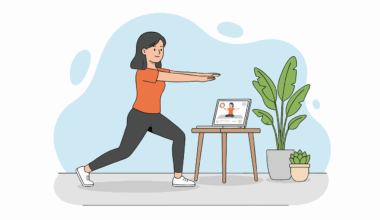
With the advancements in technology, there are numerous resources available to aid individuals in enhancing joint mobility. From fitness apps to online workout videos, these tools can provide support and guidance. Many apps are designed for adaptive fitness, offering tailored exercise routines that focus on specific goals. Guided video workouts can demonstrate proper techniques, making it easier to understand how to perform each exercise safely and effectively. Some of these resources include progress tracking features that help users stay motivated. Virtual reality (VR) exercise programs are becoming popular, providing immersive experiences that make workouts engaging and enjoyable. These can be particularly beneficial for individuals with mobility challenges, offering an interactive way to exercise. Additionally, wearable devices can monitor heart rate, calories burned, and other vital statistics, allowing users to adjust their routines as needed based on live data. Lastly, online communities can offer additional support and motivation for individuals embarking on their adaptive exercise journeys. Engaging with others through forums or social media platforms can provide inspiration and foster a sense of belonging. Therefore, leveraging technology can greatly enhance the effectiveness of joint mobility exercises.
Completing a comprehensive routine that focuses on enhancing joint mobility ultimately contributes to better overall physical and emotional health. Feelings of accomplishment and improvement can significantly influence an individual’s self-esteem and motivation levels. Remember that everyone progresses at their own pace, and it’s important not to compare yourself to others. The journey toward improved mobility might be filled with ups and downs, but consistency paired with the right mindset is key to success. Explore various adaptive exercises to determine what works best for you or seek guidance from certified professionals. Regular assessments can be helpful in identifying strengths and areas that need more focus, ensuring continuous improvement over time. It’s essential to embrace a holistic approach toward joint mobility, focusing not just on physical activity, but also on nutrition, hydration, and mental well-being. Nutrient-rich foods, for instance, can enhance recovery and support muscle growth. Connecting the mind and body through mindfulness techniques can also foster a positive approach to fitness. Magazines, blogs, and other educational resources can provide new ideas and support ongoing learning. Ultimately, enhancing joint mobility yields benefits that extend well beyond physical capabilities, positively affecting overall quality of life.