
Adaptive Dance Fitness for Stress Relief and Relaxation
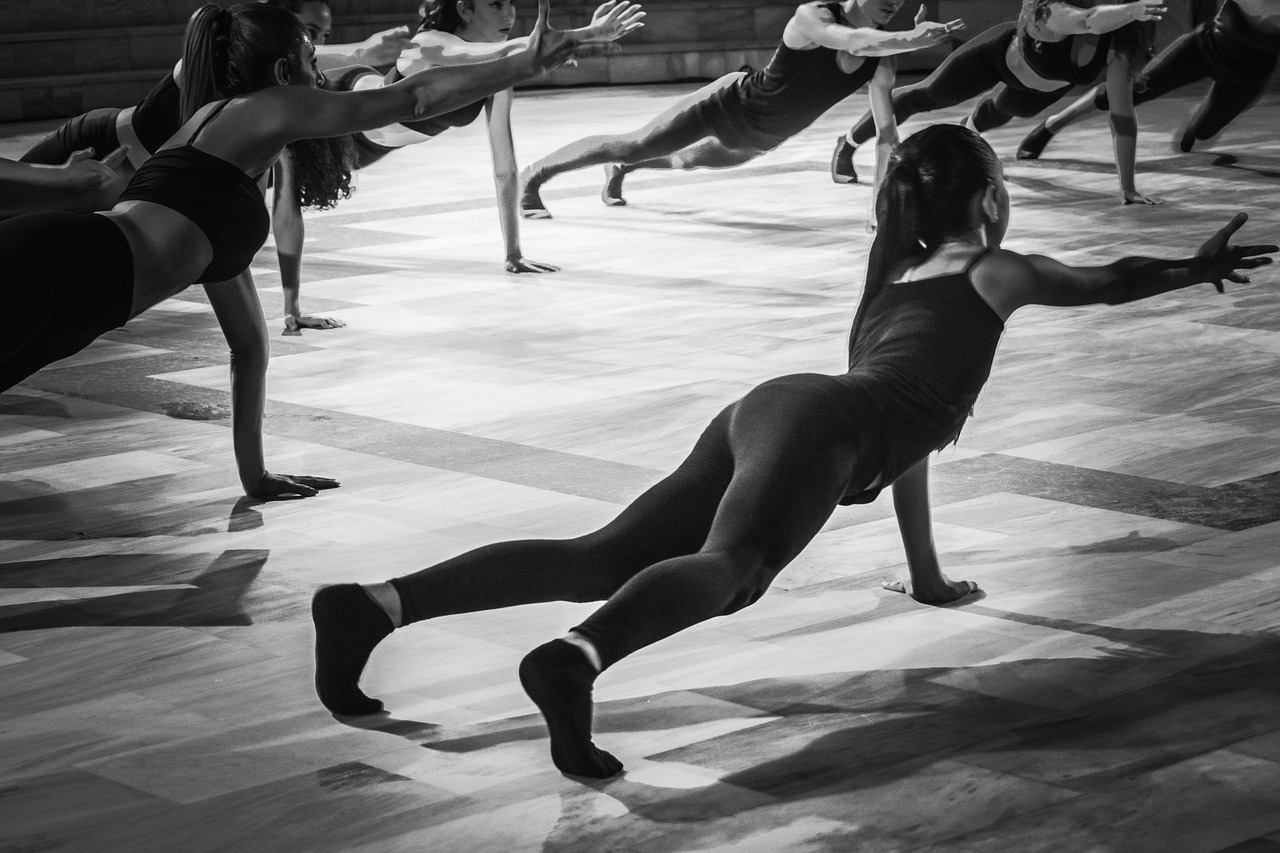
Dance fitness programs offer numerous advantages, especially regarding stress relief and relaxation. These programs encourage physical movement, which is vital in releasing endorphins, chemicals that can help improve mood and decrease stress. Adaptive dance fitness programs specifically cater to individuals with varying abilities, ensuring everyone can participate and enjoy the benefits. Such inclusivity boosts confidence and encourages social interaction, which is essential for promoting emotional well-being. Furthermore, many participants find the rhythmic movements and music therapeutic, which helps create a peaceful atmosphere conducive to relaxation. Unlike traditional forms of exercise, dance fitness allows individuals to express themselves freely. Participants often feel a sense of freedom, making it easier to let go of stress. Additionally, the communal aspect of dance classes fosters camaraderie, allowing individuals to connect with others facing similar challenges. This connection can greatly enhance a person’s sense of belonging and reduce feelings of isolation. Group classes also provide motivation as participants encourage each other, creating a positive and supportive environment. By focusing on adaptive techniques, these programs ensure that everyone can engage without feeling intimidated, thus promoting a healthy lifestyle through movement.
The Benefits of Dance for Mental Health
Engaging in adaptive dance fitness programs has significant benefits for mental health. Dance is not only a physical activity but can be a form of therapy that positively impacts individuals’ psychological well-being. Participants often report experiencing reduced anxiety levels and improved mood after classes, alleviating symptoms associated with various mental health disorders. Movement in a rhythmic manner while connected to music stimulates brain activity and promotes emotional release, providing a unique outlet for self-expression. This can be particularly beneficial for those dealing with trauma or depression. Forming connections with other participants fosters a supportive environment, essential for mental health. The shared experiences of laughter and creativity during classes can significantly enhance participants’ emotional resilience. Many individuals find that engaging in dance helps them focus on the present moment, distracting them from stressors and worries. Moreover, regular participation can build self-esteem and body confidence, combating negative self-image often found in anxiety and mental health concerns. The brain-body connection built through dance can reinforce positive thought patterns, creating lasting benefits beyond the fitness aspect. Thus, adaptive dance fitness serves as an innovative solution for improving mental health.
Adaptive dance fitness programs are designed to include individuals of all abilities, ensuring that everyone can participate meaningfully. By catering to various needs, these programs emphasize inclusiveness and adaptability, allowing a wider audience to experience the benefits of dance. Instructors often change techniques based on the abilities of participants, creating an environment where everyone feels safe and confident in expressing themselves. This approach fosters a stronger sense of community among participants and empowers them to achieve personal goals without fear of judgment. Offering modifications for movements ensures everyone can engage at their own pace, promoting a sense of accomplishment. As individuals progressively gain confidence, they might be inspired to challenge themselves further, leading to enhanced physical and mental health. Also, adaptive classes can be tailored to encourage creativity, enabling participants to invent movements that connect with their personal experiences. This aspect often leads to increased joy and satisfaction in the practice, causing emotional barriers to diminish. Participants often find joy in creating something unique, enhancing their connection to the music and the group while they dance, deliberately improving their overall experience. Therefore, adaptive dance fitness serves as a key catalyst for personal growth.
Building Community through Dance
A vital component of adaptive dance fitness programs is the sense of community they cultivate among participants. Engaging with others who share similar experiences fosters social bonds and emotional connections, essential for mental well-being. Participants often feel isolated or misunderstood due to their challenges, and dance classes provide a supportive environment where they can truly be themselves. Through shared laughter, movement, and music, these programs help create an atmosphere of acceptance, breaking down barriers associated with disabilities or emotional struggles. This camaraderie can lead to lasting friendships and networks of support, extending beyond the dance floor. The group dynamic encourages education and understanding among participants, promoting advocacy and awareness around various issues related to disabilities. Furthermore, this communal aspect leads to a sense of belonging, reducing feelings of loneliness and enhancing emotional stability. As individuals come together in shared experiences, they celebrate each other’s progress, creating a motivating environment. Building a community through adaptive dance not solely focuses on physical well-being but also fosters holistic personal growth, emotional expression, and support, making it an integral aspect of overall health.
Adaptive dance fitness programs are often anchored in structured routines that also incorporate improvisational elements. This combination allows participants to follow along while also inspiring creativity and personal expression. Routine structures ensure that everyone learns essential movements and skills, while improvisation provides the freedom to explore one’s unique style. This balance is crucial for maintaining engagement and excitement within the program, preventing routine monotony. Participants can explore various dance styles while adapting movements to suit their comfort levels, creating a personalized experience. Engaging with different dance genres encourages flexibility and enhances cognitive function as they learn new rhythms and techniques. Many individuals find joy in mixing various dance styles, fostering a sense of identity and exploration. Additionally, instructors may integrate storytelling and themes into their lessons, encouraging participants to connect emotionally with the movements. This connection enhances the overall experience, promoting stress relief through joyful interaction with music and movement. With an open space for creativity, individuals may discover newfound talents and strengths, leading to increased motivation to dance. Thus, adaptive dance fitness not only emphasizes physicality but also highlights the power of movement as a form of self-exploration.
Incorporating Mindfulness in Dance
Adaptive dance fitness programs can also serve as a platform for introducing mindfulness into participants’ routines. Mindfulness, the practice of staying present and fully engaged in the moment, aligns seamlessly with the principles of dance. Instructors can guide participants through breathing exercises before classes, helping individuals shift their focus towards the present. This practice can significantly reduce stress and anxiety levels while enhancing the overall dance experience. During classes, prompts such as “feel the music” or “connect with your breath” encourage participants to focus on their movements and emotions. This heightened awareness cultivates a deeper connection to the dance process, enhancing joy and fulfillment. Encouraging mindfulness also promotes emotional introspection, allowing individuals to explore their feelings while engaging in physical expression. Participants often find they can release pent-up emotions through movement, contributing to emotional wellness. Integrating mindfulness techniques helps make adaptive dance a holistic practice, addressing both physical and emotional aspects of health. As individuals learn to appreciate the process rather than just the outcome, they can experience a more profound sense of relaxation and satisfaction in their practice.
Incorporating adaptive dance fitness programs into daily routines offers individuals valuable opportunities for stress relief and relaxation. Engaging in these programs allows participants to focus on their well-being amid the hustle and bustle of daily life. Regular movement is vital for overall physical health, but the emotional benefits created through dance often empower individuals to cope with everyday challenges more effectively. The joyful energy of dance promotes a positive mindset, encouraging individuals to seek joy in their routines. By consistently participating in these classes, individuals often feel more energized, motivated, and inspired. Small milestones achieved in dance may translate into greater confidence outside the studio, making participation invaluable. Program participants frequently express enthusiasm for returning to classes, identifying them as personal highlights in their weekly schedules. This excitement reflects how adaptive dance fitness can be an effective coping mechanism for stress. As individuals gain greater awareness regarding their physical and emotional health, they often begin to prioritize self-care, enhancing their quality of life. Thus, the far-reaching effects of adaptive dance fitness surpass mere exercise, positively influencing all aspects of well-being and motivating lasting lifestyle changes.
Conclusion: Embracing Adaptive Dance Fitness for Overall Wellness
In summary, adaptive dance fitness programs offer effective avenues for stress relief and relaxation. Their capacity to foster community, enhance mental health, and promote mindfulness establishes them as essential components of holistic wellness approaches. The inclusivity inherent in these programs encourages all individuals to participate actively, fostering feelings of empowerment and achievement. By engaging in dance, participants not only benefit physically but also nurture their emotional well-being. With evidence indicating that movement can significantly reduce anxiety and elevate mood, dance programs should be explored and embraced by individuals seeking improved wellness. Additionally, by incorporating creativity and self-expression, these programs enrich participants’ quality of life, enabling lifelong skills beneficial beyond the dance floor. As importance grows for practices that reduce stress and enhance relaxation, adaptive dance fitness will likely remain a vital resource for individuals seeking balance and fulfillment. Groups and instructors alike can adapt to diverse needs, ensuring programs remain effective and engaging regardless of participants’ abilities. Ultimately, embracing adaptive dance fitness paths individuals towards healthier, happier lives filled with positivity, connection, and the joyous expression of movement.