
The Importance of Recovery Sleep for Fitness Enthusiasts with Circadian Issues
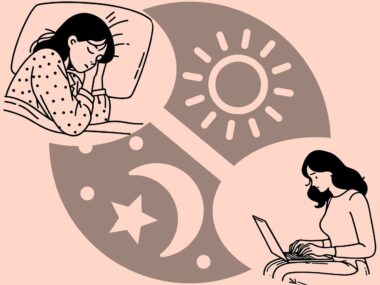
Fitness enthusiasts often push their limits, yet they frequently overlook a crucial aspect of their performance: recovery sleep. For those experiencing circadian rhythm disorders, the significance of restorative sleep cannot be overstated. These disorders disrupt the body’s internal clock, leading to sleep disturbances and challenges in achieving restorative sleep. Engaging in regular exercise without proper recovery sleep can hinder physical performance, increase injury risk, and exacerbate feelings of fatigue. Sufficient sleep plays a vital role in muscle recovery, hormonal balance, and overall mental health, which are essential for optimal fitness. Recognizing personal sleep needs becomes imperative, especially for those affected by circadian fluctuations. Adequate recovery sleep enables muscle repair and growth, ensuring fitness goals are met effectively. Incorporating strategies to improve sleep quality can foster better recovery, thus enhancing athletic performance. Solutions such as maintaining a consistent sleep schedule, practicing relaxation techniques, and creating a sleep-conducive environment can be valuable. By prioritizing recovery sleep, fitness enthusiasts can significantly improve their overall health and athletic capabilities, particularly if they manage the challenges posed by circadian rhythm disorders effectively.
Understanding Circadian Rhythm Disorders
Circadian rhythm disorders affect numerous individuals, particularly those who lead an active lifestyle. These disorders, including shift work disorder and delayed sleep phase disorder, can mess with the body’s natural rhythm, causing sleep issues. Fitness enthusiasts may find their energy levels are inconsistent, impacting workout performance and recovery. When the circadian rhythm is disrupted, the body struggles to regulate sleep-wake cycles, leading to insomnia or excessive daytime sleepiness. This can result in conditions such as irregular sleep patterns and difficulty concentrating during workouts. Additionally, the hormonal imbalances caused by these disorders complicate repair and recovery processes essential for muscle growth and strength. Physical activity requires ample recovery time, and insufficient sleep due to circadian issues can exacerbate fatigue levels. Consequently, individuals may be less motivated to train or unable to perform effectively during fitness sessions. Understanding how these disorders affect rest patterns can empower enthusiasts to implement more effective strategies for managing their sleep. This knowledge aids in adjusting exercise schedules, altering sleep environments, and adopting routines that promote healthier sleep cycles.
For fitness enthusiasts grappling with circadian rhythm disorders, a healthy lifestyle can positively affect recovery and improve sleep quality. Nutrition plays a pivotal role in this relationship; consuming a balanced diet rich in nutrients aids in hormone regulation, which is essential for sleep. Foods such as nuts and leafy greens promote melatonin production, which helps regulate sleep cycles. In contrast, processed foods and excessive caffeine may aggravate sleep difficulties and exacerbate circadian dysfunction. Hydration is also crucial, with proper fluid intake facilitating recovery and overall well-being. Additionally, exercising at the right time can improve sleep quality. Engaging in physical activity in the morning or early afternoon sets a positive tone for better sleep later the day. Some individuals might benefit from moderate late afternoon workouts, as this can help to improve sleep initiation. Practicing mindfulness through relaxation techniques, such as yoga or meditation, may also alleviate stress, which often compounds circadian rhythm disorders. Combining these elements can foster a more balanced lifestyle that reinforces healthy sleep patterns and supports recovery, benefiting overall fitness endeavors.
Creating an Optimal Sleep Environment
Another key aspect in managing circadian rhythm disorders lies in establishing an optimal sleep environment. Fitness enthusiasts should strive to create a space that encourages deep, restorative sleep. Darkness plays a crucial role; therefore, employing blackout curtains or sleeping masks can significantly enhance the quality of sleep by reducing light exposure. Additionally, maintaining a cool room temperature can promote more comfortable sleeping conditions, which contributes to quality sleep. White noise machines or soundproofing techniques can help mask disturbing noises that may interrupt sleep cycles. Moreover, eliminating electronic devices an hour before bedtime is essential, as the blue light emitted can interfere with melatonin production. Crafting a pre-sleep routine can signal the body that it’s time to wind down, enabling better rest. Activities such as reading or gentle stretching can create a relaxing transition into sleep. Enriching this environment with calming scents, such as lavender, can enhance overall sleep quality. By employing these strategies effectively, fitness enthusiasts can mitigate circadian issues and foster a more restorative sleep routine, empowering them to maximize their fitness potential.
Combining sleep management strategies with physical recovery techniques is essential for fitness enthusiasts facing circadian rhythm disorders. Implementing practices such as active recovery, stretching, and proper post-workout nutrition is fundamental in facilitating optimal muscle recovery. Active recovery activities, like walking or gentle swimming, can stimulate blood circulation, promoting nutrient delivery to fatigued muscles. Incorporating protein-rich snacks after exercise assists in muscle repair while reducing soreness. Furthermore, follow-up workouts should be adjusted according to how well recovery is progressing. Listening to one’s body is vital; understanding when to push and when to rest is essential to avoid burnout or injuries. Proper recovery also incorporates stress management practices that can ultimately improve sleep quality. Techniques such as guided imagery, meditative breathing exercises, or journaling may alleviate anxious thoughts that could inhibit sleep onset. Seeking professional guidance from trainers or health professionals can provide significant insight into balancing workout routines and recovery practices, particularly for those with specific sleep issues. The combination of recovery strategies and effective sleep management will yield better results for fitness enthusiasts and ultimately lead to overall improved health.
Monitoring Sleep and Fitness Progress
Monitoring sleep and fitness progress can greatly benefit fitness enthusiasts experiencing circadian rhythm disorders. Various tools and apps are available to track sleep patterns and overall recovery status. By utilizing wearable devices or smartphone applications, individuals can gather insights into sleep timing, quality, and disturbances, which is essential for understanding personal trends in sleep health. This data empowers athletes to adjust their training schedules in alignment with their sleep results. For instance, if an individual notes that their sleep is disrupted after high-intensity workouts, they might consider adjusting the timing or intensity of their sessions. Journaling sleep experiences alongside fitness routines creates a comprehensive overview of one’s recovery journey; documenting feelings of fatigue, energy levels, and workout performance can point to potential correlations. Furthermore, sharing logs with health professionals or fitness coaches defines a clear communication path, ensuring tailored recovery plans. As athletes become more attuned to their unique sleep requirements, they can customize their fitness regimens accordingly, fostering a synergistic relationship between rest, performance, and overall health.
Ultimately, the blend of proper recovery sleep and effective fitness strategies becomes immensely important for enthusiasts dealing with circadian rhythm disorders. Prioritizing sleep should never be an afterthought when pursuing fitness goals as it is fundamentally linked to recovery, performance, and overall well-being. By embracing healthy sleep habits and adapting fitness routines according to one’s individual needs, fitness enthusiasts can tap into their full potential. Additionally, creating a night-time routine encourages better sleep hygiene, leading to more consistent sleep patterns. Getting sufficient sleep aligns with the body’s natural rhythms and promotes overall health, ensuring enthusiasm and energy for daily activities. Recognizing that sleep is not merely a passive activity but an essential part of the fitness journey becomes vital. Cultivating a supportive lifestyle that encompasses both physical activity and proper recovery can reinforce these principles effectively. Incorporating sleep-focused habits into daily life ultimately enhances longevity and enjoyment in fitness pursuits, enabling enthusiasts to lead active, fulfilling lives while battling the challenges of circadian rhythm disorders. Embracing this holistic approach will ensure a brighter and healthier future for fitness enthusiasts.