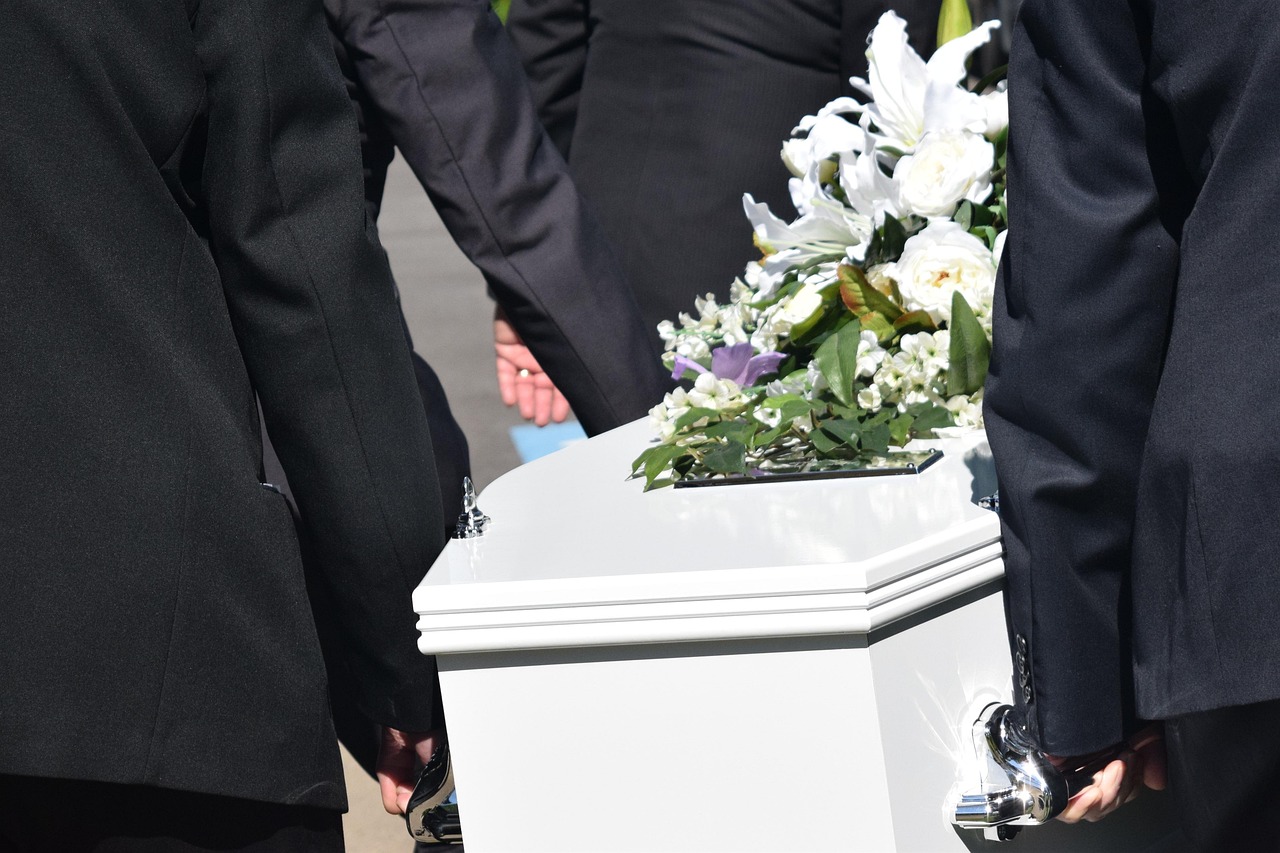

The Power of Rituals: Honoring Loved Ones to Promote Healing
Grief and loss are universal experiences that profoundly affect mental health. One of the most meaningful ways to process these emotions is through rituals. These traditions provide structure during chaotic emotional states and offer a way to honor the deceased. By participating in rituals, individuals can find solace and connection with their loved ones. Rituals come in many forms, whether it’s a formal religious ceremony or a simple personal act of remembrance. Each provides a unique opportunity to reflect, grieve, and celebrate life. These acts create a significant impact on well-being as they help give closure and facilitate healing. People often report feeling less isolated when engaging in rituals, as they connect with family and friends who share their loss. As such, they should be seen as powerful tools in the grieving process. Whether it is lighting a candle, visiting a grave, or creating a memory box, each ritual holds emotional significance. Consider discussing your intentions with supportive friends and family to enhance the experience. Remember, expressing grief through rituals is not a sign of weakness but a genuine emotional commitment to healing.
Rituals serve to honor the memory of a loved one, thereby encouraging emotional expression. One effective way to honor memories is through storytelling. Sharing tales about the deceased can revive fond memories and forge a connection between past and present. Additionally, gathering family and friends to discuss shared experiences can foster community support. This creates an environment where sadness is acknowledged, allowing individuals to grieve openly. Alternative forms include creating art or music dedicated to the deceased. This can be cathartic and provide a means for personal expression. It transforms grief into a proactive endeavor, potentially leading to a sense of accomplishment during a deeply vulnerable time. Rituals can also evolve with time—what once was simple remembrance can gradually transform into annual events celebrating a loved one’s life. For instance, a family might gather every year on a loved one’s birthday to enjoy their favorite meal, blending joy into the process of remembrance. These rituals not only honor those lost but remind us of the impact they had on our lives. This ability to create lasting memories contributes positively to mental health during the healing journey.
Creating Personal Rituals
Personal rituals can be tailored to resonate deeply with individual emotions. One common method is to incorporate nature into the grieving process. For instance, planting a tree or a garden dedicated to a lost loved one provides a living tribute and symbol of ongoing life. This act allows individuals to channel their grief into nurturing something beautiful. Over time, the plants can bloom and thrive, reminding them of memories cherished. Another idea involves writing letters to the deceased, a powerful way to articulate thoughts, feelings, and unresolved issues. These letters can be kept in a special place or even burned as an act of release. Furthermore, creating a memory jar filled with notes about happy moments shared can be a comforting exercise. Every note serves as a reminder of love, providing solace during times of deep sorrow. Sharing these rituals with trusted friends can intensify the emotional support surrounding grief. Additionally, using photographs or keepsakes can enhance personal connections to the deceased and help maintain a bond through physical reminders. Ultimately, cultivating personal rituals nurtures healing and allows grief to be expressed constructively.
Another powerful aspect of rituals in processing grief is the role of community. Engaging in communal rituals can strengthen connections among participants. Community rituals, such as candlelight vigils or group memorials, offer a shared space for individuals dealing with similar losses. This collective grieving can alleviate feelings of isolation and emphasize shared experiences dealing with grief. As people gather to remember and support one another, they collectively process emotions, which can be deeply healing. Additionally, community gatherings can offer resources—such as counseling or support groups—to help individuals navigate their grieving process. Sharing stories, music, poems, or moments of silence can foster rich connections, allowing participants to explore their emotions openly. Furthermore, communities can create memorial events around important dates, serving as a vital part of the healing journey for many. These rituals become a reminder that their loved ones continue to be remembered and honored within the community. Thus, connecting with communities through rituals can foster individual healing while solidifying the importance of shared memory and collective support during challenging times.
Rituals and Mental Health
Research indicates that rituals can have significant positive effects on mental health, especially during periods of grief. Engaging in structured rituals can lead to a sense of control over chaotic feelings and provide comfort amid emotional turmoil. This becomes crucial during the grieving process, where feelings can be overwhelming and confusing. Rituals give individuals a safe space to manifest their feelings, making sense of their love and loss. Studies show that when people participate in such acts, they often report lower levels of stress and an improved ability to cope. Furthermore, these practices can strengthen emotional well-being by creating lasting bonds and embedding cherished memories. Rituals offer a method to honor the significance of the deceased while allowing individuals to reflect on their own lives. Participating in these acts encourages active involvement in the mourning process, moving beyond mere acceptance of loss. Thus, when grief is approached through intentional acts, individuals may unlock healthier coping mechanisms, ultimately fostering resilience and enhancing their overall mental health. This intersection of grief, rituals, and well-being emphasizes their interconnectedness.
Incorporating rituals into daily life can further aid in emotional recovery from grief. These rituals do not always need to be formal; they can be simple acts woven into everyday living. For example, starting each morning with a moment of silence or reflection in memory of a loved one sets a positive and poignant tone for the day. Mindfulness practices, such as meditation or journaling, focusing on the memories of the departed can also assist in emotional processing. These rituals can help individuals integrate their loss into their lives meaningfully. Utilizing creativity, such as creating artwork or music, can also become part of daily routines—transforming grief into a source of inspiration or expression. Engaging in such activities provides therapeutic benefits by allowing feelings to be expressed calmly and constructively. Family traditions can evolve into daily rituals, ensuring that the legacy of the loved one continues to live on. Over time, these small acts may bring comfort, reinforcing connections and helping individuals process their grief gradually. Ultimately, integrating rituals into daily life allows for continuous remembrance while nurturing personal healing.
Conclusion: Embracing Rituals for Healing
Embracing rituals in the grieving process creates avenues for healing and remembrance to foster mental wellness. The significance lies in honoring the memory of loved ones while finding healthy ways to cope with loss. Individual and communal rituals serve to not only celebrate lives but also allow space for emotions to be expressed. In recognizing the powerful impact of these rituals, individuals can cultivate supportive environments conducive to healing. Whether simple or intricate, rituals facilitate connections with the deceased that can phase out isolation. Exploring various rituals can help individuals find what resonates personally with their grieving process. It is vital to remember that grieving is not linear; everyone experiences it differently. Therefore, incorporating these meaningful acts can assist individuals in navigating through their journey of grief. Over time, rituals can become a cherished part of one’s life, accompanying proactive healing. Sharing these experiences with others can reinforce the idea that memory never fades, and can often grow and flourish anew. Ultimately, the power of rituals supports and enriches one’s ability to heal and live anew while honoring those cherished memories.
Through the cultivation of these practices, individuals regain a sense of agency in their emotional landscape, contributing to a broader understanding of healing. In the realm of mental health and well-being, it’s important to recognize the pivotal role rituals can play in navigating grief. They are not only about remembering the past but also about enriching the future. Thus, they provide essential continuity in the journeys people undertake following the loss of loved ones. Embracing this journey means understanding that each ritual, no matter how small, is imbued with love and significance. Therefore, it can be a source of comfort, providing strength to those still coping with loss. Let us honor those we have lost by allowing rituals to enrich the way we remember them. By investing time in these meaningful practices, individuals nurture their emotional health and promote healing within their lives. Grief can be a complex, multi-layered experience, and recognizing the healing power of rituals allows for a unique understanding of loss. Encouraging communities and families to share these practices broadens the scope of emotional support, creates connection, and illuminates the path toward healing for everyone involved.