
Do Stretching Exercises Alone Improve Posture?
Many people mistakenly believe that stretching exercises are the sole factor in improving posture. They assume that simply performing a series of stretches daily will automatically correct slouching and other alignment issues. While stretching is beneficial, it is important to understand that posture is influenced by several factors. These include muscle strength, flexibility, ergonomic awareness, and even daily habits. Without addressing these areas comprehensively, focusing solely on stretching can lead to limited results. Therefore, a multifaceted approach is recommended to promote better posture. Developing strength in core muscles is essential, as strong muscles help support the spine. Moreover, fostering awareness of proper ergonomics during daily activities also plays a crucial role in maintaining good posture. Ignoring these aspects while only relying on stretching could result in disappointment. In essence, to see lasting improvements in posture, it is crucial to embrace a well-rounded exercise routine that incorporates strength training along with stretching.
In addition to stretching, strengthening exercises play a vital role in enhancing posture. Strong muscles stabilize the spine, counteract gravity, and reduce the strain on neck and back muscles. The muscles surrounding the core, which include the abdominal and back muscles, provide essential support for proper alignment. Favoring stretching alone neglects essential muscle strength development. For optimal posture improvement, consider integrating some resistance training to your exercise regimen. Body-weight exercises such as planks, bridges, and lunges are excellent choices that can significantly strengthen your muscles. Additionally, these exercises help maintain balance and stability within the body. Comprehensive posture improvement involves engaging multiple muscle groups to promote overall body strength. Consequently, focusing on strength training helps in executing functional movements with better alignment, reduced risk of injury, and improved confidence. Prioritizing both stretching and strength training together is far more effective than relying on one method alone. This balanced approach ultimately ensures that muscle tightness is equally countered by enhanced strength.
Furthermore, adopting a conscious approach to ergonomics can greatly impact posture. Understanding the interplay between body mechanics and the natural alignment of the spine informs lifestyle choices. Poor ergonomics at workstations, in particular, can lead to significant posture-related issues, such as neck strain and back pain. This underscores the importance of regularly assessing and adjusting your workstation setup. Elements like chair height, desk arrangement, or even monitor position can influence posture. Maintaining proper ergonomic setups allows for comfortable positioning while also promoting better muscle support. Additionally, incorporating frequent breaks to stand, stretch, or move can rejuvenate stagnant muscles during extended sitting. With a clear focus on ergonomics, individuals can combat the causes of poor posture rather than solely relying on exercises alone. Making simple adjustments can lead to substantial benefits over time. Ultimately, integrating ergonomic practices into daily routines contributes to a healthier alignment and promotes overall wellness.
The Role of Lifestyle in Posture
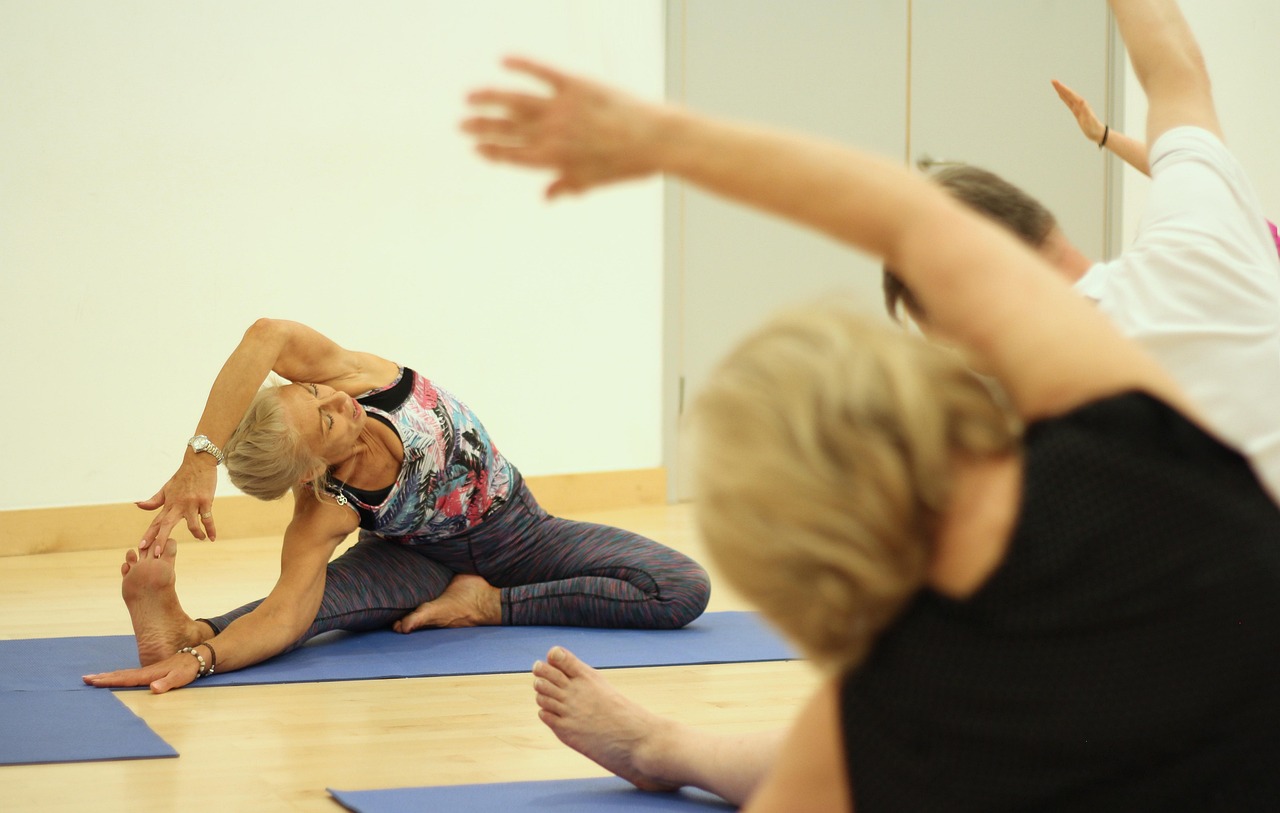
Moreover, lifestyle habits greatly influence posture, adding another layer of complexity to improvement efforts. Daily actions like sitting for long hours or hunching over mobile devices can encourage poor alignment over time. These habits bring unnecessary tension to the muscles and joints, potentially worsening posture. Addressing lifestyle influences requires mindfulness of how we engage our bodies throughout the day. Implementing strategies to break poor habits, such as setting reminders to check posture, can significantly help. Additionally, incorporating activities like yoga or Pilates promotes body awareness and encourages habitual corrective measures for common alignment issues. While exercise is an important factor, consistent attention to lifestyle choices is equally critical. Challenging ourselves to remain aware throughout the day leads to proactive management of posture. Developing a more active lifestyle not only enhances posture but also boosts overall physical health. Recognizing and addressing lifestyle-based causes of poor posture is essential for making effective changes that lead to lasting improvement.
Furthermore, muscle imbalances can significantly impact posture. Some muscle groups may become stronger while others may weaken, creating an imbalance that can lead to misalignment. For instance, tight chest muscles can pull the shoulders forward, causing a hunched appearance. In contrast, weak upper back muscles often fail to counteract this pull, exacerbating postural issues. This suggests that a balanced approach to strengthening various muscle groups is paramount. Individuals should pay close attention to assessing which muscles require strengthening or stretching. Establishing a targeted strength-training routine can help correct these imbalances and improve overall posture. Exercises focusing on the back, shoulders, and core can promote better alignment and posture adaptations. This highlights the importance of recognizing each individual’s unique muscular needs when it comes to adequate posture correction. To address these imbalances effectively, consider consulting with a healthcare professional or a personal trainer for tailored recommendations. Understanding muscle dynamics is crucial in creating an effective enhancement plan.
In summary, the belief that stretching exercises alone can resolve all posture concerns is misleading. Successful posture improvement requires a multifactorial approach that includes stretching, strength training, ergonomic adjustments, and lifestyle management. It is only through incorporating these elements into a balanced routine that individuals will see tangible benefits in their posture and overall health. Stretching is undoubtedly helpful and should be included, but it should not be the sole focus. The synergistic effects of combining different exercise types, along with awareness of ergonomic practices and healthy lifestyle habits, will yield the most effective results for everyone. Additionally, understanding the role of muscle imbalances and prioritizing balanced strength training can further enhance outcomes. Both mental and physical awareness play important roles in forming better habits, reducing tension, and preventing injury. By adopting a holistic perspective, individuals can achieve and maintain better posture over time. Remember, no single factor is a cure-all, and embracing a comprehensive approach leads to successful posture improvement.
Conclusion
Ultimately, recognizing the limitations of a stretching-only mindset is essential for continuous improvement in posture. Those pursuing better posture should engage in a variety of exercises while remaining aware of ergonomic practices and adjusting lifestyle habits. Consider developing a personalized routine that reflects specific needs and preferences. Maintaining desire for a healthier posture is both achievable and sustainable when multiple avenues are explored. Every person’s body is different, and adapting strategies accordingly serves key advantages. There are resources available, including programs or classes, to guide individuals, ensuring the right techniques are applied in the journey toward better posture. Appreciate that progress takes time and be patient with your journey. Gradual changes create long-lasting habits that yield substantial results over time. Furthermore, understanding the intricate relationship between strengthening, stretching, ergonomics, and lifestyle will empower individuals. This strong foundation will support continuous engagement in well-being practices, ultimately cultivating a healthier, more aligned posture. With persistent effort and a multi-dimensional approach, anyone can improve their posture for a more confident, healthy life.