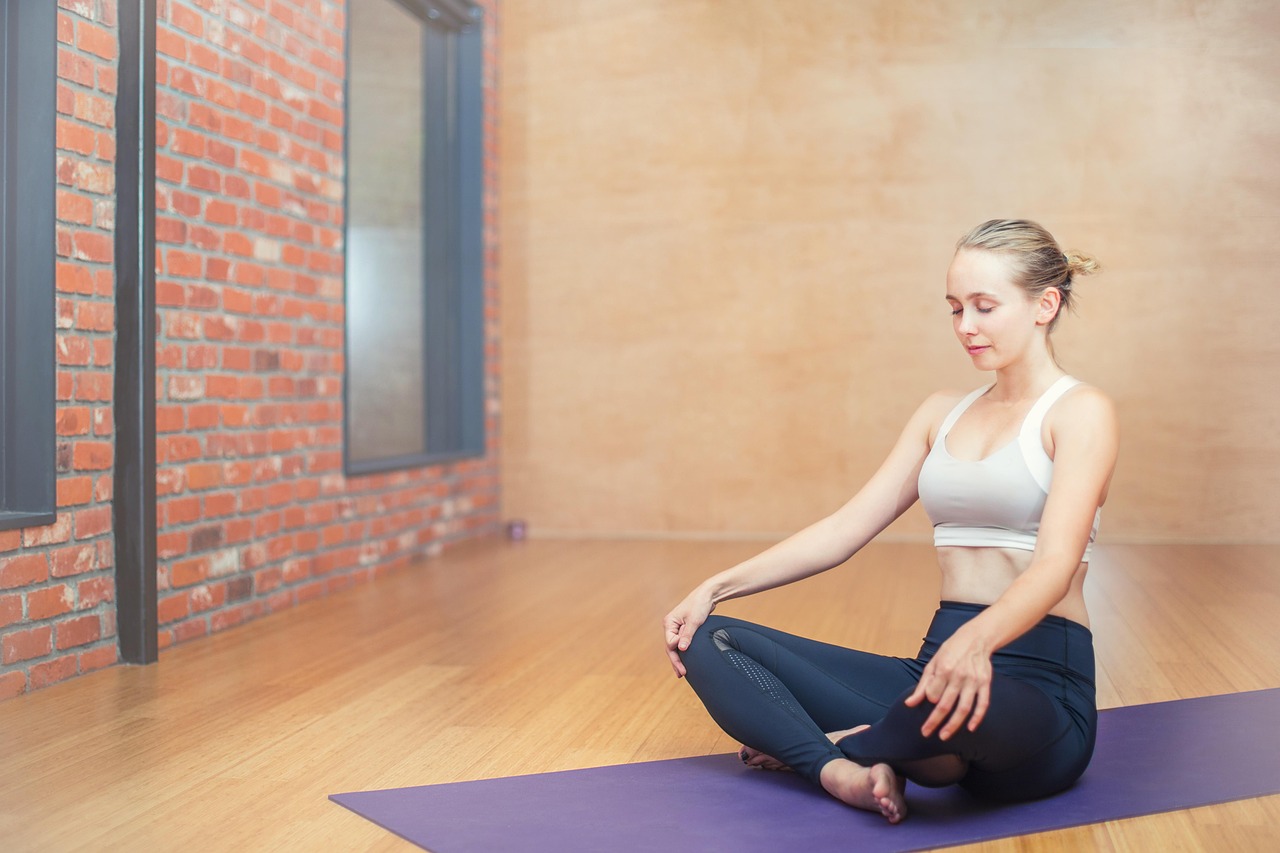

Yoga for Immune Support in Older Adults
As we age, our immune system naturally declines, making us more susceptible to illnesses. Incorporating yoga into our daily routine can significantly enhance our immune function. Yoga not only helps improve flexibility, strength, and balance but also encourages relaxation and stress reduction. Various yoga postures specifically stimulate the immune system, promoting better overall health. Some beneficial poses include Child’s Pose, Cat-Cow Stretch, and Bridge Pose, which can stimulate lymphatic flow and enhance circulation. Regular practice can aid in better oxygenation of organs, thus supporting their function. Emphasizing deep breathing techniques, meditation, and mindfulness helps create a holistic approach for immune support. Yoga fosters a sense of connection, not only to the body but also to the mind and spirit. Moreover, practicing yoga can directly affect the psychosomatic aspect of our health, decreasing anxiety, which is vital for maintaining a healthy immune response. Therefore, older adults looking to strengthen their immunity may find incorporating yoga essential for a happier and healthier life.
Incorporating yoga into daily routines for older adults offers immense benefits beyond physical health. Mental wellness plays a critical role in supporting immunity and overall well-being. Through mindfulness and meditation, yoga helps improve emotional resilience, which is vital as one encounters various life challenges. Stress can have detrimental effects on the immune system, making relaxation techniques essential. Older adults practicing yoga often report reduced anxiety levels and improved mood. Moreover, meditation aids in cognitive function by enhancing focus and clarity of thought. Setting aside time for daily practice allows individuals to cultivate inner peace, generating positive emotions and enhancing immunity. The practice of self-awareness through yoga encourages healthy habits, including a nutritious diet and regular social interactions. Attending group classes can reduce feelings of isolation that some seniors face, promoting social well-being. Therefore, yoga not only serves as a physical practice but as a holistic approach to maintaining emotional balance and stability. The intertwining of physical and mental health creates a powerful synergy that supports a stronger immune system and fosters a profound sense of vitality in older adults.
Specific Yoga Poses for Immune Support
Many specific yoga poses offer excellent support for the immune system, particularly beneficial for older adults. Poses such as the Warrior series, Tree Pose, and Forward folds help strengthen the body while promoting balance and coordination. The combined effect of these poses can significantly improve physical well-being. Warrior poses build confidence and stability, while Tree Pose enhances focus and mental clarity. Furthermore, Forward bends, such as Paschimottanasana (Seated Forward Bend), aid in detoxifying the body, enhancing digestive health, and ultimately supporting immune function. Poses that open the chest, such as Cobra or Fish Pose, facilitate deeper breathing, which increases oxygen flow to organs. This oxygenation boosts the immune system’s ability to fight off infections. Practicing these poses regularly helps establish physical strength and flexibility while allowing for increased mental clarity. Incorporating a variety of postures into a routine can alleviate stiffness, enabling smoother movements and reducing the risk of injury. Thus, emphasizing these poses ensures older adults can maintain their functional independence while supporting their overall health.
Breath control, or pranayama, plays a significant role in strengthening the immune system and is a core element of yoga practice. Deep, controlled breathing techniques enhance lung capacity and promote relaxation. Various breathing exercises, such as Alternate Nostril Breathing and Diaphragmatic Breathing, can support stress reduction and overall emotional well-being. Practicing these techniques regularly helps lower cortisol levels, a hormone that, when elevated, can negatively impact immune function. Connecting breath with movement during yoga sessions can foster mindfulness and enhance concentration. Focusing on one’s breath can help train the mind to be present, promoting a sense of calm and relaxation. By developing a consistent pranayama practice, older adults can improve their respiratory health and emotional resilience. This conscious breathing can ease tension and anxiety, creating an environment conducive for healing. Furthermore, effective breath control can enhance the overall effectiveness of yoga postures. As a result, incorporating breathwork into a yoga routine becomes essential for immune support, enabling older adults to cultivate holistic health in both body and mind.
Establishing a Consistent Practice
Consistency is key when it comes to yoga for immune support in older adults. Establishing a regular practice empowers individuals to reap the full benefits of yoga. Setting aside dedicated time each day, even for a brief session, can create lasting positive changes in health. Older adults may start with short, manageable practices, gradually increasing duration and complexity over time. Joining community classes can provide motivation and camaraderie, fostering connections with like-minded individuals. Engaging with a supportive group allows for shared experiences, tips, and encouragement. Alternatively, practicing at home with guided videos or apps offers flexibility and comfort. It is essential to listen to one’s body and make necessary modifications to accommodate unique needs and limitations. Finding a routine that works well and suits individual preferences can lead to greater adherence. Notably, setting realistic goals and celebrating progress creates a positive approach to long-term practice. As a result, incorporating yoga into daily routines enhances the overall quality of life, stability, and health of older adults.
Nutrition plays a critical role when considering immune support through yoga practices. Combining a yoga routine with a nutrient-rich diet can amplify the benefits experienced. Consuming a well-balanced diet, rich in antioxidants, vitamins, and minerals helps bolster immune function. Foods such as leafy greens, colorful fruits, and healthy fats provide essential nutrients that support overall health. Staying well-hydrated is equally vital; water significantly contributes to optimal bodily function. Additionally, mindful eating practices, promoted through yoga, encourage healthier food choices while fostering awareness. It is important to avoid excessive processed foods or sugar-heavy options that could negatively impact immune system performance. Supplemental vitamins like Vitamin C, D, and zinc may also assist in enhancing resistance to infections. Thus, exploring various nutrient-dense foods while practicing yoga can lead to improved health outcomes. For older adults seeking better immunity, combining yoga with nutrition represents an effective strategy for achieving overall wellness. Making informed dietary choices synergizes well with a regular yoga practice, ultimately resulting in a proactive approach to health in later years.
The Role of Mindfulness
The role of mindfulness in yoga can not be overstated, especially for older adults focusing on immune support. Awareness of thoughts, feelings, and bodily sensations enhances one’s emotional well-being, making it easier to navigate stressors. Mindfulness meditation encourages a deeper connection with oneself and cultivates acceptance of the present moment. Practicing being mindful during yoga allows older adults to foster self-compassion, reducing anxiety and connecting with their essence. This connection promotes resilience, further supporting immune health. Engaging with thoughts without judgment helps release negativity and fosters a more positive outlook on life. Many studies indicate that practicing mindfulness can translate to physical health improvements, enhancing immunity function as a result. Seniors experiencing chronic stress can greatly benefit from mindfulness techniques revealed during yoga sessions. As stress decreases, the body’s ability to heal and regenerate is enhanced, leading to an overall boost in immune strength. Clearly, the symbiotic relationship between mindfulness and yoga creates a powerful avenue for preserving optimal health in older adults, encouraging a holistic approach to well-being.