
Myofascial Release for Desk Workers: Maintaining Mobility in Sedentary Jobs
Desk workers often experience stiffness and discomfort due to prolonged sitting. Myofascial release techniques can greatly improve flexibility and mobility, helping mitigate the adverse effects of sedentary work. This technique involves applying gentle, sustained pressure into the connective tissue, or fascia, which surrounds muscles and organs. By breaking down restrictions in the fascia, individuals can enhance their range of motion and alleviate pain. This article will explore the key benefits of myofascial release and provide strategies tailored for desk workers to implement these techniques effectively. By prioritizing soft tissue health, employees can improve their overall workplace ergonomics and daily comfort. Integrating these practices into a daily routine can be simple yet transformative. Desk workers are encouraged to take short breaks every hour to stand, stretch, and perform myofascial release. With consistent application, they may experience less tension and improved body mechanics, resulting in heightened productivity during work hours. The following sections will provide practical myofascial release techniques specifically designed for those who spend long hours behind a desk, ensuring sustained mobility and well-being.
Understanding Myofascial Release Techniques
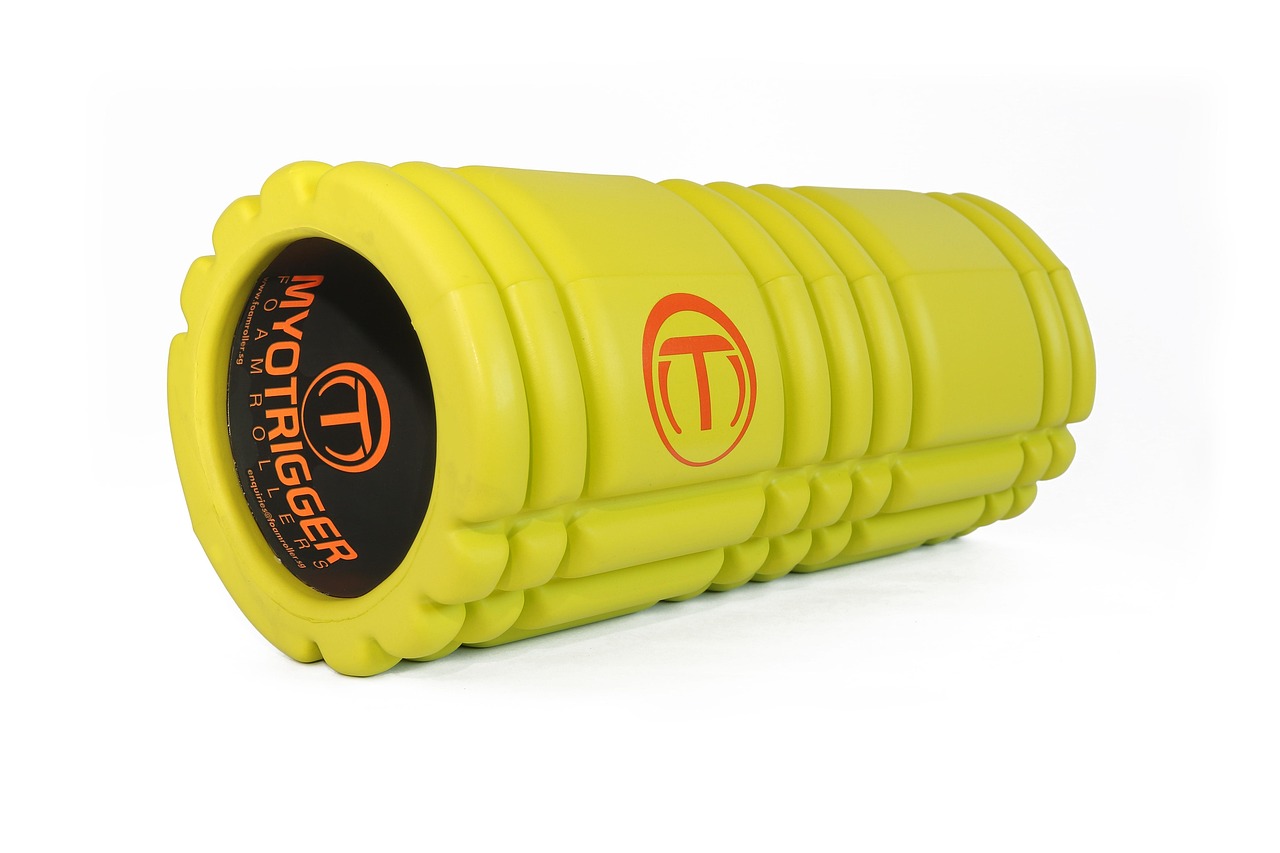
Myofascial release focuses on relieving tension in fascia, the connective tissue encompassing muscles. Understanding this is crucial for desk workers who develop muscle tightness over time. Techniques include self-myofascial release using tools like foam rollers or massage balls. These methods allow individuals to target specific areas where they feel tightness. The goal is to release the restrictions in the fascia that may cause discomfort or range of motion limitations. Self-massage techniques can be effective when done regularly, decreasing soreness and improving circulation in muscles. This release can also heighten awareness of body mechanics. The process typically involves a gentle and sustained pressure application to areas of discomfort. Supporting relaxation and breathing during these techniques can further enhance effectiveness. By investing time in these practices, desk workers can experience a rejuvenated sense of flexibility, enabling better performance both at their workplace and in daily activities. Moreover, incorporating short sessions of myofascial release throughout the workday can break the monotony of sitting, invigorate the body, and promote a healthy lifestyle. This proactive approach empowers workers by equipping them with the tools to counter the challenges posed by sedentary jobs.
Common areas for myofascial release include the neck, shoulders, and lower back, which are highly affected by sedentary workspaces. While seated, individuals are prone to slumping, causing muscle imbalances and tightness in these key areas. By focusing on these regions, desk workers can alleviate tension and improve posture, leading to enhanced comfort and productivity. Self-discovery of these tight spots is crucial, guiding workers to become more attuned to their bodies. Once they identify areas of discomfort, using tools effectively will support their relief process. Combining myofascial release with stretching exercises can further enhance results, allowing for greater flexibility. This combination helps to maintain mobility and enhance overall body awareness. Creating a conducive workspace is equally important; using ergonomic chairs, desks, and accessories can complement the benefits of myofascial release. Investing in proper tools can contribute to sustained mobility, ensuring that desk workers remain functional throughout their workday. Regular mindfulness and body awareness practices may also help desk workers recognize tension before it escalates into pain. All these strategies combined significantly promote overall health, increasing job satisfaction and wellness while minimizing discomfort associated with prolonged sitting.
Practical Techniques for Desk Workers
To incorporate myofascial release effectively, consider methods tailored for those with desk-bound jobs. One of the simplest yet effective techniques is using a tennis ball for self-massage. By placing the ball under areas of tension like the upper back, workers can roll gently to trigger muscle release. Another useful tool is a foam roller, which can be used primarily on the thighs and calves. Rolling over these areas for a few minutes consistently can aid in reducing muscle stiffness. Additionally, the use of a massage gun has gained popularity and can help target specific points quickly and efficiently. Implementing these tools doesn’t require extensive time; even five to ten minutes during breaks can yield significant results. Stretching after myofascial release enhances muscle recovery and restores flexibility. Educators and HR departments should emphasize these techniques, encouraging regular breaks and movements during work hours. Cultivating a culture that prioritizes health and mobility benefits employees, increases morale, and substantially boosts productivity. Consistency in reducing tension and promoting flexibility will lead to less absences and better overall well-being in the workplace.
Finding ways to integrate myofascial release techniques into everyday routines fosters a long-term commitment to health. Desk workers can start with a simple schedule to take stretch breaks at regular intervals. Setting reminders can always encourage employees to take a moment to focus on their physical well-being. Regular movements, like shoulder rolls, neck stretches, and gentle torso twists, can be done while seated. Each of these encourages blood flow and prevents stagnation that usually occurs during long hours of sitting. Additionally, investing in ergonomic furniture encourages better postural alignment, further reducing physical strain. Workers should remember that movement encourages not just physical health, but mental wellness too. Shifting from sedentary positions enhances focus and creative thought processes. Continuous encouragement and support for integrating these techniques can foster an engaging culture of health at any organization. Establishing community initiatives, providing workshops on myofascial techniques, and creating friendly reminders about movement can improve acceptance. By instilling these practices into company culture, organizations can promote healthier lifestyles while also enhancing performance and productivity across teams.
Long-Term Benefits of Regular Myofascial Release
Embracing myofascial release techniques as a regular practice offers remarkable long-term benefits for desk workers. Enhanced flexibility and reduced muscle tension can lead to improved overall health and well-being, making everyday tasks easier and more enjoyable. Beyond immediate relief from discomfort and stiffness, consistent use of these techniques strengthens awareness of body mechanics and postural corrections. This growing awareness often translates into better alignment and decreased fatigue during work hours. Regular myofascial release can also reduce the risk of chronic conditions associated with prolonged sitting, such as carpal tunnel syndrome or back pain. As physical health improves, employees are likely to experience increased energy levels, equipping them to handle daily work challenges effectively. Furthermore, fostering strong relationships within workplaces through supportive practices can enhance teamwork and boost morale among employees. As such, it encourages a culture of empathy where individuals care about each other’s well-being. Investing time in myofascial release not only benefits the physical aspects of desk work life but also enhances emotional wellness, fostering more positive workplaces and relationships within teams.
In conclusion, desk workers can significantly enhance their mobility and overall health by integrating myofascial release techniques into their routines. Understanding the importance of addressing physical tension and promoting flexibility sets the foundation for sustained well-being in sedentary jobs. Desk-bound employees have the power to combat discomfort through simple yet effective practices like self-myofascial release using various tools. The importance of regular breaks, stretching, and mindful awareness cannot be understated in maintaining mobility. Employers should prioritize supportive measures, encouraging employees to invest in their health by utilizing myofascial release techniques regularly. Creating an environment that values health can lead to substantial improvements in employee morale and productivity. Ultimately, these practices not only enhance workers’ physical wellness but also foster connections that create a supportive workplace culture. As employees actively participate in self-care practices, they contribute to a healthier workforce as a whole. Through continued education and encouragement, companies can thrive, creating a harmonious balance between work and well-being. Prioritizing myofascial release techniques leads desk workers toward happier, healthier lives, inspiring others to follow and advocate for their wellness.
Myofascial Release for Desk Workers: Maintaining Mobility in Sedentary Jobs
Desk workers often experience stiffness and discomfort due to prolonged sitting. Myofascial release techniques can greatly improve flexibility and mobility, helping mitigate the adverse effects of sedentary work. This technique involves applying gentle, sustained pressure into the connective tissue, or fascia, which surrounds muscles and organs. By breaking down restrictions in the fascia, individuals can enhance their range of motion and alleviate pain. This article will explore the key benefits of myofascial release and provide strategies tailored for desk workers to implement these techniques effectively. By prioritizing soft tissue health, employees can improve their overall workplace ergonomics and daily comfort. Integrating these practices into a daily routine can be simple yet transformative. Desk workers are encouraged to take short breaks every hour to stand, stretch, and perform myofascial release. With consistent application, they may experience less tension and improved body mechanics, resulting in heightened productivity during work hours. The following sections will provide practical myofascial release techniques specifically designed for those who spend long hours behind a desk, ensuring sustained mobility and well-being.