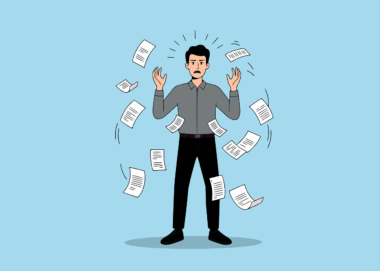

Stress and Its Impact on Concentration and Memory
Stress is a significant factor that affects many aspects of our lives, particularly in how well we can concentrate and remember information. It can manifest both physically and emotionally, influencing performance in various settings, such as at work or during academic endeavors. When stress levels are high, the brain’s ability to process and retain information diminishes, leading to serious concerns. Stressful situations can trigger the release of hormones like cortisol, which, in excess, can impair cognitive functions. Concentration is affected as the mind becomes preoccupied with worries and distractions. This may lead to decreased productivity, as tasks become challenging to complete. Additionally, memory is compromised. Short-term memory suffers when too much stress overwhelms the brain. The more we become stressed, the harder it is to focus on tasks at hand and absorb new information. Understanding how stress impacts both concentration and memory is essential for developing effective coping strategies. By recognizing stress symptoms early, individuals can take proactive steps to manage their stress levels, which can ultimately improve cognitive function and enhance overall quality of life. Identifying these stress symptoms is crucial for effective management.
Common stress symptoms can vary from person to person, making it difficult to identify when stress could negatively impact focus and memory. Knowing what signs to watch for is crucial in preventing further cognitive decline. For many, physical symptoms might include headaches, fatigue, or muscle tension. Others may experience emotional symptoms like irritability, anxiety, or feelings of being overwhelmed. These stress symptoms manifest differently, but they can all lead to issues with concentration and memory. Recognizing the connection between these symptoms and cognitive performance is vital. Therefore, maintaining awareness of stress triggers is necessary for better management. Here are some common stress symptoms to observe:
- Increased irritability: You may react more strongly to minor annoyances.
- Cognitive fog: Trouble thinking clearly often arises with high stress.
- Memory lapses: Frequent forgetting of tasks and appointments.
- Physical tension: Muscle tightness can signal stress in the body.
By identifying these symptoms early, individuals can take proactive steps to manage their response to stress effectively. Remember, recognizing these patterns is crucial.
Concentration Issues Linked to Stress
Concentration issues often arise directly from stress, making it essential to understand their relationship. When the brain is constantly bombarded with stressors, focusing becomes increasingly challenging. The attention span shortens, making tasks seem insurmountable. Individuals may find it hard to complete even simple tasks as they continuously switch their focus between worries and work. Stress takes up mental bandwidth that could otherwise be used for cognitive tasks. As a result, the ability to concentrate is compromised, leading to diminished productivity, which can further exacerbate stress. Conversely, reduced productivity can lead to feelings of guilt and anxiety, creating a vicious cycle of stress. Observing this cycle is crucial in managing stress effectively. Simple techniques can enhance concentration and alleviate stress. Activities like mindfulness, meditation, and deep-breathing exercises can help facilitate a calm mind, allowing for better focus. Additionally, regular breaks during tasks can reset focus and renew mental energy. The key is to incorporate these techniques into daily routines. Recognizing the impact of stress on concentration can open up possibilities for combatting its effects on daily life.
Memory impairment due to stress is often overlooked, yet it has profound implications for both personal and professional aspects of life. Stress can inhibit the brain’s natural ability to encode and retrieve information. When faced with high stress, the brain prioritizes immediate threats, leading to decreased memory retention. This means that important details may be forgotten quickly. As stress continues, the brain’s neuroplasticity, or the ability to adapt, is impacted negatively. Chronic stress may lead to more severe memory issues over time. Memory loss can manifest as forgetting names, misplacing items, or struggling to recall information crucial for work or school assignments. The emotional burden of such forgetfulness can cause even more stress, leading to a cycle that is hard to break. Finding ways to mitigate stress and improve memory function is essential. Simple techniques include staying organized, keeping lists, and practicing mindfulness to enhance memory retention. Creating a supportive environment can also encourage better memory usage. Remember, addressing stress can enhance cognitive function and improve memory performance, paving the way for a brighter, clearer future.
Strategies for Managing Stress
Developing effective stress management strategies is crucial for individuals facing concentration and memory challenges. Implementing these strategies can lead to significant improvements in overall well-being. First and foremost, engaging in regular physical activity is paramount. Exercise releases endorphins, which enhance mood and reduce feelings of stress drastically. Mindfulness practices also serve as powerful tools. Incorporating techniques such as meditation and yoga can foster calmness and clarity. Additionally, maintaining a balanced diet is often overlooked; proper nutrition fuels the brain, positively impacting cognitive functions. Prioritizing sleep is equally essential, as rest allows for mental rejuvenation. Aim for at least seven to eight hours of quality sleep per night, as lack of sleep can dramatically increase stress levels. Social support is another powerful tool against stress; surrounding oneself with friends and loved ones can provide both emotional support and practical assistance. Time management techniques, such as setting realistic goals and breaking tasks into smaller steps, can greatly reduce the feeling of being overwhelmed. Individuals can experience improved concentration and memory retention by adopting these strategies while successfully managing stress.
Incorporating relaxation techniques into daily routines can do wonders for stress reduction and cognitive performance enhancement. Finding practices that work best can lead to effective stress management. Practices vary widely, and individuals should explore what resonates personally. For instance, some may find joy in practicing mindfulness meditation, focusing solely on the present moment while letting go of tension. Others may prefer engaging in deep-breathing exercises, which are great for calming the mind and body. Gentle physical activities, such as tai chi or leisurely walks, can also be beneficial for stress reduction. These activities rejuvenate both the mind and body, allowing space for better focus and clearer memory. Listening to calming music or nature sounds can provide immediate relaxation and immerse individuals in a tranquil environment. Additionally, creatively expressing oneself through writing or art can act as an emotional outlet, conveying feelings that otherwise might be bottled up. These relaxation methods serve as tools for creating a sustainable stress management routine. By incorporating these simple practices into daily life, individuals can achieve lower stress levels while empowering their cognitive functions.
Conclusion: Embracing Strategies for Improvement
In conclusion, recognizing the detrimental effects of stress on concentration and memory is vital for adopting appropriate management strategies. The interconnectedness of stress symptoms and cognitive performance is undeniable, and taking steps to mitigate stress is essential for maintaining a healthy mind and body. By developing personalized strategies that combine physical activity, mindfulness practices, and proper nutrition, individuals can create a robust framework for stress management. Regularly engaging in relaxation techniques can enhance cognitive function and promote emotional well-being. Awareness of stress symptoms empowers individuals to proactively address their challenges. Support from family and friends plays a crucial role in navigating stress, creating a balance that fosters growth. Stress does not have to dictate one’s life; recognizing its signs and responding effectively can lead to a brighter future. Embracing these strategies with dedication and consistency will not only enhance concentration and memory but also result in an overall improved quality of life. Taking charge of stress levels ultimately allows individuals to flourish both personally and professionally, leading to fulfillment and positivity in various aspects of life.
Stress is a significant factor that affects many aspects of our lives, particularly in how well we can concentrate and remember information. It can manifest both physically and emotionally, influencing performance in various settings, such as at work or during academic endeavors. When stress levels are high, the brain’s ability to process and retain information diminishes, leading to serious concerns. Stressful situations can trigger the release of hormones like cortisol, which, in excess, can impair cognitive functions. Concentration is affected as the mind becomes preoccupied with worries and distractions. This may lead to decreased productivity, as tasks become challenging to complete. Additionally, memory is compromised. Short-term memory suffers when too much stress overwhelms the brain. The more we become stressed, the harder it is to focus on tasks at hand and absorb new information. Understanding how stress impacts both concentration and memory is essential for developing effective coping strategies. By recognizing stress symptoms early, individuals can take proactive steps to manage their stress levels, which can ultimately improve cognitive function and enhance overall quality of life. Identifying these stress symptoms is crucial for effective management.