
Nutrition and Core Muscle Recovery in Triathlon Training
In triathlon training, adequate nutrition plays a essential role in optimizing performance and recovery. Core muscle recovery is one of the most critical aspects that athletes must address. Triathletes commonly engage in rigorous training sessions; thus, proper refueling post-training is paramount. The body undergoes strain while performing exercises, and muscle recovery becomes vital to progress. With appropriate nutrients, muscles can repair more efficiently. This means incorporating proteins, carbohydrates, and healthy fats into the post-exercise meals. Consuming protein helps restore muscle fibers that have been damaged, while carbohydrates replenish glycogen stores. Healthy fats play a role in anti-inflammatory responses and joint health. Athletes need to aim for a balanced macronutrient intake for recovery purposes. Each meal should ideally consist of a ratio of 3:1 of carbohydrates to proteins, which aids muscle recovery timelines. Incorporating foods rich in antioxidants such as berries can also assist in curbing oxidative stress that training induces. Moreover, hydration cannot be overlooked, as water aids nutrient transport within the body. Each of these components contributes towards sustained training and performance benefits.
The Importance of Hydration for Recovery
Hydration influences the efficiency of recovery by affecting various bodily functions. Water plays a crucial role in nutrient transport, digestion, and thermoregulation. During triathlon training, athletes frequently lose substantial amounts of fluids through sweat, thus requiring diligent rehydration. Dehydration can lead to increased muscle cramps, fatigue, and longer recovery times. It is recommended that triathletes develop a hydration strategy that includes both water and electrolyte-rich sports drinks. These drinks help replenish not just fluids but also sodium and potassium, crucial for muscle function. Additionally, electrolytes prevent cramping and assist muscle contractions. To determine individual hydration needs, athletes should monitor their body weight pre and post-exercise. A weight loss of more than 2% signifies a need for more aggressive hydration strategies. Also, color monitoring of urine could serve as a basic hydration gauge; pale urine usually indicates adequate hydration. Establishing a routine that incorporates hydration both during and after workouts is essential. Scheduled intake during long sessions helps maintain optimal performance levels. This practice should align with an individual’s training schedule to ensure overall recovery effectiveness.
Post-exercise, taking advantage of the “recovery window” is essential. This period, which usually lasts about 30 minutes after intense workouts, is when the body is primed to absorb nutrients effectively. Triathletes can benefit from consuming a recovery shake or meal during this window to maximize muscle repair and glycogen replenishment. A mixture of whey protein and simple carbohydrates, such as a banana or white rice cakes, offers a rapidly absorbed source of energy and protein. This rapid intake can greatly influence performance in subsequent training sessions. In addition, utilizing recovery gels can expedite recovery to some extent, but these should be balanced with substantial whole food intake. Integration of whole grains, lean proteins, and nutrient-dense vegetables in meals post-run contributes towards improved muscle recovery. Furthermore, many athletes find it beneficial to incorporate healthy snacks throughout their training despite the overarching meal plan. Preparing nutrient-dense smoothies or energy balls ahead of scheduling can ensure easy access to high-quality nutrition. These practices not only enhance immediate recovery but also support long-term health and enhance overall triathlon performance.
Incorporating Nutrient Timing
Nutrient timing refers to strategically consuming macronutrients around training sessions. Optimizing nutrient timing leads to improved recovery, performance, and muscle gain. For triathletes, focusing on when to eat can yield improved energy levels and hasten recovery times. Pre-race nutrition is equally important; a meal consisting of high-quality carbohydrates should be consumed 2-3 hours before efforts to ensure adequate glycogen stores. Hydration should also be factored in with regular fluid intake during this waiting period. In terms of recovery post-workout, ingesting protein within the recovery window substantially aids in muscle growth and repair. Consuming an adequate amino acid profile enhances muscle protein synthesis rapidly. Furthermore, considering the liabilities of certain food choices is equally necessary as well. Foods that cause gastrointestinal distress should be avoided leading up to training and competition. Working closely with a dietitian can help custom-tailor nutrition strategies for triathletes. Providing a systematic approach in selecting appropriate food types helps foster an adaptable yet dependable fuel source. A well-aligned meal plan enhances overall triathlon training effectiveness through strategic layout and scheduling.
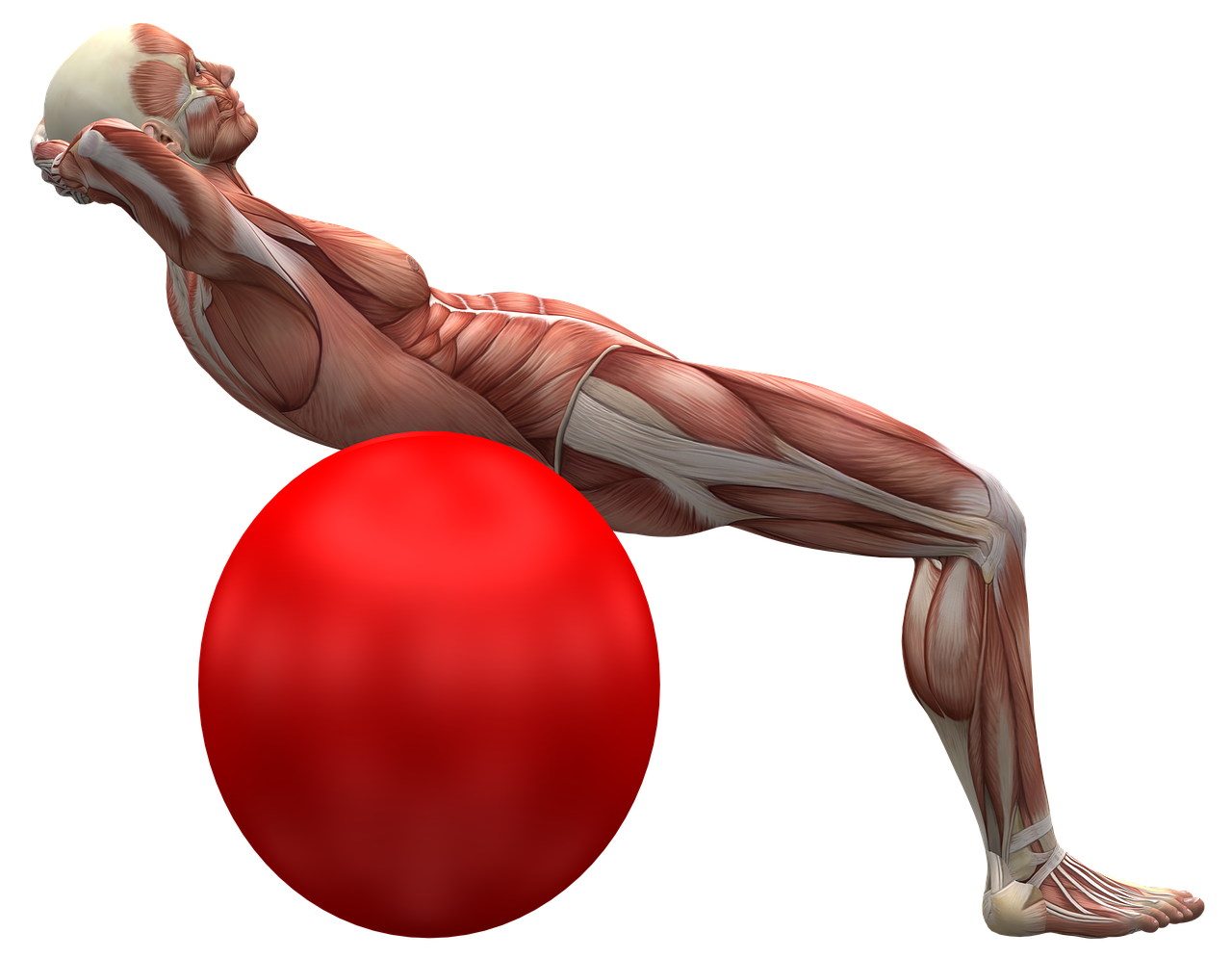
Strength training, particularly focusing on core muscles, directly supports overall triathlon performance. Core stability is essential for efficient movement, balance, and injury prevention. Incorporating core workouts into a training regime may aid in better power transfer while cycling or running. Exercises like planks, dead bugs, or Russian twists strengthen muscles that stabilize the torso, aiding in maintaining proper alignment while competing. Core exercises should be included at least twice weekly to promote strength gains; this can help enhance performance during events. Moreover, athletes must recognize that core training affects posture and breathing efficiency. Improved posture supports fatigue resistance over time as muscles coordinate effectively. When core workouts are combined with a strategic nutrition plan, both areas amplify performance results. Resistance training can stimulate protein synthesis; adapting nutrition accordingly ensures that muscles are properly nourished and repaired. Additionally, including foods like quinoa or sweet potatoes provides necessary energy for these sessions while enhancing recovery speeds. In the end, having a solid foundation built on both nutrition and core strength can facilitate an advantageous edge in competitive environments for aspiring triathletes.
Recovery Benefits from Supplements
While adequate nutrition can suffice for recovery, some triathletes consider supplements for additional benefits. Protein powders, BCAAs (branched-chain amino acids), and omega-3 fatty acids are popular choices among triathletes. They offer potential recovery enhancements and improved muscle repair responses. Protein powders can assist in reaching daily protein targets conveniently, ensuring rapid intake post-exercise when needed most. Furthermore, BCAAs may reduce muscle soreness, thanks to their role in preventing muscle degradation. On the other hand, omega-3 fatty acids have anti-inflammatory properties that can improve recovery rates. Exploratory research also suggests that supplements can enhance energy levels and even repair damaged tissues over time. While supplement usage can provide extra aid in recovery pathways, they should complement, not replace, a solid nutrition foundation. It is crucial to consult a healthcare provider or dietitian when considering additions to one’s diet. This ensures any supplements align with individual training goals and dietary needs, effectively promoting performance outcomes and overall health. For triathletes, properly balancing nutrient intake with supplement usage can maximize recovery potential across training cycles.
In conclusion, nutrition plays an indispensable role in core muscle recovery during triathlon training. Recognizing the interplay between diet, hydration, and strength conditioning sets the foundation for improved overall performance. Triathletes need to emphasize not only macronutrient ratios but the timing of their intake. Post-exercise refueling, along with effective hydration, can significantly positively influence recovery timelines vital in a triathlon training regimen. Moreover, integrating core strength training into the workouts amplifies recovery results, fostering greater endurance and resilience across the training spectrum. With the right combination of hydration strategies, nutrient timing, and supplemental aids, athletes can prepare their bodies for the challenges ahead while ensuring optimal muscle recovery pathways. By enhancing core training and fueling systems, triathletes can pursue success with a well-structured fueling model. Each of these components contributes not just to recovery but to improved performance levels during races. As athletes adopt these strategies, they fuel effectively, leaving them better prepared than previously thought possible for triathlon challenges. This comprehensive approach allows them to maintain stamina, preventing fatigue, enabling them to smash through potential barriers they encounter.