
Postpartum Weight Loss: When to Start Exercising Safely
Starting your postpartum fitness journey can be both exciting and challenging. After giving birth, it’s crucial to prioritize healing while considering when to resume exercise. Safety is the top concern. Many women may wonder how long they should wait before starting to exercise again. Generally, it is recommended to wait at least six weeks, particularly following a vaginal delivery. If you had a cesarean section, the wait might be longer, approaching eight weeks or more. During this time, focus primarily on light activities, such as walking. Walking not only promotes circulation but also helps in mood enhancement. It’s essential to listen to your body, however. Some may feel ready sooner, while others may take longer. Consulting with your healthcare provider can make a significant difference. They can offer personalized guidance based on your unique health circumstances. Remember that every postpartum experience is different, so take it at your own pace. Your body has undergone immense changes, and this adjustment period is vital for both physical and emotional health. Gradually increasing intensity will help ensure long-term success and well-being.
Once you’ve completed your initial recovery phase, it’s vital to assess your readiness. Many may find certain techniques beneficial for easing into postpartum fitness. Begin with pelvic floor exercises, such as Kegels, which strengthen the pelvic region. These exercises can be done discreetly at home. Once you’ve gained some confidence and strength, consider integrating core workouts. Exercises like modified planks or seated belly breathing can be ideal. Focus on engaging your core muscles gradually. For cardiovascular fitness, low-impact activities like swimming or cycling can provide a safe option. These exercises can help shed excess weight while safeguarding your joints. Remember to stay hydrated and nourish your body with wholesome foods. Nutrient-rich meals promote recovery and energy. When engaging in these activities, keep track of any discomfort or unusual symptoms. It’s important to listen to your body and avoid pushing too hard. Gradual progression is key. The goal is to develop a sustainable routine that promotes health and well-being. Always consider consulting with a fitness professional experienced in postpartum workouts to tailor a plan that suits your needs.
Understanding Your Body’s Changes
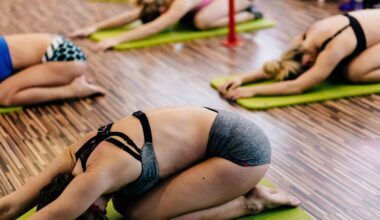
During the postpartum period, understanding the changes your body has undergone is essential for effective weight loss strategies. Hormonal shifts affect body metabolism significantly. Many women experience changes in appetite and cravings due to fluctuating hormones. It is important to recognize that your body might not respond to exercise or diet like it did before pregnancy. Be patient with yourself. Recognize that achieving postpartum fitness is a gradual process. A strong support system can also be beneficial during this time. Friends and family can provide encouragement and motivation. Consider joining a postpartum exercise class or group. These group settings can boost morale, allowing you to connect with others who share similar experiences. Exercises such as pilates or yoga specifically cater to postpartum needs, focusing on rebuilding strength while ensuring proper alignment and posture. Additionally, remember mindfulness in eating practices, which can significantly impact your overall progress. Attention to portion sizes and meal composition can lead to effective weight management. Combining these strategies can lead to successful outcomes, both physically and emotionally during the postpartum journey.
Incorporating strength training into your routine is another excellent strategy for postpartum weight loss. Strength training helps build muscle, which in turn boosts your metabolism. Bodyweight exercises such as squats, lunges, and modified push-ups can be effective, even when at home. Start with light weights or resistance bands. Progress gradually to more challenging exercises as your strength increases. This method not only aids in weight management but also enhances overall body functionality. Improved strength can assist in daily tasks, making life with a newborn easier. It is helpful to create a workout schedule that fits into your daily routine. Short sessions of 20 to 30 minutes can be as beneficial as longer workouts and are easier to fit into busy schedules. Consider engaging in these workouts during naptime or while your baby plays nearby. The flexibility of short workouts can contribute to consistency. Setting realistic goals will help maintain focus and motivation. Celebrate small successes along the way, as they are just as important as major milestones in your fitness journey.
Nourishing Your Body
Nutrition plays a pivotal role in postpartum weight loss. A balanced diet supports your recovery and energy levels while helping shed unwanted weight. Focus on consuming whole foods that provide essential nutrients. Fruits, vegetables, lean proteins, whole grains, and healthy fats should constitute the majority of your daily intake. Avoid restrictive diets; instead, learn portion control techniques. For breastfeeding mothers, it’s important to ensure you’re consuming enough calories to support milk production. Nutrition is equally essential for mothers who are not breastfeeding. Proper hydration also cannot be overlooked. Drinking plenty of water can help prevent fatigue and increase your metabolism. Meal prepping can be a lifesaver for new moms, allowing you to have nutritious meals readily available. During busy days, quick, nourishing snacks like nuts or yogurt can keep energy levels steady. Moreover, consider keeping a food journal to track your eating habits and identify areas for improvement. This awareness can lead to healthier choices over time. Consulting with a nutritionist can provide individualized advice tailored to address your unique postpartum needs, ensuring you’re on the right track.
As you progress on your postpartum fitness journey, remember to celebrate your body’s achievements, no matter how small they may seem. Weight loss should not be the only measure of success; emotional well-being is equally critical. Maintain a positive mindset while setting realistic expectations for your post-baby body. Many women can feel disappointed when results are slower than anticipated. However, it’s vital to recognize the incredible work your body has accomplished in bringing your child into the world. Connecting with other mothers can help you realize that you’re not alone in your struggles. Don’t hesitate to share your experiences and seek support. Consider journaling to document your feelings and thoughts throughout this process. Celebrate little victories, like completing a workout or making a healthy meal choice. Building a gratitude practice can also enhance your well-being. Focus on what your body can do rather than what it looks like. Shifting this perspective can create a more positive relationship with your body and promote healthier habits. Ultimately, your journey is about more than just physical appearance; it’s about your holistic health and happiness as a new mother.
Conclusion
In conclusion, embarking on a postpartum fitness journey involves a combination of patience, mindfulness, and self-compassion. It is essential to prioritize healing while gradually incorporating exercise and adopting healthy eating habits. Listen closely to your body and consult with healthcare professionals to guide your decision-making process effectively. Utilize support systems such as friends, family, or fitness groups that cater to postpartum needs for added encouragement. Many options exist for fitness modalities – from strength training to nutrition and cardiovascular workouts – providing ample opportunities to explore what works for you. Celebrate your achievements throughout this journey, focusing on your overall health rather than just the number on the scale. Remember, your body has undergone significant changes, and honoring its capabilities is vital for emotional well-being. Explore your unique postpartum experience while fostering a positive and nourishing environment. In this way, postpartum weight loss will become a meaningful part of your recovery journey, leading to sustainable and enjoyable results in your overall fitness. Embrace this period of transformation, advance progressively, and thrive in your newfound identity as a mother. Your health and wellness journey is just beginning.
Consider integrating flexibility exercises like yoga or stretching. These can also improve mobility, aiding in weight loss efforts. Postpartum fitness is a multifaceted journey, and every individual requires a tailored approach. Aim for consistency, making exercise and healthy eating a regular part of your life. Positive changes take time, so be forgiving of yourself during challenging days. The key is to create a supportive environment that nurtures your body and spirit. A broad array of resources is available to guide you, from online communities to local support groups. Finding what resonates with you is crucial for long-term adherence. Balancing your fitness goals and motherhood is an evolving journey. As time goes by, remember that your needs may change, and adapting to those changes is essential for success.