
Hydration and Electrolyte Supplements for Male Athletes
Hydration is crucial for male athletes as it directly impacts performance and recovery during physical activities. Proper hydration helps maintain optimal body temperature, lubricates joints, and supports cardiovascular function. Electrolytes such as sodium, potassium, calcium, and magnesium are essential for muscle contraction and nerve function. When athletes sweat, they lose these vital electrolytes, which can lead to cramping, fatigue, and decreased performance. Therefore, it’s important for male athletes to replenish lost fluids and electrolytes, particularly during intense and prolonged exercise sessions. The choice of supplementation can vary, but athletes often benefit from both natural sources and specialized hydration products.
Effective electrolyte supplements are designed to replenish vital nutrients quickly and efficiently. Many athletes prefer products that combine electrolytes with carbohydrates to boost energy levels. These supplements not only help maintain hydration but also provide the necessary fuel for extended periods of exercise. Choosing the right hydration supplement involves considering the type and intensity of the activity. Some hydration products come in powder form, allowing athletes to mix their preferred concentration, while others are ready-to-drink. Understanding personal hydration needs can lead to better performance outcomes and improved recovery.
Types of Electrolyte Supplements
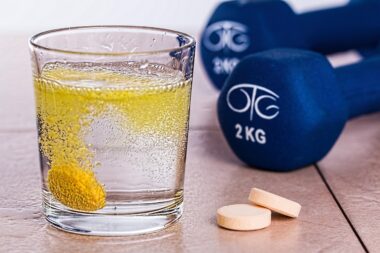
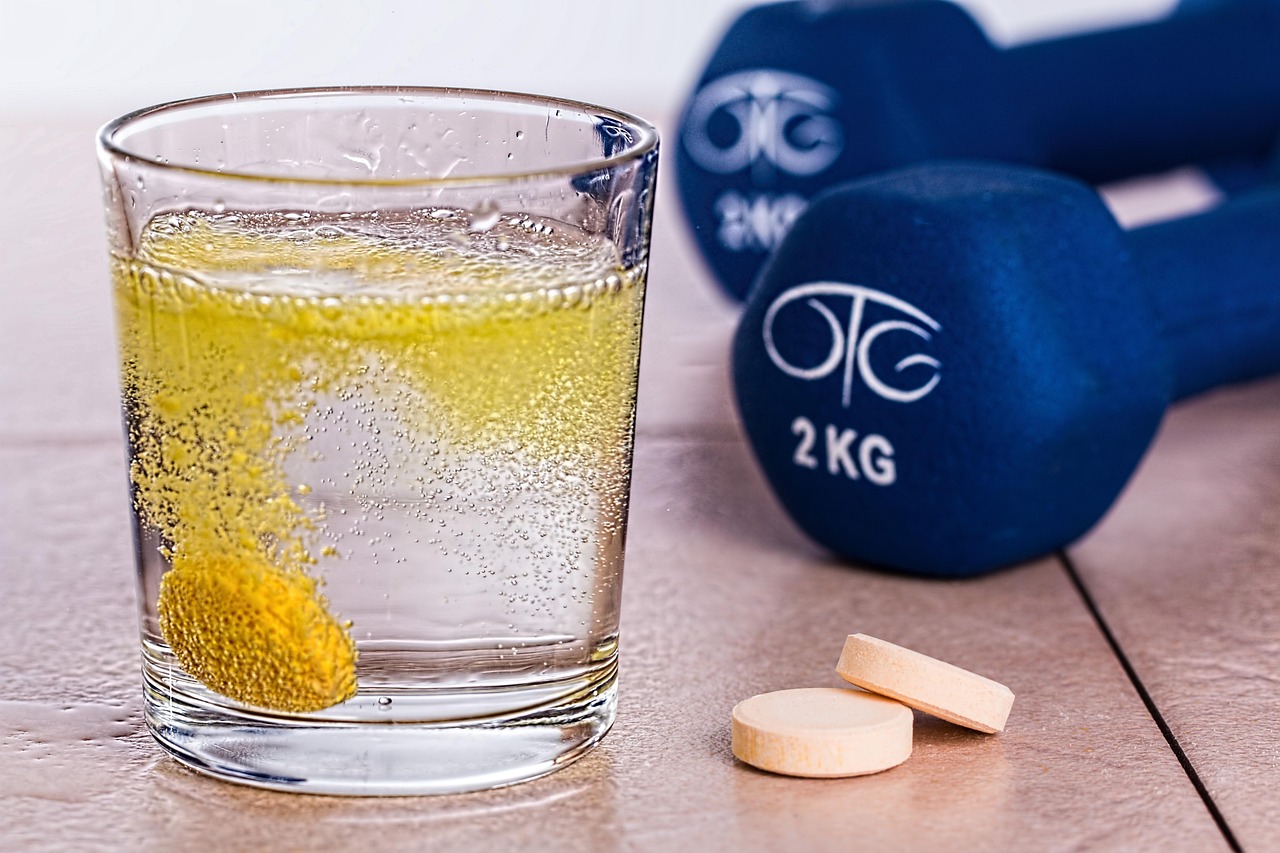
There are several types of electrolyte supplements available to male athletes. Powders, tablets, and ready-to-drink beverages are common choices. Powdered supplements are versatile, allowing for custom dilutions depending on preferences. Tablets are convenient for on-the-go use and easy to carry. Ready-to-drink options are pre-mixed, offering immediate hydration without any preparation. Each type has its advantages and disadvantages, and it is important for athletes to select one that suits their training environment and personal hydration strategy. Regular testing and monitoring can help identify the most effective products.
Electrolyte balance is not just limited to hydration but also involves diet. Male athletes should consume a diet rich in fruits and vegetables, which are natural sources of electrolytes. Foods like bananas, oranges, spinach, and avocados are excellent for replenishing potassium and magnesium levels. In addition to whole foods, athletes can complement their diets with electrolyte supplements when needed. Proper nutrition alongside supplementation ensures the body maintains a balanced state, thereby enhancing athletic performance and recovery. Staying aware of one’s nutritional intake is vital for attaining sports goals.
The Importance of Timing
Timing plays a crucial role in effectively utilizing hydration and electrolyte supplements. Athletes should aim to hydrate before, during, and after exercise. Consuming electrolyte-rich fluids pre-workout helps prepare the body for exertion, while mid-exercise intake can sustain performance during intense workouts. Post-exercise hydration aids in quicker recovery by replenishing lost fluids and nutrients. Athletes should create a hydration plan tailored to their specific training schedules and workout intensities. Regular intake of electrolytes at optimal times supports both short-term performance and long-term athletic goals.
Sports drinks and electrolyte supplements may vary in their composition and effectiveness. Male athletes need to choose products that align with their training objectives. Products that claim to enhance hydration often include varying levels of sugars and electrolytes, which can affect performance based on dosage and individual tolerance. Seeking guidance from sports nutritionists can provide clarity on the best products. Testing different brands and formulations during training allows athletes to ascertain the right product. Ultimately, finding the best hydration strategy is individualized for optimal performance.
Hydration and Recovery
Proper hydration significantly influences recovery for male athletes. Following intense physical exertion, adequate fluid and electrolyte replacement are paramount to restoring the body to its optimal state. Rapid rehydration can reduce muscle soreness and speed up healing processes after demanding workouts or competitive events. Athletes often report feeling more energized and less fatigued when they adhere to a consistent hydration routine post-exercise. Additionally, maintaining electrolyte balance can help prevent overtraining syndrome, which is especially important for athletes aiming for peak performance.
While hydration and electrolyte supplements are important, they are not a substitute for a balanced diet. Male athletes should focus on consuming high-quality proteins, healthy fats, and complex carbohydrates in addition to hydration strategies. Each nutrient plays a vital role in overall athletic performance. Moreover, understanding the synergy between nutrition and hydration can lead to more effective training outcomes. Ultimately, having the right mix of supplements and whole foods aligns effectively with enhanced athletic endurance, strength, and recovery. Being informed and proactive is key to achieving sports nutrition goals.