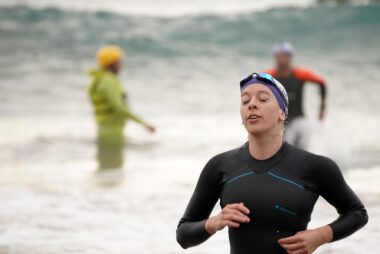

Sleep Disorders That Can Affect Triathlon Athletes
Triathlon athletes often overlook the significant impact of sleep disorders on their performance. The rigorous training schedules, combined with competition stress, can lead to various sleep disturbances. Conditions such as insomnia, sleep apnea, and restless leg syndrome are prevalent among competitive athletes. Insomnia can cause difficulty in both falling and staying asleep, negatively affecting recovery. Sleep apnea involves interrupted breathing during sleep, leading to fragmented rest and decreased oxygen supply. Restless leg syndrome can create an uncomfortable urge to move the legs, which disrupts deep sleep phases. Addressing these disorders is vital as they can impair endurance, focus, and overall athletic performance.
Sleep quality directly influences physical performance, enhancing stamina and recovery. For triathletes, adequate sleep is essential for muscle repair, hormonal balance, and cognitive function. When sleep is compromised due to disorders, subsequent training sessions may become less effective. Research shows that even a slight increase in sleep latency can detrimentally affect overall athletic output. Furthermore, while triathletes may instinctively train despite fatigue, ignoring sleep-related issues can lead to injuries and burnout. Consequently, addressing these sleep disorders is not merely a health concern; it’s pivotal for sustaining competitive performance levels. Many elite athletes have begun integrating sleep management strategies into their training regimens.
Understanding Insomnia and Its Consequences
Insomnia is characterized by persistent difficulty in falling asleep or maintaining sleep. Among triathletes, this may stem from heightened anxiety regarding competitions or overly demanding training routines. The consequences of insomnia extend beyond mere tiredness; they include diminished mental sharpness, slower reaction times, and impaired decision-making abilities. Athletes need sharp focus, particularly during competitions that demand strategic thinking. Studies highlight that insomnia can lead to physical symptoms, including increased heart rate and fatigue, directly affecting performance. For triathletes, insomnia can significantly hinder their abilities to complete training regimens and participate in competitions effectively.
Additionally, insomnia can provoke mood swings and irritability, fueling a cycle of underperformance. Regular exercise is known to aid sleep, yet intense training sessions may inadvertently exacerbate sleep issues if not managed properly. Athletes must develop effective pre-sleep routines to mitigate insomnia’s impact. These might include reducing screen time, engaging in relaxation techniques, and setting consistent sleep schedules. Thus, athletes should not underestimate the influence of sleep on their daily training effectiveness. Professionals recommend consulting sleep specialists to address insomnia and tailor solutions specifically for athletes’ unique requirements. Proactivity in managing insomnia can yield significant long-term benefits.
The Impact of Sleep Apnea on Athletes
Sleep apnea is another significant disorder affecting athletes, especially those with high muscle mass. It’s characterized by repeated interruptions in breathing, causing fragmented sleep and leading to considerable tiredness. Triathletes suffering from sleep apnea often experience decreased performance levels due to insufficient rest. It can leverage fatigue, cloud mental clarity, and lower stamina during races and training. Given the heightened physical demands of competitive sports, sleep apnea’s impact can be detrimental. Symptoms include loud snoring, excessive daytime sleepiness, and mood disruptions, ultimately compromising athletic pursuits by curtailing significant recovery time crucial for endurance athletes.
Moreover, the connection between sleep apnea and obesity in athletes can lead to a detrimental cycle, as weight gain often exacerbates the disorder. Effective diagnosis is crucial, as many suffer unknowingly despite high performance levels. Treatment can involve lifestyle modifications, positional therapy, or medical interventions, including CPAP machines. Addressing sleep apnea can enhance athletes’ recovery and improve their overall well-being. Triathletes must prioritize sleep quality alongside their training. By incorporating periodic assessments of sleep health into their routine, athletes can identify potential sleep issues and take active steps to rectify them, ensuring optimal performance over time.
Managing Restless Leg Syndrome
Restless leg syndrome (RLS) can also pose significant challenges for triathletes, causing uncomfortable sensations that disrupt sleep. Athletes may experience an irresistible urge to move their legs, which can lead to insomnia. The importance of good sleep cannot be overstated, particularly for endurance athletes. If RLS affects an athlete’s sleep quality, it can lead to poor performance and increased exhaustion during workouts. Methods to manage RLS include lifestyle changes, stretching exercises, and maintaining a proper sleep environment. Athletes should ensure they are adequately hydrated and meet dietary needs, as some deficiencies can exacerbate RLS symptoms.
Furthermore, seeking professional guidance can be essential for athletes who suspect they suffer from RLS. Sleep specialists can provide tailored advice to alleviate symptoms effectively, allowing for better recovery and training efficacy. Utilizing different tools such as sleep diaries to track symptoms and their impact on training can provide insight into patterns and triggers. Hypnotherapy and cognitive behavioral therapy have also shown promise in reducing RLS symptoms. By mitigating the effects of restless leg syndrome, triathletes can significantly improve sleep quality, ultimately leading to enhanced performance levels and a healthier athletic lifestyle.