
The Psychology of Movement: Adaptive Dance and Emotional Health
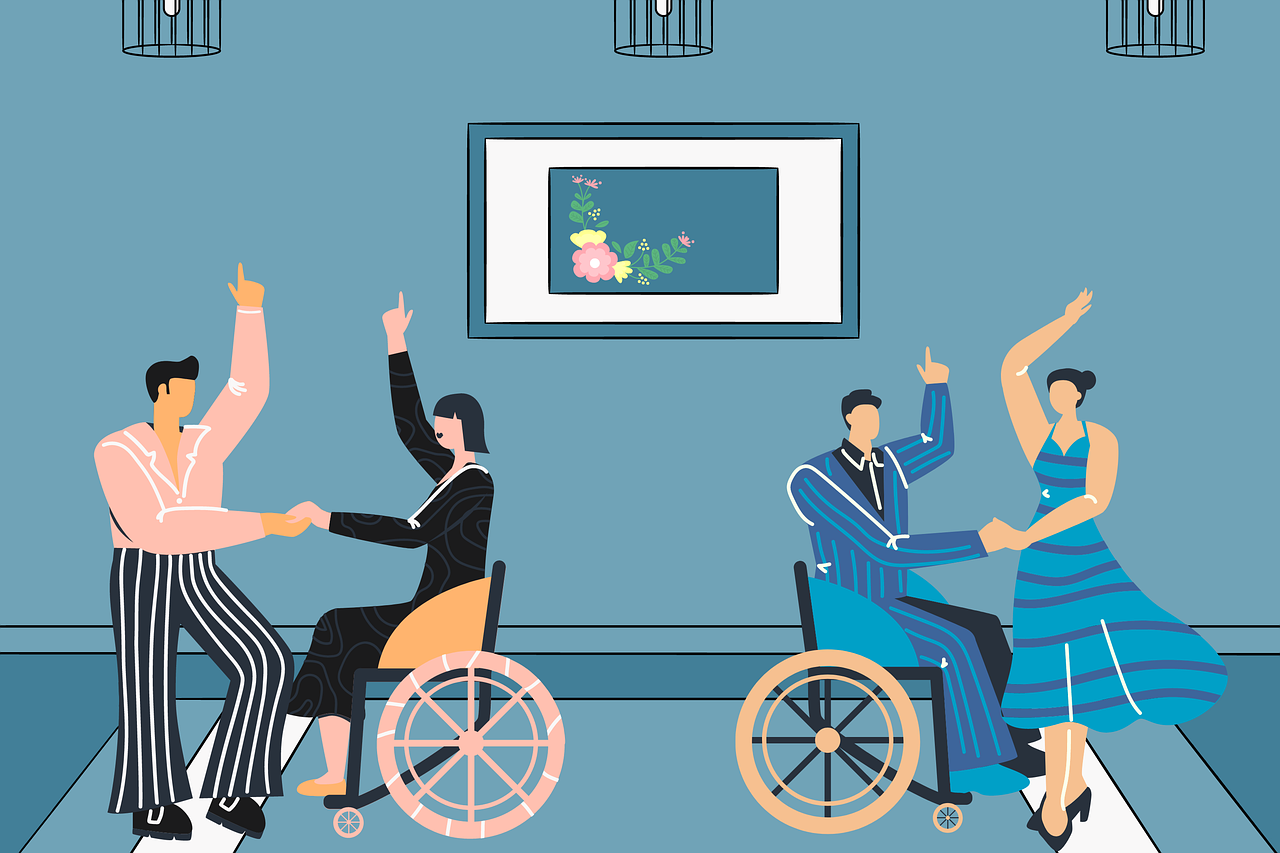
Adaptive dance is a transformative practice that blends physical movement with emotional expression, catering to people with disabilities. This unique form of dance not only nurtures physical fitness but also plays a vital role in promoting emotional well-being. Through adaptive dance, participants engage in a supportive environment where they can express themselves freely. This dance form has been shown to enhance mood, reduce anxiety, and foster a sense of community among participants. The activities introduce participants to rhythms and movements tailored to their capabilities, encouraging bodily awareness. Moreover, these movements help individuals build confidence and self-esteem. As each participant learns to dance, they also learn valuable social skills. The integration of music further enhances this psychological connection to movement, allowing dancers to utilize creativity. Overall, adaptive dance serves as a powerful tool for emotional health, enabling individuals to explore their creativity in a safe and nurturing space. By focusing on inclusivity and personal expression, adaptive dance breaks barriers and allows everyone to experience the joy of movement, effectively addressing emotional challenges through artistic engagement.
While engaging in adaptive dance, individuals learn to harness their emotions and improve their mental health. The practice encourages participants to reflect on their feelings, allowing for deeper self-awareness. Research indicates that movement can elevate mood and foster emotional resilience. As individuals dance, they often express emotions that might be difficult to articulate verbally. This non-verbal communication is essential for personal growth and healing. Adaptive dance also strengthens the connection between mind and body, which is critical for those facing difficulties stemming from physical disabilities. As participants become more attuned to their bodies, they gain confidence in their physical abilities. Furthermore, working alongside others creates a sense of belonging, reducing feelings of isolation many may confront in society. The shared experience of learning new movements or choreography encourages teamwork and collaboration. Through the lens of emotional health, adaptive dance becomes a holistic therapeutic practice that strengthens psychological well-being. It opens doors for self-expression and personal development, emphasizing the value of creativity and movement in achieving emotional balance. Ultimately, adaptive dance champions a positive mental outlook for all participants while acknowledging their individual journeys.
Emotional Benefits of Adaptive Dance
A significant advantage of adaptive dance is its capacity to enhance emotional wellness among participants. Physical activity is known to release endorphins, which are chemicals responsible for improving mood and reducing feelings of pain. Integrating dance into a structured program allows for a unique outlet of expression that can alleviate symptoms of anxiety and depression. Additionally, the social interactions formed during group classes provide an emotional support network that fosters a sense of belonging. This camaraderie greatly contributes to each participant’s overall happiness and satisfaction. Adaptive dance encourages individuals to confront challenges, such as body image issues, which may stem from societal perceptions of disabilities. By participating in dance, individuals learn to appreciate their bodies and gain new perspectives on movement. Furthermore, the sense of achievement resulting from mastering a new routine plays a crucial role in building self-esteem. As dancers grow more confident in their abilities, they become more open to exploring other aspects of their emotional lives. Adaptive dance therefore serves as a pathway to resilience, empowering individuals to navigate life’s struggles through creative expression.
Adaptive dance provides a unique platform that facilitates emotional exploration and vulnerability in a safe environment. Within a supportive group setting, participants can share their experiences and challenges, fostering empathy among peers. This sense of understanding not only strengthens bonds but also encourages individuals to confront their feelings together. During classes, instructors often guide discussions about emotions and experiences, providing a holistic approach to healing. The emphasis on collaborative movement teaches dancers how to work collectively, instilling valuable life skills that are transferable beyond the dance floor. Consequently, dance becomes not just a physical activity but a venue for emotional growth and relational development. The reflective practices integrated into adaptive dance also allow participants to process their thoughts and feelings. Dancers may engage in moments of stillness, allowing contemplation and introspection. These exercises underpin the importance of mindfulness, focusing on the present while embracing one’s emotions. By acknowledging and validating feelings, adaptive dance fosters an understanding that emotional challenges are part of the human experience. Through this journey, individuals cultivate resilience, deepening their connection to themselves and each other through the power of movement.
Incorporating Mindfulness into Dance
The concept of mindfulness is intertwined with adaptive dance, adding depth to the experience. Mindfulness encourages individuals to focus on their present sensations, emotions, and thoughts while they move. Integrating mindfulness techniques into dance can significantly enhance emotional awareness. Participants may practice breathing exercises and body scans, bringing attention to how their bodies feel during movement. This heightened awareness allows individuals to release tension and foster a deeper emotional connection to their dance. As participants become more conscious of their movements, they develop a greater appreciation for their own bodies and environments. This practice encourages dancers to embrace creativity and spontaneity. Furthermore, mindful practices can help individuals navigate stressful emotions, promoting relaxation and emotional regulation. Participants may learn to recognize when they feel overwhelmed and use movement as a way to channel these feelings positively. As a form of self-care, mindfulness paired with adaptive dance empowers individuals to cultivate calmness amidst chaotic emotions. Ultimately, this blend of dance and mindfulness offers a profound way to process feelings, fostering healing and well-being through intentional movement.
The psychological impact of dance extends beyond the physical space of the studio, enabling individuals to carry therapeutic benefits into their daily lives. The skills and strategies acquired through adaptive dance can be applied to various aspects of life, promoting emotional resilience and adaptability. Participants often report feeling more equipped to handle life’s challenges, whether related to personal circumstances or broader societal issues. This newfound confidence translates into their everyday interactions, enriching their relationships and overall quality of life. The experiences shared within the context of adaptive dance foster bonds that convey lessons of empathy and support. As individuals continue to grow personally and emotionally, they often find themselves inspired to advocate for others within their communities. Many former participants of adaptive dance soon become champions for inclusion and acceptance, highlighting the importance of accessible fitness options. The influence of dance motivates individuals to explore other creative outlets, whether through music, visual arts, or other forms of expression. As a result, adaptive dance emerges as a catalyst for holistic development, encouraging a sense of purpose and interconnectedness among participants in the wider world.
The Future of Adaptive Dance
Looking forward, the future of adaptive dance is bright, with increasing recognition of its importance in addressing emotional health. As society becomes more aware of the need for inclusive practices, creative movements tailored to various abilities will likely rise. Educational institutions and community organizations are beginning to incorporate adaptive dance into their programs, ensuring access for everyone. Such initiatives foster greater awareness of the positive impacts adaptive movement has on emotional and physical well-being. Moreover, technological advances enable the development of virtual dance classes that can reach a broader audience, further emphasizing inclusivity. Online platforms also provide opportunities for dancers to connect globally, encouraging the sharing of experiences and insights. Through collaboration and creativity, adaptive dance can evolve continuously, welcoming new methodologies and practices. As it gains traction, adaptive dance can garner additional funding and support, facilitating more workshops and community events. This evolution ensures that adaptive dance remains a vital component of holistic health practices, ultimately transforming perceptions around disabilities and movement. By embracing this transformative art form, society can promote healing and emotional wellness through movement, fostering a culture of acceptance and inclusion.
In summary, the intersection of adaptive dance and emotional health represents a significant area of growth and opportunity. By understanding and promoting the psychological benefits of movement, society moves closer to inclusive practices and holistic well-being. Participants in adaptive dance not only discover the power of expression and creativity but also cultivate self-confidence and resilience. With every sway and turn, individuals are reminded of their inherent worth and ability to bond with others through shared experiences. Adaptive dance fosters a nurturing environment conducive to emotional growth and recovery. As individuals continue to advocate for inclusive dance practices, the ripple effects of such movements can potentially create a cultural shift. Through education and awareness, both dancers and non-dancers can contribute to a more compassionate society that values every person’s unique journey. As transformative as it is inspiring, adaptive dance will undoubtedly play a crucial role in shaping the future of inclusive wellness. Together, we can embrace the power of movement, celebrating each person’s ability to thrive emotionally and physically while dancing through life.