
Meals to Support Weight Loss During Intermittent Fasting
Intermittent fasting can be a helpful strategy for weight loss, and planning your meals around this schedule is crucial. Many people wonder what meals are suitable while following a fasting regimen. When selecting your dishes, considering your nutritional needs during the eating window can help maximize results. Incorporating lean proteins, healthy fats, and fibers can keep you satiated and satisfied. Whether you’re fasting for 16 hours a day or practicing alternate-day fasting, meals that help balance blood sugar levels and provide essential nutrients are important. You might consider options like grilled chicken, steaming vegetables, or a hearty salad with avocados for healthy fats. Additionally, snacks such as nuts or Greek yogurt can also help you stay energized. It’s important to eat adequately during your restricted time to ensure your body receives necessary nourishment. Remember, the quality of food you consume will impact your overall success in intermittent fasting. Make sure to hydrate properly and fill up on nutrient-dense foods. A well-planned menu supports healthier weight loss and enhances your fasting experience.
Starting your day with a nutritious breakfast during your eating window can set a positive tone for the rest of the day. Incorporating wholesome ingredients into your breakfast can provide lasting energy and keep hunger pangs at bay. Whole grains such as oats or quinoa can be excellent bases for your morning meals. Add fruits, nuts, or seeds for a nutritional boost. Smoothies can also serve as a quick and convenient breakfast option, allowing you to pack in various ingredients effortlessly. For example, blending spinach, banana, and almond milk can yield a filling, delicious drink. Eggs are another amazing option, providing high protein levels to support satiety. Scrambled, poached, or hard-boiled eggs cooked with vegetables create an excellent meal fit for any fasting schedule. Preparing meals in advance is crucial to ensure adherence to your fasting plan. Meal prepping can help ensure that you have the right foods on hand, so you’re less likely to grab unhealthy options. Choosing foods wisely during the eating period can elevate your fasting practice and ultimately lead to more successful results.
Healthy Lunch Ideas
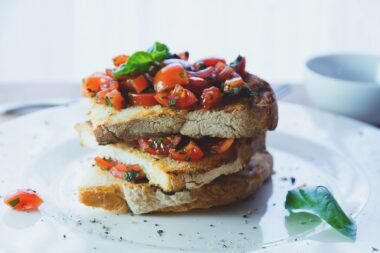
As the day progresses, finding suitable lunches that align with your intermittent fasting goals becomes essential. Building a balanced lunch ensures that you maintain energy levels while providing vital nutrients. You may opt for hearty salads with lean proteins like grilled chicken, chickpeas, or tuna for a nutritious meal. Add colorful vegetables such as bell peppers, carrots, and spinach to create a visually appealing dish. Drizzling olive oil and lemon juice over your salad can enhance flavor without adding unnecessary calories. Alternatively, wrap your favorite ingredients in a whole-grain tortilla for a tasty portable option. You could also try a quinoa or brown rice bowl topped with vibrant vegetables and a protein source. Consider prepping extra portions during dinner to ensure leftovers for lunch, simplifying your meal planning. Snacks like homemade energy bars or fruit with nut butter can be excellent additions to keep you satisfied until your next meal. Staying organized with meal portions prevents overindulgence during your eating window, supporting your intermittent fasting experience further.
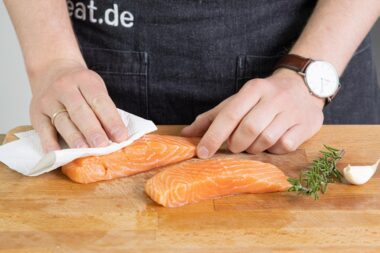
Dinner is another critical component of your intermittent fasting journey, and it should offer nourishment and satisfaction. Focus on rich sources of protein and healthy fats that provide your body with energy and fulfill nutritional needs. Grilled salmon, for instance, offers omega-3 fatty acids, making it a great choice for dinner. Pair it with steamed broccoli, asparagus, or cauliflower to add fiber and essential vitamins. A moderate portion of a complex carbohydrate, such as brown rice or sweet potatoes, can help round out the meal while sustaining energy levels. Opt for dark leafy greens cooked in olive oil or roasted with garlic for additional flavors. Experiment with herbs and spices to enhance the taste of your meals without excessive calories. Remember, taking your time to enjoy this meal is essential. Eating slowly allows your body to process hunger signals effectively, preventing overeating. With numerous delicious options available, you can still enjoy your meals while adhering to your fasting schedule. A well-balanced dinner supports your overall health and aligns well with any fasting strategy you may adopt.
Protein-Packed Snacks
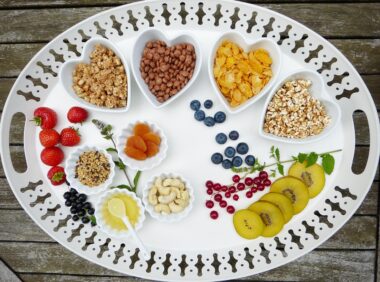
In addition to meals, selecting wholesome snacks can help maintain energy levels during eating periods. Consuming protein-rich snacks like cottage cheese, hummus with veggie sticks, or nut butter on whole-grain toast can empower your intermittent fasting routine. These snacks serve as mini-meals that can sustain you between regular meal hours without breaking your fasting effort. Incorporate plenty of fruits and vegetables during these times to ensure you’re consuming sufficient nutrients. Berries, carrots, cucumber slices, or an apple with peanut butter make perfect snack options. They’re easy to prepare and can be paired with indulgent, nutritious options. Consider making homemade protein bars filled with nuts, seeds, and oats to have on hand when hunger strikes. These homemade energy bars provide control over your ingredients and can be made to suit your flavor preferences. Moreover, staying hydrated is also essential. Keep a bottle of water nearby to sip throughout the day; sometimes, our bodies confuse thirst with hunger. By incorporating healthy snacks into your intermittent fasting plan, you ensure effective adherence without feeling deprived many days.
Sticking to an intermittent fasting schedule requires diligence and the right mindset. Incorporating diverse meal options that satisfy and nourish can make this approach enjoyable. Meal variety not only prevents boredom but also ensures that you cover various nutritional needs. Embracing spices and herbs can elevate the usual monotony of meals, enriching flavors immensely. Creating flavorful marinades or sauces can help enhance your dish profile, making healthy meals appetizing. For instance, using ginger, garlic, or turmeric can add unique dimensions to your meals while providing added health benefits. Experimenting with global cuisine can make mealtimes exciting. Consider preparing dishes from Mediterranean, Asian, or Latin American kitchens, incorporating unique ingredients and flavors into your meals. Preparing food in different ways, whether it’s grilling, baking, or stewing, can also impact the overall taste and texture. Allow your meals to be a reflection of your creativity and enjoyable experiences. When intermittent fasting, nourishing your body doesn’t have to be boring or restrictive. You can discover joy in the foods you eat while continuing to achieve weight loss through this effective fasting strategy.
Conclusion: Making the Most of Your Meals
Through the lens of intermittent fasting, understanding efficient meal planning allows you to achieve health and weight loss goals effectively. Prioritize balanced meals rich in proteins, healthy fats, and fibers while avoiding overly processed foods. The quality of your meals is fundamentally essential, whether you have a short or extensive fasting window. Experiment with different recipes that cater to your individual taste preferences while also offering essential nutrients. Keeping a meal log can assist in gauging your food intake and make adjustments accordingly. Also, don’t forget to include hydration in your routine, as water intake is critical during fasting periods. You can also infuse water with herbs or fruit for a flavorful twist. Lastly, reach out to community forums or social media groups that focus on intermittent fasting; sharing experiences and recipes enriches the information available and connects individuals. By focusing on creating a positive eating experience, you can make intermittent fasting sustainable long-term, leading to healthier habits and increased wellbeing. Embrace your journey, and let your meals be a source of nourishment and enjoyment!