
Stretching Exercises to Improve Athletic Performance at Home
Stretching is essential for enhancing athletic performance, especially when done consistently at home. Incorporating a variety of stretching routines can provide significant benefits not only for flexibility but also for strength and endurance. Developing a proper routine strengthens muscles, reduces tension, and prepares the body for rigorous athletic activities. Athletes who prioritize stretching often experience improved range of motion, which can lead to better performance outcomes in their respective sports. In addition, enhanced flexibility can reduce the risk of injuries, allowing athletes to train harder and more frequently. There are many stretching techniques suited for different athletic needs, and integrating them into a home workout regime is easier than ever. By making stretching a priority, athletes create a solid foundation for overall athletic success. Here are some effective stretching routines that can be practiced at home. Regular stretching contributes not only to immediate performance enhancement but also to injury prevention in the long run. Let’s explore some key exercises that can elevate your athletic endeavors right from your living room and make positive changes to your training sessions and physical activities.
One of the best practices for effective stretching at home is to establish a clear routine that includes dynamic and static elements. Dynamic stretches, which are performed in a controlled manner, prepare the body for physical activity while static stretches help in muscle recovery and elongation post-exercise. For instance, leg swings, arm circles, and torso rotations are excellent dynamic stretches to incorporate before workouts. Post-training, hold static stretches targeting major muscle groups, including hamstrings, quads, and shoulders, for about 30 seconds each. Consider utilizing yoga poses that promote flexibility and mindfulness to prepare mentally for training. Consistency is the key to seeing results in your flexibility and athletic performance through effective stretching. Additionally, maintain a focus on breathing to enhance the stretching experience. Take deep breaths during stretches to relax the muscles and facilitate better results. As you gain proficiency in these techniques, you’ll notice improvements in flexibility and overall athleticism. Ensuring correct technique is crucial, as improper form can lead to strain and limit benefits. With the right commitment, you’ll be ready to leap higher, run faster, and achieve new personal bests.
Understanding Different Stretching Types
Grasping the various types of stretching can significantly impact athletic performance. There are several methods, including ballistic, dynamic, static, and proprioceptive neuromuscular facilitation (PNF). Ballistic stretches, which involve bouncing movements, should be approached with caution as they can lead to injury if not executed properly. Dynamic stretching is essential as it activates muscles through controlled motion and increases the heart rate, making it ideal for warming up before an intense workout session. Static stretching, on the other hand, should be saved for cooldown periods at the end. This type of stretching decreases muscle stiffness and increases flexibility as it directly targets specific muscle groups without movement. PNF, a more advanced technique that combines contracting and relaxing muscles, is generally performed with a partner. This can involve holding a stretch for a few seconds, followed by exerting force, then returning to the stretch. Understanding these types equips athletes to tailor their routines accordingly based on the activity they are preparing for, improving performance and overall outcomes with practical at-home applications.
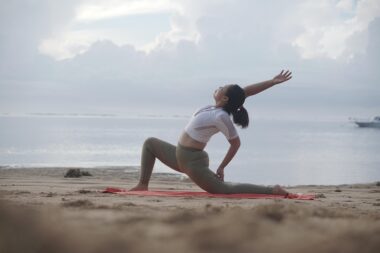
Incorporating stretching exercises into your daily routine can yield remarkable benefits, making it an impactful addition to any home workout plan. Start with essential stretches like the toe touch, quadriceps stretch, and shoulder stretch. The toe touch not only enhances hamstring flexibility but also warms up the lower back effectively. Similarly, the quadriceps stretch targets the front thigh muscles and helps in preventing injuries during lower body workouts. To counteract the physical demands of most sports, don’t forget to include rotational stretches for the core and upper body. The trunk twist is an excellent exercise that engages the entire core while improving spinal flexibility. As you evolve your routine, consider mixing in advanced stretches or yoga poses that target specific weaknesses. For example, the pigeon pose enhances hip flexibility and opens the hip region, essential for runners and athletes performing multi-directional movements. Moreover, incorporating mobility drills can complement static stretches for even greater recovery and performance enhancement. Proper nutrition and hydration play complementary roles, so maintain a balanced diet alongside your stretching routine for optimal results.
The Importance of Consistency in Stretching
To experience the full benefits of stretching, consistency is key. Regularly dedicating time to stretch, whether in the morning or post-exercise, can make a significant difference in flexibility and overall athletic performance. Aim to incorporate stretching at least three to four times a week for the best results. For beginners, start with just a few minutes each session and gradually increase holding times and repetitions. Engaging in these practices consistently will condition your muscles and joints, leading to greater efficiency during workouts and competitions. Additionally, consider warming up with dynamic stretches before each activity to prepare your body and then transition to static stretches afterward to promote recovery. The long-term effects of consistent stretching go beyond flexibility; they contribute to improved posture, injury prevention, and even mental focus—all vital components for any athlete. Many athletes find that journaling their progress helps keep them accountable and motivated. Set achievable flexibility goals to track your advancements, paving the way for better performance benchmarks and overall health. Stretching must be viewed as an essential pillar of your training regime rather than an optional add-on.
Setting a comfortable and distraction-free environment at home can enhance your stretching sessions significantly. Create a designated space that is free from interruptions to optimize focus during your stretching routine. Consider utilizing yoga mats, foam rollers, or straps to enhance your stretches and help achieve proper form. Having the right tools can contribute to a more effective stretching experience. Before starting your routine, ensure you warm up your body with some light aerobic movements to increase blood flow to your muscles. Additionally, incorporate music or guided stretching videos to establish a calming atmosphere, making it easier to concentrate on your stretches. Building a habit around this structure fosters consistency, reducing the chances of skipping your sessions due to disinterest. Engage friends or family members to consciously join your stretching sessions, turning it into a shared experience and providing motivation. The social aspect can significantly affect adherence to exercise routines. Take note of how much better your body feels during and after stretching. Establish goals to track improvements in flexibility over time, as this can lead to increased motivation and excitement to push boundaries in your training.
Conclusion: Benefits of Stretching for All Athletes
In conclusion, regular stretching offers invaluable benefits to athletes of all levels, enhancing performance, flexibility, and recovery. Regardless of the sport, dedicating time to stretch at home can prepare the body effectively for physical demands. Emphasizing a solid stretching routine tailored to individual needs will pave the way for improved athletic performance and injury prevention. Make a habit of engaging in both dynamic and static stretches, integrating them into your workout regimen. Whether it’s preparing for a big game or recovering after a workout session, the power of stretching should not be underestimated. Regular focus on flexibility not only improves physical capabilities but also contributes to a confident mindset. bear in mind that results won’t happen overnight; consistent effort leads to measurable progress. By adopting these practices, athletes can leverage their full potential, transforming not just their performances but their overall well-being. So, roll out the mat, take a deep breath, and commit to make stretching an integral part of your athletic journey. The rewards will resound throughout your entire fitness experience.
As an athlete, your stretching journey is personal. Everyone’s body is unique, and understanding that journey is key to optimizing performance. Pay close attention to your body signals, ensuring that your stretching routine meets your specific needs for improvement. Modify stretches where necessary, adapting them to your body type and athletic requirements. This understanding fosters a better connection with your body’s capabilities while addressing limitations. Feedback is essential; continually assess your flexibility and strength over time. Adapting your routine based on your progress can open new doors for further improvement. Include variety and challenge in your stretching practice, mixing traditional stretches with new techniques and explorations. The inclusion of recovery days allows muscles to rebuild and is equally important in any athletic program. Remember to maintain a balanced nutritional regimen, ensuring your body is well-fueled and hydrated. Focusing on mental well-being and stress reduction through mindful stretching can enhance athletic performance significantly. Your commitment to this multifaceted approach will ensure ongoing improvements in flexibility and overall athletic capabilities, allowing you to continually push boundaries and strive for greatness.