
Common Respiratory Challenges in Aging and How Fitness Helps
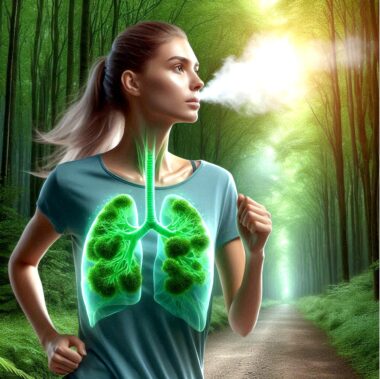
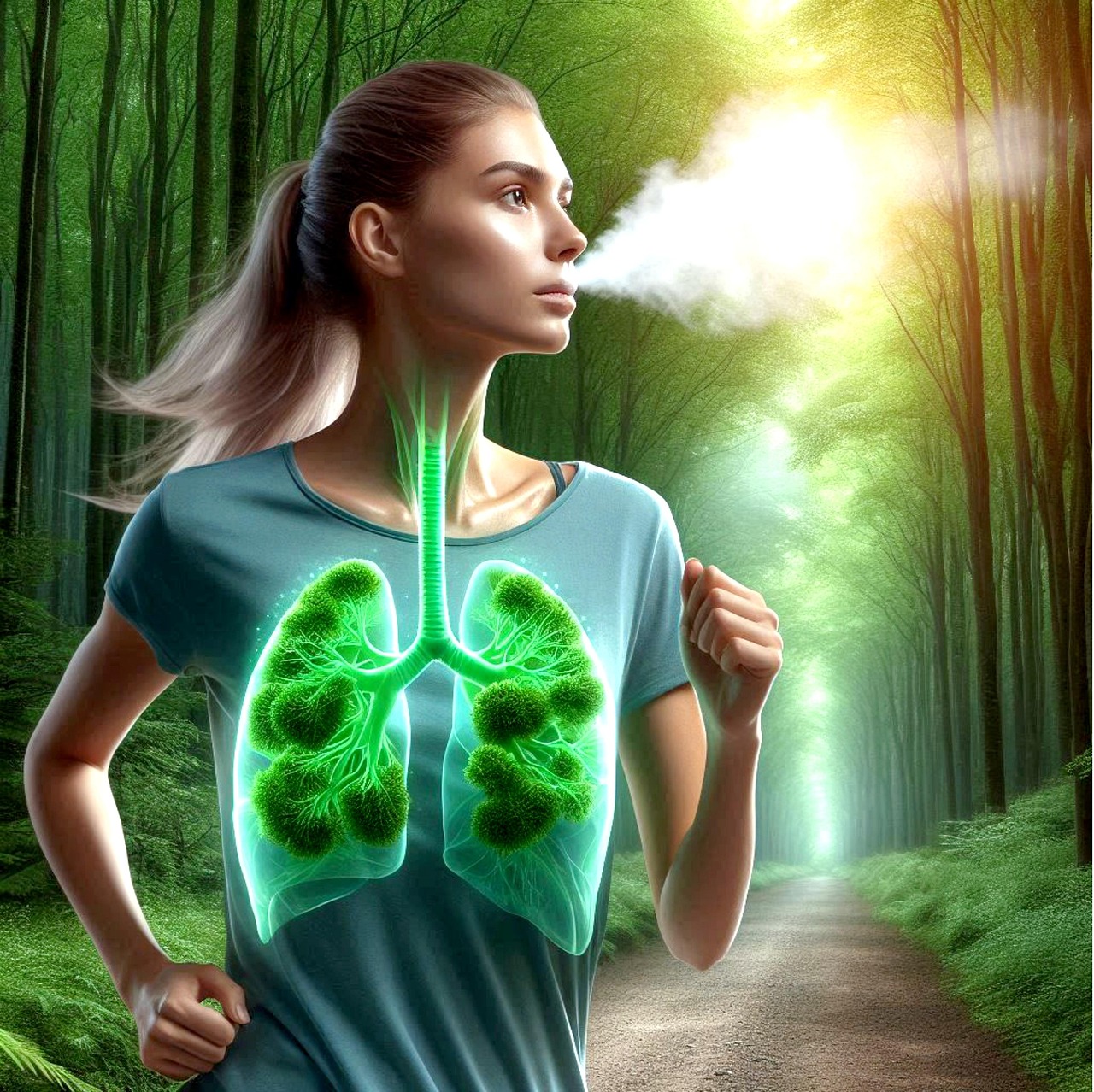
As individuals age, various respiratory challenges can arise, leading to significant health concerns. Common issues include chronic obstructive pulmonary disease (COPD), pneumonia, and reduced lung capacity. Such conditions often result from prolonged exposure to toxins, smoking, or decreased physical activity. Detecting and addressing these challenges is crucial for maintaining a healthy respiratory system. Further exacerbating these issues, elderly adults may experience muscle weakness, making it more difficult to breathe efficiently. To combat these challenges, an active lifestyle is essential. Regular exercise helps improve respiratory muscle strength and increases lung capacity. This, in turn, can lead to better oxygen delivery throughout the body. Incorporating aerobic exercises, strength training, and breathing exercises can significantly enhance overall pulmonary health. Consulting healthcare providers for exercise recommendations tailored to individual needs is strongly advised. This ensures a safe and effective fitness regimen. Therefore, focusing on preventive measures against respiratory difficulties can substantially improve the quality of life for older adults. The integration of fitness into daily routines is vital for overcoming these challenges and thriving during the later stages of life.
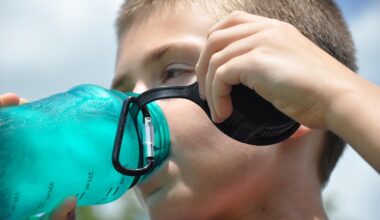
Several factors contribute to respiratory challenges in the aging population. One major factor is the decline in the immune system’s effectiveness. As individuals grow older, their immune systems become less able to fend off respiratory infections, leading to conditions such as bronchitis or pneumonia. Chronic respiratory diseases can also worsen existing health problems, making them harder to manage. Furthermore, environmental factors play a significant role. Poor air quality, allergens, and smoke exposure can intensify respiratory conditions. Therefore, it’s essential to create a healthy living environment for seniors. Incorporating clean air filters and minimizing exposure to pollutants can effectively help mitigate these risks. Education on recognizing symptoms early can also be beneficial. Families should be aware of changes in their loved ones’ breathing patterns, ensuring they seek timely medical attention when needed. Proper hydration is key to maintaining airway moisture and function. For elderly individuals, incorporating these simple lifestyle changes can contribute to significant improvements. Ultimately, promoting awareness around respiratory health and encouraging proactive measures can lead to better outcomes in aging populations, allowing for healthier and more active lives.
Importance of Breathing Exercises
Breathing exercises offer many benefits for older adults facing respiratory challenges. These exercises enhance lung capacity, promote oxygen exchange, and improve respiratory muscle strength. Simple techniques such as diaphragmatic breathing and pursed-lip breathing can help alleviate breathlessness and stimulate relaxation. Engaging regularly in these exercises enables older adults to control their breathing patterns, directly influencing overall wellness. To practice diaphragmatic breathing, one can simply inhale deeply through the nose and exhale slowly through pursed lips. This encourages better oxygen delivery while promoting respiratory efficiency. Moreover, implementing a daily routine of breathing exercises can empower seniors, fostering a heightened sense of independence. Participating in group exercises like yoga or tai chi also provides social engagement while enhancing physical health. It creates a community experience that contributes to emotional well-being. Informing older adults about the significance of breathing techniques can further motivate them to integrate these practices into their lives. The advantages are extensive, ultimately leading to improved pulmonary function and overall quality of life. Therefore, encourages the adoption of such strategies as part of a comprehensive fitness program focused on respiratory health.
A healthy diet significantly impacts respiratory health, especially in older adults. Nutrient-dense foods play a vital role in maintaining lung function and decreasing chronic inflammation. Foods rich in antioxidants, such as fruits and vegetables, can combat oxidative stress, associated with respiratory diseases. Incorporating omega-3 fatty acids found in fish can also provide anti-inflammatory properties. Consider making dietary adjustments by including more whole grains, nuts, and legumes, which offer a wide array of nutrients supporting lung health. Furthermore, maintaining a healthy weight is crucial for respiratory wellness. Excess weight can lead to sleep apnea and other pulmonary disorders. By engaging in regular physical activity and following a balanced diet, older adults can help control their weight, ensuring better lung function. Minimize processed foods high in sugar and preservatives, as these may exacerbate inflammation. Staying adequately hydrated is equally essential, as it helps maintain airway moisture, so seniors should pay close attention to their fluid intake. Overall, combining a proper diet with a fitness regimen is vital in enhancing pulmonary health, promoting longevity, and ensuring independence in aging populations.
The most common lung conditions among older adults include emphysema, chronic bronchitis, and lung cancer. These challenges often arise from a combination of genetic predisposition and lifestyle choices throughout life. For instance, a history of smoking significantly increases the risk of developing these ailments. Being educated about these risks is essential for early intervention. Awareness about symptoms can also facilitate quicker responses to potential health crises. Lung health often directly impacts emotional well-being too. Conditions like anxiety or depression can worsen due to breathing issues. Integrating fitness into daily routines, particularly low-impact exercises, can alleviate some emotional burdens associated with respiratory challenges. Practices like walking, swimming, and cycling can significantly improve cardiovascular function and stamina. Importantly, fitness should be coupled with support systems involving family and friends. They can provide motivation and encouragement, fostering healthier habits. Social support can lead to better adherence to fitness programs. Encouraging group-based activities can enhance accountability and reduce feelings of isolation. In conclusion, maintaining an active lifestyle plays a critical role in managing lung conditions and overall health, particularly in aging populations.
Engaging in Community Programs
Participating in community fitness programs can significantly enhance the quality of life for seniors battling respiratory issues. These programs often cater to older populations, providing specialized exercise routines and support services. Joining groups promotes social interactions, reducing feelings of loneliness and fostering a sense of belonging. Physical activities, individualized based on health conditions, enable participants to work toward their fitness goals. Many community centers offer classes focused on respiratory health, including gentle yoga and breathing workshops. These activities can accommodate varying fitness levels, ensuring all seniors can benefit. Additionally, professionals such as physical therapists or certified trainers often lead these exercises, offering guidance and valuable insights. Engaging in community initiatives can lead to better health literacy as well. Seniors become educated about managing their health proactively while learning techniques to strengthen their respiratory systems. Furthermore, accessing resources in community settings can help seniors stay informed about necessary health screenings and vaccination opportunities. Ultimately, collaboration within the community fosters a supportive environment, enhancing physical fitness and improving respiratory health outcomes in aging populations.
In summary, addressing respiratory challenges in elderly populations requires a multifaceted approach. Engaging in consistent physical activity, adopting healthy eating habits, practicing breathing exercises, and participating in community programs can significantly improve lung function and overall well-being. Awareness of common respiratory issues, along with proactive strategies, can aid in the prevention and management of conditions like COPD or pneumonia. Compelling studies suggest that seniors who maintain active lifestyles can lead longer, healthier lives. Therefore, integrating fitness into daily routines is crucial for enhanced respiratory health. Encourage older adults to take charge of their health through various physical activities they enjoy. Optimal pulmonary function contributes substantially to independence in later years, making fitness an essential pursuit. Lastly, the collaboration among health professionals, family members, and community organizations serves to create a supportive network that emphasizes the importance of respiratory health. A collective commitment to fitness and well-being can pave the way for healthier aging. By prioritizing lung health, we empower seniors to embrace life with vigor, ensuring they can enjoy enriched experiences together with their loved ones.
Whether through structured exercise programs or casual activities like gardening and walking, every bit of movement counts towards improving lung health. Together, these approaches create a comprehensive strategy to combat respiratory challenges. By fostering a culture of wellness, we not only enhance the quality of life for older adults but also enable them to thrive in their communities.