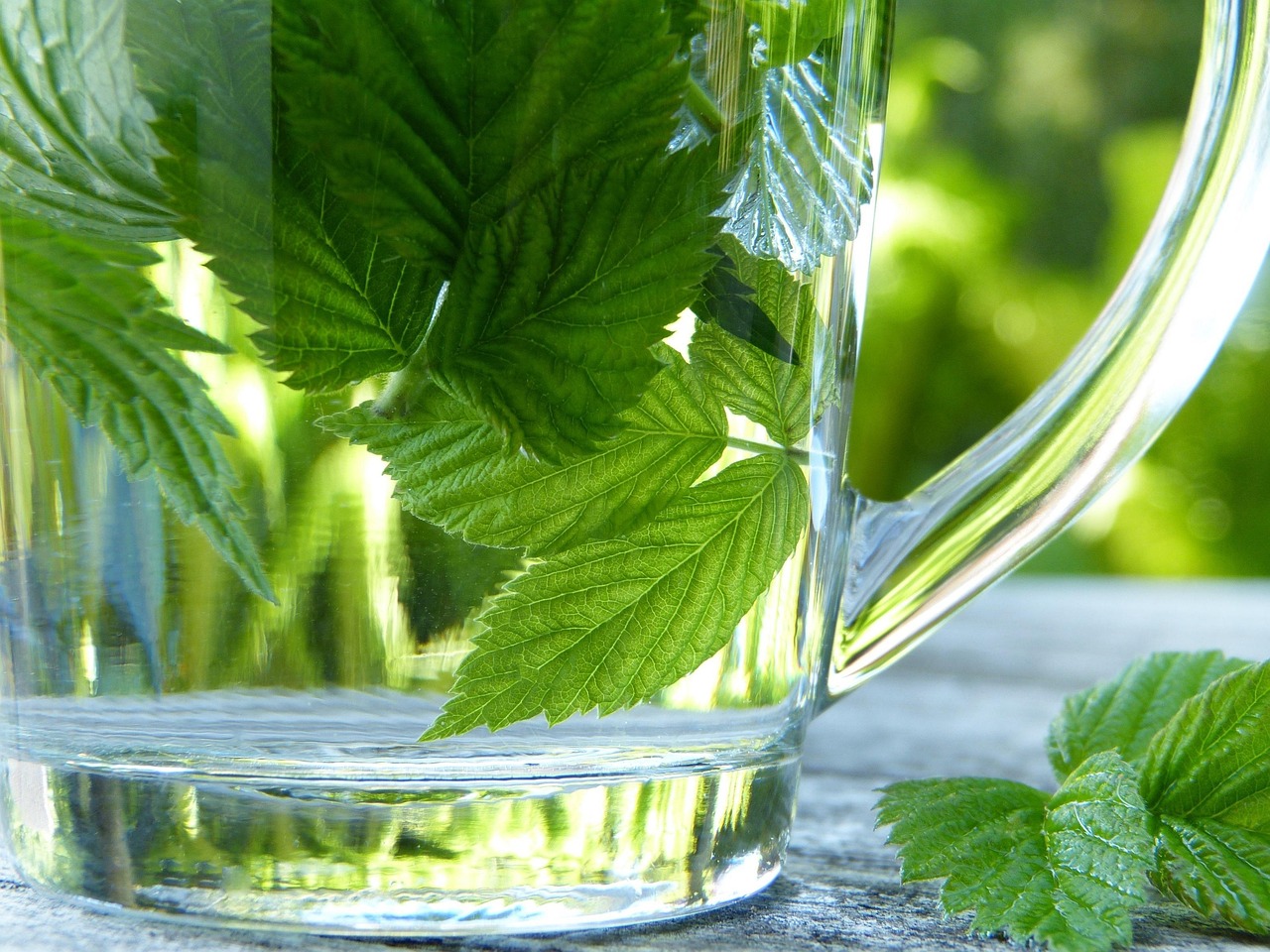

Potential Side Effects and Precautions When Using Herbal Detox Teas
Herbal detox teas are popular choices for those seeking to improve their well-being through natural means. While these teas, made from herbs known for their cleansing properties, can provide potential health benefits, they also come with side effects and precautions that users should consider. Consuming herbal detox teas excessively can lead to adverse reactions, including gastrointestinal issues such as cramps or diarrhea. It is vital to take note of any discomfort after using these products, as not all herbs are suitable for everyone. In addition, some herbal ingredients may interact with medications, decreasing their effectiveness or causing unwanted side effects. Always consult a healthcare provider before starting a detox regimen, especially if you are taking prescription medications or have pre-existing health conditions. Familiarize yourself with the ingredients in the detox tea and their specific effects. Pregnant individuals should exercise extreme caution when consuming detox teas. Certain herbs can be harmful to both mother and child, considering the lack of comprehensive studies on their effects during pregnancy. Therefore, responsible consumption and awareness of ingredients are essential.
Understanding Herbal Ingredients
Understanding the various herbs used in detox teas is crucial for their safe consumption. Common ingredients include dandelion root, nettle leaf, and ginger. Each of these herbs has unique properties, but they can also provoke sensitivities in some individuals. For example, dandelion is often excellent for liver support but may cause allergic reactions in susceptible people. Furthermore, laxative herbs such as senna can lead to dependency if consumed frequently, resulting in the body becoming reliant on external sources for bowel movements. Symptoms of overuse may include persistent abdominal discomfort. A well-balanced diet should typically provide adequate support for detoxification processes. Therefore, it’s essential to adopt a reasonable approach when incorporating these herbal teas into your routine. Some individuals may experience mild side effects, such as mild nausea or headaches, which could be attributed to the detoxifying effects of the tea rather than the herbs themselves. Always start with lower doses to assess your body’s reaction before increasing your intake. Gradually introducing herbal teas allows the body to adapt and gives you the opportunity to monitor for adverse side effects.
Another factor to consider is the preparation of herbal detox teas. Some users may opt for excessive concentrations, thinking this will enhance the benefits. However, over-concentrated brews can be more likely to produce negative reactions. Following recommended steeping times and dosages is essential for safety. When balancing herbal detox, hydration remains incredibly significant. Herbal teas should complement a diet rich in water, fruits, and vegetables surpassing solely relying on herbal infusions. Moreover, individuals with kidney issues or those on a diuretic should consult healthcare professionals, as some herbs could further stress kidney function or interfere with medication effectiveness. It is worth mentioning that detox teas are not a replacement for a healthy lifestyle. Regular exercise and a balanced diet are fundamental to any detoxification process. When paired with numerous unhealthy dietary habits, herbal detox teas cannot yield positive results. Many people mistakenly believe that detox teas alone provide a comprehensive cleansing effect, neglecting the body’s natural abilities. Therefore, one must approach detoxification holistically, maintaining balance and moderating the use of any herbal products.
Possible Allergic Reactions
Potential allergic reactions to specific herbal ingredients should not be overlooked. People with known allergies or sensitivities should read all labels carefully before consumption. Ingredients like chamomile, which belongs to the daisy family, may provoke reactions in those with related allergies. Furthermore, the risk of cross-contamination in manufacturing processes can introduce undesired allergens into products, making it vital for users to select teas from reputable brands. Always do thorough research on product sources and ingredient lists. Reactions can range from mild itching and rashes to severe anaphylaxis in extreme cases. If an individual experiences adverse effects, it is essential to cease use immediately and seek medical attention as necessary. Those who have food allergies or intolerances should also maintain communication with a healthcare provider when introducing new herbal products. Keeping a journal of consumption and reactions can help individuals identify potential allergens. Moreover, be cautious about mixing various herbal teas or supplements without expert guidance, as interactions among different herbs could amplify allergic risks or intensify side effects.
Hydration is a vital component of any detox regimen, including the use of herbal detox teas. While these teas may promote detoxification, they are diuretics and can contribute to dehydration if not balanced with ample water intake. Drinking sufficient water helps to flush out toxins effectively and reduces the risk of negative side effects associated with excessive herbal tea consumption. Monitoring fluid intake is crucial during this process. It can also help to mitigate gastrointestinal side effects that some users may encounter, such as cramping or bloating. Prioritizing hydration not only supports detoxification but also aids overall health and well-being. Including hydrating foods such as cucumbers and watermelon can also support this effort. Furthermore, drinking adequate amounts of water enhances the body’s ability to absorb the benefits of the nutrients found in herbal detox teas. Make it a habit to balance tea consumption with water intake. Everyone experiences their unique effects based on individual body chemistry. Therefore, personal adjustments to herbal teas and overall fluid intake may cater to each person’s needs for optimum health.
Consultation with Healthcare Providers
Consultation with healthcare providers remains essential before starting any herbal detox regimen. This precaution ensures that individuals receive personalized advice based on their health history and current medications. Particularly for individuals with chronic illnesses, those who are pregnant, or those taking prescription medications, seeking guidance is crucial to avoid complications. Healthcare providers can help tailor a detox approach that is both safe and effective while highlighting any potential interactions with medication and underlying conditions. Communicating openly about lifestyle choices, such as diet and exercise, will enable healthcare professionals to provide better recommendations. Having a trusted source of information not only ensures safety but also may enhance the overall effectiveness of the detox process. Relying solely on popular testimonials or online resources can be misleading, especially when not all herbal products are adequately regulated. Lastly, always consider gradual health improvements through lifestyle changes rather than solely relying on detox teas for quick fixes. Effective detoxification means enhancing overall health, not just eliminating toxins but balancing well-being comprehensively.
In conclusion, herbal detox teas can play a role in a wellness-focused lifestyle with diligence and proper knowledge. Understanding the ingredients, potential side effects, and necessary precautions is pivotal to enjoying the benefits while minimizing risks. Users should remain aware of allergic reactions, hydration status, and the significance of consulting healthcare providers. Creating balance instead of dependence on detox teas fosters a healthier approach to detoxification. Individuals should see results that extend beyond temporary cleansing, embracing overall health and wellbeing. Addressing underlying lifestyle issues remains key to achieving a lasting detox effect. Many people are unaware that detoxification can also take place naturally through maintaining a balanced diet, adequate hydration, and fostering a healthy mindset. Therefore, the best approach is to view herbal detox teas as part of a comprehensive health strategy rather than stand-alone solutions. Be sure to continuously evaluate your body’s responses to different ingredients and adjust your usage based on personalized experiences. Overall, approach herbal detox teas with mindfulness, preparing for a journey towards a healthier and enriched lifestyle.
Final Thoughts on Herbal Detox
This reflection serves as a reminder that detoxification should be embraced holistically while prioritizing safety and efficacy. Finding the right path involves understanding the body’s needs and responding to the signals it provides. By monitoring one’s interactions with various herbal teas and ingredients, individuals can fine-tune their detox strategies for optimum health. Balancing herbal detox with regular healthful living practices forms the foundation for sustainable wellness. Avoid falling into the trap of excessive consumption of any herbal product or nutrient. Instead, practice moderation and maintain an openness to continual personal health assessments. As these habits grow, users can develop a deeper awareness and appreciation of their body’s systems, helping them navigate health journeys with competence. Seek support from healthcare professionals as needed while engaging with herbal cleansing products. By fostering a positive relationship with herbal detox teas, individuals can experience enhanced well-being and vitality. Ultimately, the focus should be on building a comprehensive and supportive health framework that encompasses various elements of physical, mental, and emotional health. Approaching herbal detox with respect and responsibility ensures a rewarding wellbeing experience.