
Wearable Tech to Manage Stress and Improve Focus in E-Sports
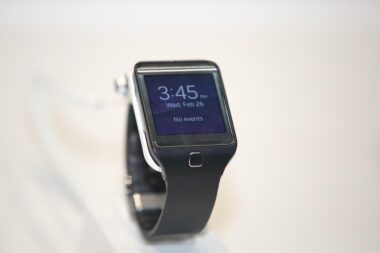
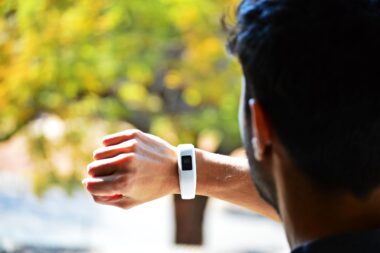
In the realm of e-sports, the need for peak mental performance is paramount. As competitive gaming gains prominence, athletes increasingly rely on technology to optimize their performance. Wearable tech plays a transformative role in enhancing focus and managing stress levels. These devices track various vital signs and parameters, allowing gamers to adjust their routines and habits. For instance, smartwatches and fitness trackers monitor heart rates, sleep patterns, and more. By analyzing this data, e-sports players can identify stress triggers and fatigue signs. Such insights lead to improved health alongside better gaming performance. Stress management combined with enhanced focus ensures that players remain at the top of their game regularly. Moreover, several wearable devices feature built-in meditation guides, breathing exercises, and reminders, further promoting mental clarity. It is essential for aspiring e-sports players to embrace these tools. By incorporating smart technology into their everyday gaming practices, athletes can keep their stress levels in check while maintaining laser focus on their gameplay. This balance is critical for achieving their goals in the competitive e-sports arena, ensuring longevity in this demanding ecosystem.
The Impact of Stress on E-Sports Performance
Stress can significantly affect a player’s ability to perform in e-sports. The pressure of high-stakes competitions often leads to anxiety, impacting focus and decision-making. Such emotional turmoil can result in poor performance and diminished results. For this reason, managing stress effectively is crucial for success. Utilizing wearable tech offers a powerful solution. These innovative gadgets help players recognize when stress levels flare up and provide actionable insights to restore calm. For example, tracking high heart rates can signal when a player is under significant strain. By acknowledging these signals, players have a chance to take necessary breaks and engage in stress-relieving activities. Many wearables feature notifications, encouraging regular hydration, stretching, and mindfulness. Furthermore, stress management is not solely about individual performance. A focused player contributes positively to team dynamics. Enhanced concentration and reduced anxiety levels allow players to communicate effectively and synchronize strategies seamlessly. This collaborative approach amplifies the overall effectiveness of the team. Therefore, incorporating wearable technology dedicated to stress management extends beyond personal wellness, ultimately fostering better team outcomes in the competitive environment of e-sports.
Another critical aspect of e-sports performance is focus. Achieving and maintaining concentration in a gaming session is vital. It’s here that wearable tech excels, providing real-time feedback and helping gamers fine-tune their focus. Numerous devices utilize biometric sensors to gauge mood changes and distraction levels. Players can access metrics related to cognitive performance through intuitive apps linked to the wearables. For instance, visual display features indicate when players start losing focus or when fatigue sets in. Equipped with this data, gamers can proactively adjust their strategies. Some wearables even offer guided focus training sessions to help sharpen mental clarity. These sessions come complete with feedback loops, ensuring participants work on sustaining their peak concentration. Balancing play sessions by utilizing alerts for breaks plays a pivotal role, refreshing the mind. Furthermore, maintaining focus ensures quicker reflexes and strategic gaming decisions when necessary. In a competitive landscape, where milliseconds can define victory or defeat, optimizing mental acuity is essential. By leveraging such advanced technology, e-sports athletes take preemptive measures to bolster their focus, ultimately enhancing overall gameplay.
Sleep is another crucial element that impacts the operational effectiveness of gaming professionals. Wearable devices are groundbreaking in monitoring sleep quality and quantity. Studies indicate that lack of quality sleep can impair cognitive function and reaction time, both critical for high-stakes gaming. By analyzing sleep patterns, e-sports athletes can understand how various factors affect their recovery. Wearables can report data such as sleep stages, disturbances, and total sleep time. By improving sleep hygiene, athletes can ensure they wake up refreshed and ready to face intense competition. Furthermore, wearables remind users about bedtime, encouraging a well-structured routine. Coupled with mindfulness and relaxation techniques provided through apps linked to wearables, e-sports gamers can manage their pre-sleep activities. This proactive management of sleep regimens fosters better concentration and decision-making skills necessary for gaming success. The integration of sleep-promoting practices supported by technology can create a positive feedback loop. Rested players appear more focused, energetic, and strategically sound amidst challenges, fostering a competitive advantage in e-sports. Thus, combining sleep health management through wearables becomes integral to their performance arsenal.
Social interaction is an often-overlooked element influencing e-sports performance. While gaming can be isolating, wearable technology fosters connectivity among players without intruding on focus. Players can utilize chat features, social networking, and even fitness groups to share experiences and tips. These social interactions become essential stress-relievers during intense training programs. Wearable tech can centralize the community experience by allowing players to engage while monitoring well-being metrics. Features such as message prompts can encourage players to connect, share stress management strategies, and support one another. Furthermore, friendly competitions can be organized among peers based on fitness metrics from wearables. These interactions not only promote camaraderie among players but also add an element of fun to the competitive atmosphere. Engaging within a community can significantly alleviate stress levels, enhancing overall performance. Most importantly, these collaborations can ground view—a reminder that players share a collective goal of sustained improvement. Through the lens of wearable technology, players experience a mix of competition and socialization, creating holistic growth as e-sports athletes. This balance can invigorate players and enhance teamwork, leading to better results.
The future of e-sports performance enhancement lies in the continuous evolution of wearable technologies. Developers are integrating artificial intelligence and machine learning into devices, providing an even deeper analysis of player behaviors and performance. For instance, predictive algorithms learn individual stress patterns, making real-time recommendations for stress management. Moreover, gaming interfaces will likely feature seamless integration of wearables, allowing players to visualize mental states as they engage. Continual development ensures that wearables adapt to modern gaming environments while addressing emerging athlete needs. Furthermore, cross-functional collaborations between tech companies and e-sports organizations pave the way for innovative solutions. These partnerships foster the creation of unique features tailor-made for e-sports players. As the industry matures, it will be exciting to witness how these devices evolve, potentially allowing for real-time health adjustments based on in-game performance. Overall, the marriage of gaming and technology will establish new standards for mental and physical performance management. This trajectory leads to enhanced gameplay experiences and ultimately elevates competitive gaming as a professional field, making significant contributions beyond individual accomplishments toward community-wide successes.
In conclusion, the interplay between wearable tech and e-sports presents a promising future for both performance enhancement and stress management. The applications of biometric technology fundamentally change how players approach their craft, emphasizing mental health and focus. By tracking stress levels, sleep quality, and social interactions, e-sports athletes can significantly improve their overall quality of play. As the demand for sustainable performance intensifies, the importance of incorporating technological solutions cannot be overstated. Furthermore, the continual advancements in devices will keep players equipped with the best tools available to maintain peak focus. Teams are also expected to embrace these resources, transforming how they train and communicate both internally and externally. As e-sports continues to gain prominence, understanding the influence of wearables on mental health, performance optimization, and camaraderie will shape the direction of competitive gaming. This innovative landscape encourages players to prioritize their well-being while competing at higher levels. As a result, the future of e-sports will ride on a wave of advanced technology that caters to the mental and physical requirements of gamers universally, marking an era of excellence in sports.
As the industry grows, players and developers must remain vigilant regarding the ethical implications of wearable technology. Privacy concerns surrounding personal data collection and management will require urgent attention. Companies must prioritize transparency, allowing users to understand how their data is utilized and protected. Establishing robust privacy policies is essential for fostering trust among users. Moreover, embedding security features in wearable devices can provide additional layers of protection, ensuring that gamers’ crucial data remains confidential. As technology infiltrates every aspect of e-sports, understanding the potential risks is paramount. Careful regulation of these technologies should take precedence in developing solutions that respect user privacy while advancing performance. Youth gamers, who may be more vulnerable to privacy invasions, deserve special consideration in this landscape. Engaging stakeholders in conversations about ethics in wearable tech can foster a safer environment for gamers. The future of e-sports hinges on ethical considerations that assure both players and developers that growth does not compromise privacy, ensuring a fair playing field. Balancing innovation and responsibility in technology enhances not only performance but also the integrity of the e-sports community.