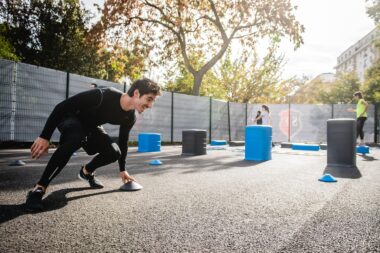

Trends in Outdoor and Adventure-Based Sports Training
Outdoor and adventure-based sports training is rapidly transforming due to evolving interests and technological innovations. Athletes now seek immersive experiences, prioritizing their physical and mental well-being. This shift leads to increased popularity in activities like trail running, rock climbing, and kayaking, which combine fitness with the thrill of adventure. Integrating outdoor elements helps improve stamina and confidence. Additionally, technology is enhancing training through wearables that monitor performance and health metrics. Athletes can track their progress using apps and devices designed specifically for outdoor environments. As social media continues to shape fitness culture, more individuals are sharing their adventure training, which promotes community engagement. This aspect encourages participation and motivates others to embrace outdoor activities. Environmental awareness is another critical factor influencing training trends, as more individuals seek eco-friendly practices. Outdoor fitness events, such as obstacle races, not only challenge participants but also contribute to local charities. Fitness experts emphasize developing specific skills through practical training scenarios in natural settings. The combination of adventure and fitness encourages creativity, adaptability, and resilience in athletes, thus driving the future of sports performance training beyond traditional indoor settings.
As outdoor training gains traction, we see a rise in specialized programs tailored for various skill levels. These training programs cater to beginners and seasoned athletes, ensuring inclusivity. Participants appreciate customized training regimens focusing on skill development and physical conditioning. Moreover, group dynamics play a significant role in fostering motivation and accountability in training. Participants thrive on challenges posed by peers, creating a supportive and engaging environment. Furthermore, many training programs are now incorporating mindfulness and mental conditioning to enhance athletic performance. This holistic approach emphasizes the importance of mental resilience, allowing athletes to face adversity during their outdoor adventures more effectively. Physical performance is thus closely tied to overall mental well-being, promoting a balanced lifestyle. Innovative facilities, such as adventure parks, are emerging to facilitate this demand for outdoor training. These parks often mimic real-world challenges, preparing athletes for competitive scenarios. Alternatively, virtual reality technology is also being explored in sports training, providing athletes with simulated adventure experiences. Ultimately, outdoor and adventure-based training represents an adaptive landscape where individuals can redefine their fitness journeys while forging strong connections with nature and each other.
Innovation in Equipment and Gear
In recent years, there has been an explosion of innovative gear designed specifically for outdoor and adventure sports training. Athletes today look for equipment that is not only functional but also enhances their performance while ensuring safety. Brands are focusing on creating lightweight, durable materials that can withstand the rigors of outdoor activities. Additionally, there’s a growing trend towards sustainable materials, as environmentally-conscious consumers increasingly prefer equipment made from recycled or eco-friendly substances. Wearable technology plays a significant role in this innovation surge, with devices offering real-time data analytics, heart rate monitoring, and GPS tracking. Coupled with advancements in smart clothing, athletes can now receive insights that help them optimize their workouts effectively. Moreover, the availability of compact and portable training tools has enabled practitioners to train anywhere, thereby breaking the barriers of location. Equipment traditionally associated with specific sports is now diversifying, offering cross-training benefits. With immersive gear designed to complement outdoor activities, athletes can improve their technique while also enjoying the experience. This evolution in equipment aligns perfectly with the increased emphasis on functionality and sustainability in the fitness landscape.
The role of personal trainers specializing in outdoor sports is becoming increasingly significant as these training trends evolve. Many athletes are recognizing the value of guidance from professionals who understand the nuances of outdoor training. Personal trainers equipped with knowledge about specific activities, terrain, and weather conditions can offer invaluable strategies to enhance performance. Furthermore, they can design personalized programs tailored to individual goals, paving the way for optimized achievement. Social structures within these training groups foster community, creating an environment where athletes support one another through training challenges. With shared experiences, participants see increased motivation and camaraderie, which boosts morale. Trainers are also focusing on teaching athletes how to adapt their techniques based on varying environmental conditions, ensuring comprehensive preparedness for real-world scenarios. As outdoor sports communities expand, trainers’ expertise will play a crucial role in nurturing talent while instilling essential safety protocols. The guidance provided by dedicated trainers empowers athletes to push their limits, ultimately enhancing their outdoor training experiences. These trainers are adapting to advancements in the industry and refining their approaches, thereby contributing to the rising trends in sports performance training.
The Impact of Virtual Communities
Digital platforms and virtual communities have transformed the landscape of outdoor sports training. They provide athletes with an avenue to connect, share experiences, and access training resources, regardless of their geographical location. Online forums, social media groups, and mobile apps focused on outdoor sports have gained immense popularity. Athletes can now share their training journeys, challenges, and successes, fostering an encouraging and inspiring environment. This connectivity fosters a sense of belonging and motivation, crucial for personal growth. Additionally, virtual platforms have enabled trainers to offer programs remotely, expanding their reach beyond traditional in-person training. Live-streamed classes and video tutorials allow participants to engage in specialized outdoor training courses. This format accommodates various schedules and fitness levels, providing greater accessibility. Furthermore, gamification elements, such as challenges and competitions, stimulate engagement and push participants toward achieving their fitness goals. The community aspect of these platforms encourages accountability, as people often feel more inclined to train when they know others are participating as well. Ultimately, virtual communities are not just supplementary—they are redefining how athletes connect with outdoor sports training, amplifying motivation and camaraderie.
Nutrition and recovery are crucial components of outdoor and adventure sports training that should not be overlooked. Athletes are increasingly recognizing that optimal performance relies heavily on adequate nutrition tailored to the demands of their activities. A well-balanced diet prioritizing whole foods, proteins, healthy fats, and carbohydrates enhances energy levels and recovery times. Many individuals are consulting with nutritionists to develop meal plans designed to support their specific training regimens and outdoor pursuits. When engaging in high-intensity activities, athletes also seek to incorporate hydration strategies to maintain performance and avoid dehydration. Additionally, as athletes become more aware of their bodies, they are prioritizing recovery techniques, such as stretching, yoga, and foam rolling, to alleviate muscle soreness and prevent injuries. Emphasizing a recovery-focused mindset will allow individuals to train consistently without burnout. Moreover, the use of supplements targeting recovery and performance enhancements has become common among outdoor sports enthusiasts. Athletes are also turning to rest days, emphasizing the idea that downtime is essential for long-term progress. Overall, balancing nutrition, hydration, and recovery will play a significant role in enhancing performance and enjoyment in outdoor and adventure sports training.
Outdoor Events and Competitions
The increasing popularity of outdoor events and competitions has significantly influenced training trends in the adventure sports arena. Traditional marathon events are evolving, with participants seeking unique experiences beyond mere distance. Races combining obstacle courses, trail running, and adventure biking are gaining traction, appealing to thrill-seekers and fitness enthusiasts alike. These events often challenge participants physically and mentally, promoting diverse training regimens that encourage athletes to prepare comprehensively. Additionally, community-driven events create strong local connections, fostering camaraderie among participants. Athletes often train in groups in preparation for these competitions, strengthening bonds and motivation. The sense of accomplishment derived from completing such events drives individuals to continually seek improvement and participate in future competitions. Furthermore, local competitions provide a platform for athletes to showcase their skills, paving the way for potential sponsorships or professional opportunities. As the trend grows, training for these events often emphasizes skills specific to various disciplines, enabling athletes to develop diverse competencies. The emphasis on participation over competition encourages a welcoming atmosphere for newcomers to the sport. Outdoor events and competitions will continue to inspire new training methodologies, shaping the future of sports performance training in significant ways.
In conclusion, the trends in outdoor and adventure-based sports training are reshaping how athletes approach their fitness journeys. The convergence of technology, community, and personalized training is driving a new fitness paradigm that prioritizes enjoyment, connection, and holistic development. Athletes today embrace experiences that challenge them physically and mentally, empowering growth and resilience. With a robust emphasis on sustainable practices and environmental consciousness, outdoor training fosters a sense of responsibility toward nature. As more individuals engage in these practices, the community aspect reinforces accountability, motivating participants to push their boundaries together. Incorporating innovative equipment and training techniques can optimize performance while ensuring safety. Furthermore, the rise of virtual platforms has redefined the accessibility of training resources, opening announcements and initiatives to a broader audience. By recognizing the importance of mental well-being through mindfulness and recovery strategies, athletes can nurture a balanced lifestyle that directly correlates with performance outcomes. Overall, outdoor and adventure-inspired training experiences offer promising avenues for personal and collective growth, enabling athletes to immerse themselves in their pursuits while forming lasting connections with their environment and peers.