
The Connection Between Creativity and Stress Relief
Stress is a common challenge faced by many individuals in today’s fast-paced world, impacting physical and mental well-being. Art therapy, a creative process, can be a powerful tool for stress relief. By engaging in artistic activities, individuals can express emotions often difficult to articulate verbally. This creative outlet fosters a sense of control and provides a safe space for processing feelings. Techniques such as drawing, painting, or sculpting encourage mindfulness, as individuals focus on the task at hand, which can lead to a reduction in anxiety levels. The therapeutic nature of art lies in its ability to transform stress into an expressive and liberating experience. Engaging in art while experiencing stress facilitates a unique exploration of personal thoughts and feelings that may arise from life’s challenges. This exploration contributes to self-awareness, thus promoting emotional healing. Furthermore, the enjoyment of creating art serves as a distraction from stressful thoughts, enhancing one’s overall mood. Ultimately, whether through colors, shapes, or textures, art therapy offers individuals a constructive way to cope with life’s demands and much-needed stress management.
Art therapy not only aids in emotional expression but also engages cognitive functions that can enhance mental clarity.
By stimulating different regions of the brain, engaging in creative activities can result in improved problem-solving skills. Art therapy helps individuals reframe their thoughts, contributing to a renewed perspective on their stressors. When people create, they are often prompted to think outside the box, which may make them view their situations differently. The neurobiological effects of engaging in artistic ventures trigger the release of dopamine, the feel-good neurotransmitter that encourages pleasure and motivation. Regular participation in these activities can lead to lasting improvements in mood and overall mental health. Additionally, art therapy can also promote socialization and connection to others, which is vital for managing stress. Group art therapy sessions provide shared experiences that foster relationships among participants. These connections allow for emotional support and sharing coping strategies, creating a sense of community. Engaging with others can significantly reduce feelings of isolation and loneliness often felt with stress. When individuals create art together, there is a sense of camaraderie that can lighten the emotional burden carried. Thus, combining artistic creation with social involvement enhances the stress-relieving impact of art.
The Benefits of Art Therapy
Art therapy provides unique benefits that extend beyond traditional treatments, offering a holistic approach to stress relief. One distinct advantage is its accessibility; individuals can participate regardless of their artistic skills. Whether one is a seasoned artist or a complete novice, the process of creating provides therapeutic benefits. This accessibility allows more people to engage with the process, benefiting from its therapeutic effects. Furthermore, art can be created at any time and virtually anywhere, offering a flexible resource for stress management. Other significant benefits include fostering creativity and enhancing emotional intelligence. The act of creating art prompts individuals to explore their feelings, cultivating a deeper understanding of their emotional landscape. This self-exploration can lead to increased self-esteem and confidence, as individuals discover their unique artistic voice. While engaging in art, individuals often experience flow, a meditative state that contributes to deep relaxation. This state of mind can help counteract the physiological effects of stress, creating a sense of peace. By integrating art therapy into one’s stress management routine, individuals can build a powerful toolkit for coping and personal growth.
The process of art therapy encourages introspection and reflection, which are essential elements for effective stress management.
Self-reflection plays a crucial role in helping individuals identify stress triggers and develop coping mechanisms. Through various art forms, clients can depict their emotions and experiences visually. This powerful representation allows for a narrative shift, enabling them to reframe thoughts constructively. Clients might use their artwork to explore feelings of anger, sadness, or fear, which can promote healing and insight. Art therapy sessions often integrate discussion with visual expression, allowing participants to verbalize their experiences. In doing so, individuals can create a dialogue between their inner emotions and the visual representation, leading to breakthroughs in understanding emotional states. Many find that revisiting their artwork over time offers new perspectives, reinforcing emotional resilience. Moreover, this creative approach nurtures adaptive coping strategies that can be applied to real-life situations. The skills learned through art therapy can transfer to other areas of life, enhancing overall emotional regulation. By regularly engaging in self-exploration through art, individuals can continuously evolve their coping strategies, resulting in improved stress management skills. Ultimately, art therapy empowers individuals to harness their creativity for emotional healing.
Getting Started with Art Therapy
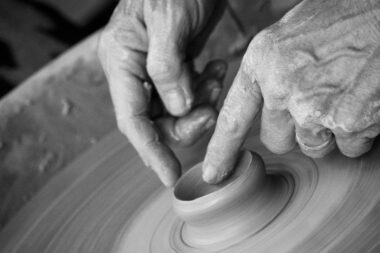
Individuals interested in art therapy may wonder how to get started and what to expect from the process. Art therapy sessions typically begin with an introduction facilitated by a qualified art therapist. It is crucial to establish an environment of safety and trust, where clients feel comfortable expressing themselves. During sessions, various materials may be provided, including paints, pastels, clay, and collage items. The therapist will guide participants through the creative process, keeping the focus on self-exploration rather than artistic skill. Instruction may involve specific prompts or open-ended exploration, allowing individuals to approach the art with freedom. Often, the therapist encourages sharing and discussions about the created artwork, fostering an understanding of feelings associated with the process. For those who prefer self-directed methods, art journaling can serve as an effective tool outside of formal sessions. Setting aside time each week to engage in art allows individuals to reflect on their emotional landscape at their own pace. It is essential to remember that the quality of the artwork is not important, and the key is the act of creation itself.
Incorporating art therapy into a daily routine provides numerous long-term benefits for stress management.